Netanyahu's Coalition Crumbles: How Draft Dodging and War Failures Are Destroying His Government
Prime Minister fails to defeat Hamas or Hezbollah as promised • Haredi draft exemption splits coalition partners Smotrich and Ben-Gvir | Bennett and Lapid position themselves to exploit the chaos

Prime Minister Benjamin Netanyahu's coalition government is facing an existential crisis as the twin failures of military strategy and domestic policy converge into a perfect political storm. The Prime Minister who vowed to decisively defeat Hamas and Hezbollah has achieved neither objective, while soldiers continue to fall in a protracted conflict that has exposed deep fissures within his governing alliance.
What remains of Netanyahu's political capital, according to senior political analysts, is largely rooted in sociological animosity from the right toward former Prime Minister Naftali Bennett, coupled with increasingly hollow claims about Bennett's own record. Yet this foundation is crumbling as the reality of an unresolved war and mounting casualties creates profound discomfort even among Netanyahu's most loyal coalition partners.
The Haredi Draft Crisis Splits the Coalition
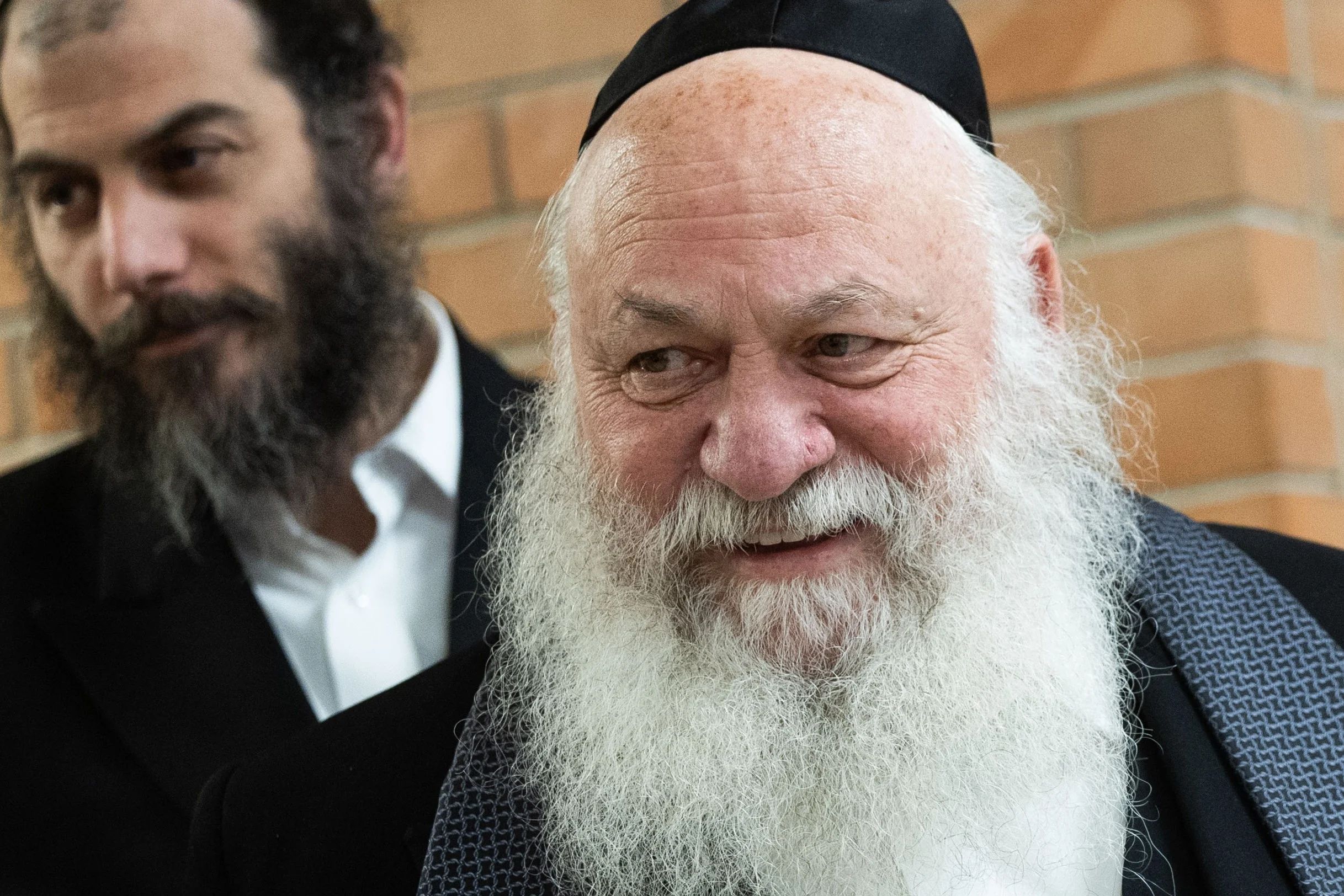
The immediate catalyst for the coalition's internal turmoil centers on the contentious issue of Haredi military service exemptions.
The dispute has exposed the fundamental contradiction at the heart of Netanyahu's coalition: how can a government claim to represent classical Zionist ideals while advancing political deals that exempt entire communities from shared national sacrifice?
The crisis escalated dramatically after it became apparent that Netanyahu was maneuvering to accommodate Haredi parties on the draft issue, prompting sharp reactions from his nationalist coalition partners. Senior United Torah Judaism officials have even suggested openness to future coalitions with Bennett or Avigdor Liberman, a remarkable statement that underscores the fluidity of political alignments as elections approach.

Bennett and Lapid Seize the Opportunity
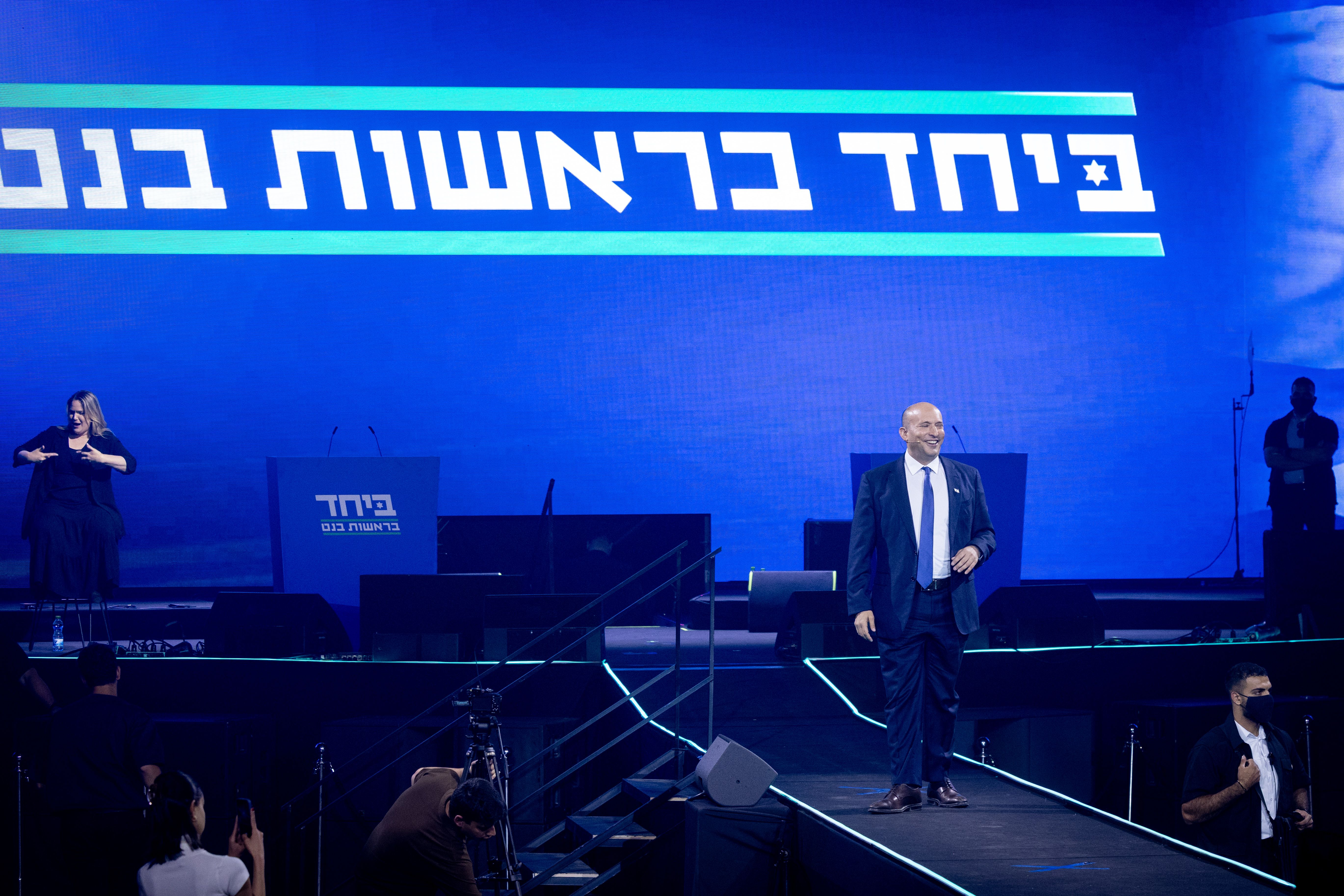
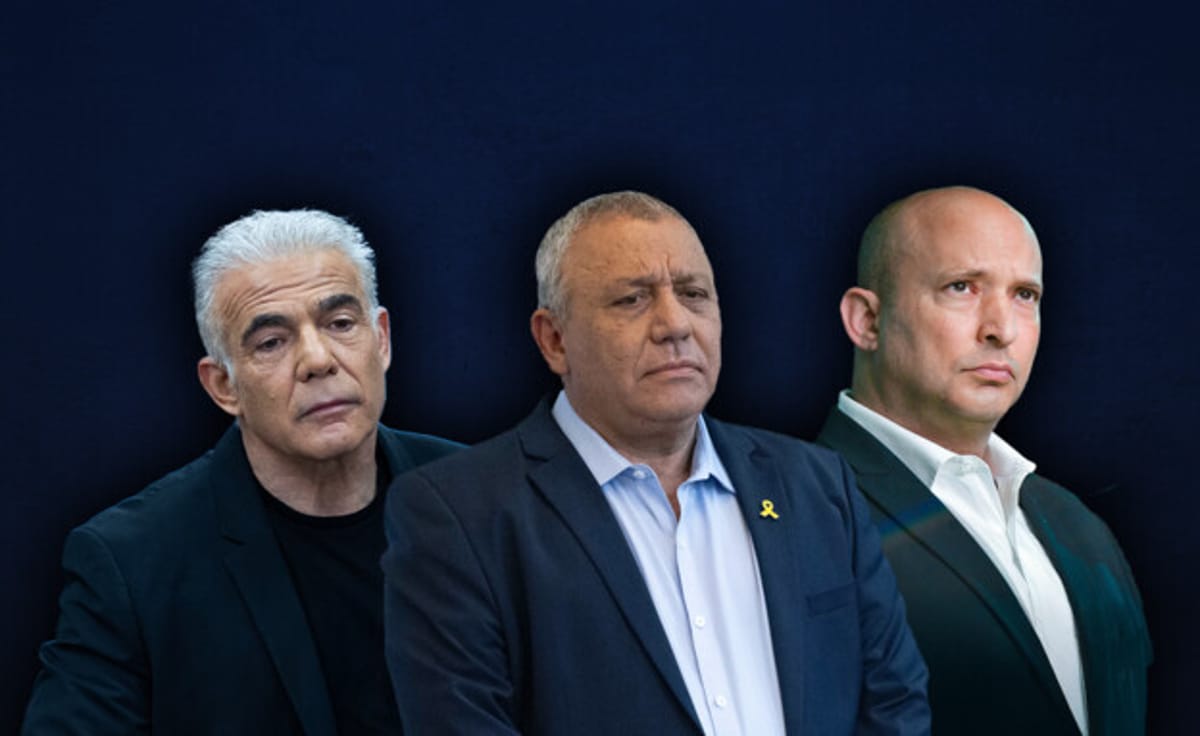
Former Prime Minister Naftali Bennett and Opposition Leader Yair Lapid are strategically positioning themselves to capitalize on Netanyahu's vulnerabilities. Their newly formed Together alliance has launched an aggressive campaign targeting disillusioned Likud voters, with billboards in traditional Likud strongholds proclaiming: "A real Likudnik votes Bennett."
What distinguishes Bennett and Lapid's current strategy is their framing of the draft exemption issue not as a left-wing or secular concern, but as a fundamental question of national unity during wartime. By highlighting how Netanyahu's prolonged military campaign has placed the burden exclusively on certain segments of Israeli society, they are attempting to redefine the political conversation beyond traditional ideological lines.

The Military Stalemate Undermines Political Authority
Netanyahu's inability to achieve decisive military victories against Hamas in Gaza or Hezbollah in Lebanon has fundamentally weakened his position. The Prime Minister who built his reputation on security credentials now presides over a conflict with no clear resolution, while Israeli soldiers continue to pay the ultimate price. This military stalemate has created what political observers describe as a profound sense of unease throughout the coalition.
The combination of Netanyahu's hesitation to pursue decisive military action and his dependence on a politically untenable coalition appears increasingly unsustainable. His fear of making the hard choices necessary to conclude the war, coupled with the need to maintain support from coalition partners with fundamentally incompatible demands, has created a paralysis that many believe will ultimately lead to his government's collapse in the upcoming elections.

Recent polling data suggests the political landscape is shifting dramatically. A KAN 11 survey indicated that if elections were held today, Likud would secure 26 seats while the Bennett-Lapid alliance would capture 25, positioning Together as the only party currently capable of challenging Likud's dominance. The addition of former IDF Chief of Staff Gadi Eisenkot to the alliance could potentially tip the balance entirely.
As Netanyahu confronts mounting pressure from multiple directions, military failures, coalition infighting, and a resurgent opposition, the question facing Israeli voters is no longer whether his government will fall, but when. The Prime Minister who once seemed politically invincible now finds himself trapped between impossible choices, with no clear path forward that preserves both his coalition and his credibility.