The Iranian regime has dramatically escalated its public threats to a state of near hysteria, warning that any American military intervention will trigger an immediate expansion of the war far beyond traditional regional borders. Behind the aggressive propaganda, military analysts have identified an extensive, actionable checklist of strategic options designed to inflict maximum economic and logistical damage on Western forces and their regional allies. Throughout the prolonged diplomatic pause, the Islamic Revolutionary Guard Corps has worked continuously to rebuild its depleted missile stockpiles using massive shipments of raw materials secured from Russia and China.
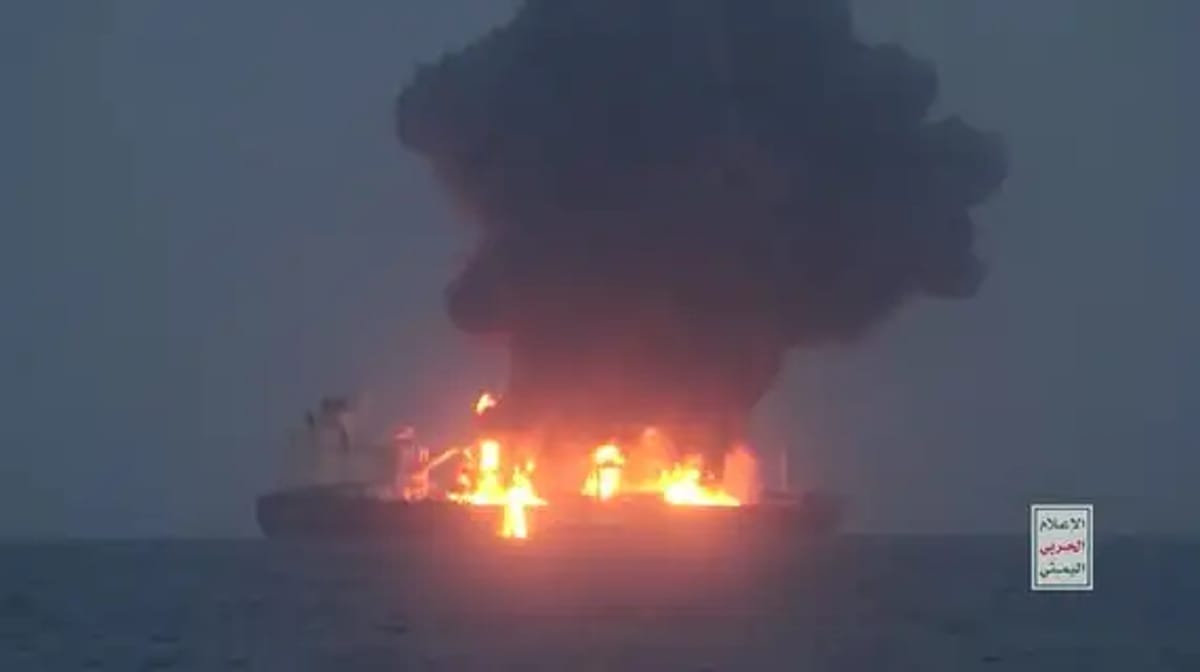
The primary operational option in Tehran's playbook involves the total closure of the Bab el-Mandeb Strait in the Red Sea, utilizing local proxy forces to shut down international commercial shipping entirely. This maneuver would instantly sever the fastest maritime transit route connecting the Mediterranean Sea to the Indian Ocean, compounding the global economic damage already caused by the blockage of the Strait of Hormuz. Because the proxy forces operate under separate local commands, Tehran can execute this blockade at an exceptionally low political cost, knowing that Western navies cannot easily clear the shallow shipping channels by force alone.
Alternatively, the regime is prepared to launch high intensity ballistic missile and drone salvos against major American and NATO military installations located inside foreign territories. Primary targets include the Incirlik Air Base in Turkey, a massive logistics hub for Western air operations, alongside naval facilities in Crete and radar warning installations in Malatya. While previous strikes against these coordinates were intentionally limited to avoid a direct diplomatic crisis with neighboring states, command networks are now prepared to launch unconstrained bombardments to completely disrupt Western air superiority.
The most catastrophic element of the updated strategy involves a premeditated campaign against vital civilian infrastructure, a threshold that Tehran has never crossed in previous regional wars. Target lists acquired by intelligence agencies reveal specific coordinates for the Barakah nuclear power plant in the United Arab Emirates, alongside major electrical grids throughout Saudi Arabia and Kuwait. A concentrated missile strike could successfully plunge large swaths of the Arabian Peninsula into total darkness within forty eight hours, crippling local industrial capabilities and forcing a complete halt to regional oil production.
Even more critical are the detailed plans targeting massive desalination facilities along the Gulf coast, which provide the absolute majority of fresh drinking water for over eleven million residents. A sustained bombardment of these specific utility hubs would trigger an unprecedented humanitarian crisis within the advanced Gulf economies, while concurrent operations would deploy specialized maritime teams to cut the extensive network of underwater fiber optic cables running along the seabed. While this total infrastructure warfare would cost Iran trillions of dollars in eventual retaliation against its own fragile energy sector, intelligence indicators suggest the regime is entirely willing to absorb the damage to ensure its geopolitical survival.