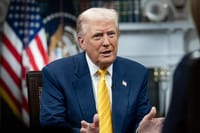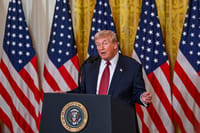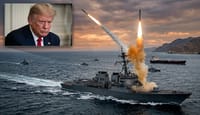
The recent announcement by United States President Donald Trump regarding the last minute postponement of a major military assault against Iran has not removed the immediate threat of a renewed regional war. While the tactical pause was implemented at the direct request of prominent Persian Gulf allies, intelligence analysts argue that the gesture actually underscores how close the international coalition is to an all out military campaign. The American president's frequent and occasionally contradictory public pronouncements reveal a highly complex dilemma, driven by his inability to secure a comprehensive nuclear agreement or guarantee the freedom of maritime navigation after forty days of unprecedented military pressure.
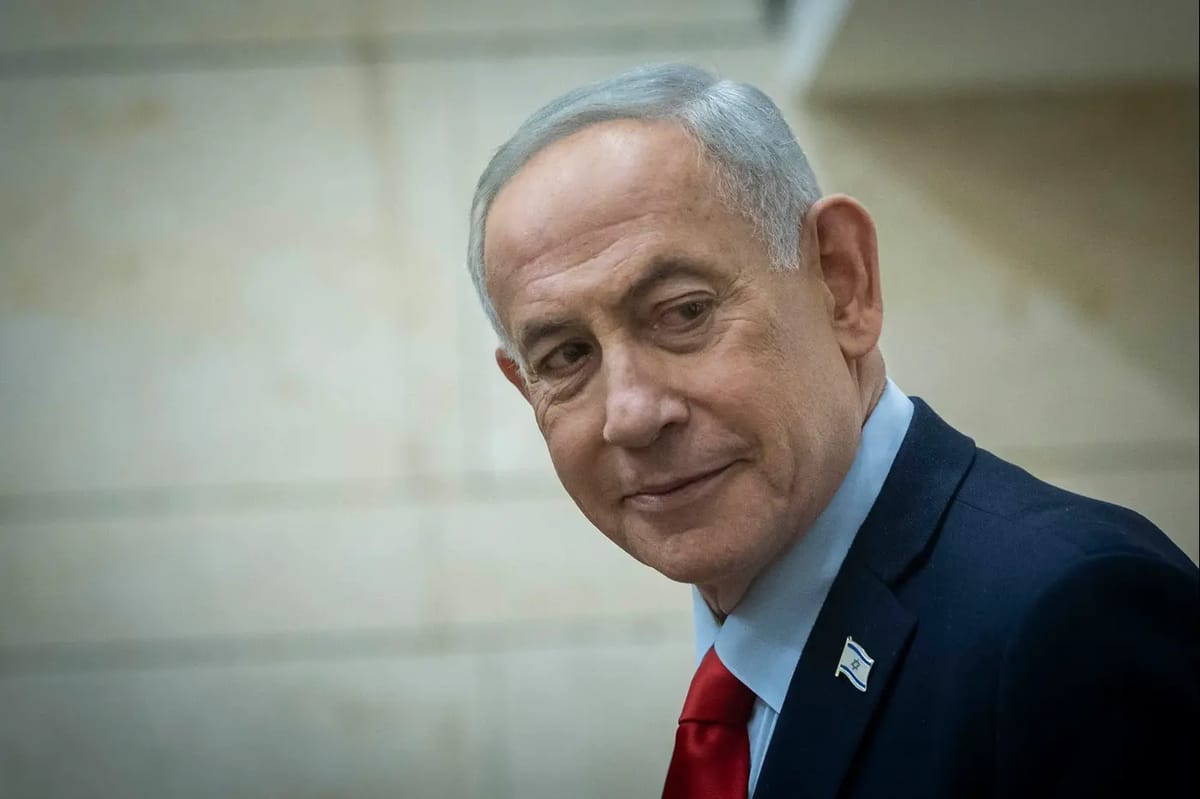
Faced with a complete deadlock in diplomatic negotiations, the American administration is actively debating several strategic pathways, each of which presents severe consequences for global stability. The first option involves accepting a highly problematic compromise that fails to permanently neutralize the atomic threat, leaving enriched uranium stockpiles inside the country without intrusive international oversight. Such a development would allow the regime to recover from recent military blows, fracturing long term regional normalization efforts and presenting an unacceptable existential security risk to Israel.
Alternatively, Washington could choose to maintain the ongoing maritime blockade on regional ports, a policy that has already severely crippled the target economy. However, historical precedents suggest that the regime is entirely willing to sacrifice the economic welfare of its domestic population to sustain its geopolitical leverage. Concurrently, global oil reserves continue to deplete rapidly due to the ongoing disruption of twenty million barrels of crude oil that typically pass through the chokepoint daily, creating an unstable environment that could severely disrupt international financial markets ahead of the upcoming mid term elections.
The third and fourth options involve utilizing direct military force to break the maritime siege or launching a high intensity targeted campaign against critical energy and electrical infrastructure. While military commanders have already briefed the administration on a short, powerful campaign designed to shock the regime's defensive calculations, the risk of a massive counter escalation remains extraordinarily high. Regional adversaries retain the capability to launch retaliatory strikes against infrastructure hubs throughout neighboring Gulf states, a scenario that would instantly cause fuel prices to skyrocket at domestic pumping stations.
The final alternative involves an abrupt declaration of military victory followed by a complete withdrawal of American forces from the strategic strait. While some domestic commentators view this as the least costly option for Washington, the long term strategic price would be catastrophic, granting the regime permanent control over vital maritime arteries and setting a dangerous precedent for international shipping lanes worldwide. As the upcoming global soccer tournament in the United States approaches, the administration may ultimately choose to extend the current blockade in the hope that international pressure, particularly from major Asian trade partners, can force a diplomatic breakthrough before a total fuel crisis erupts.