
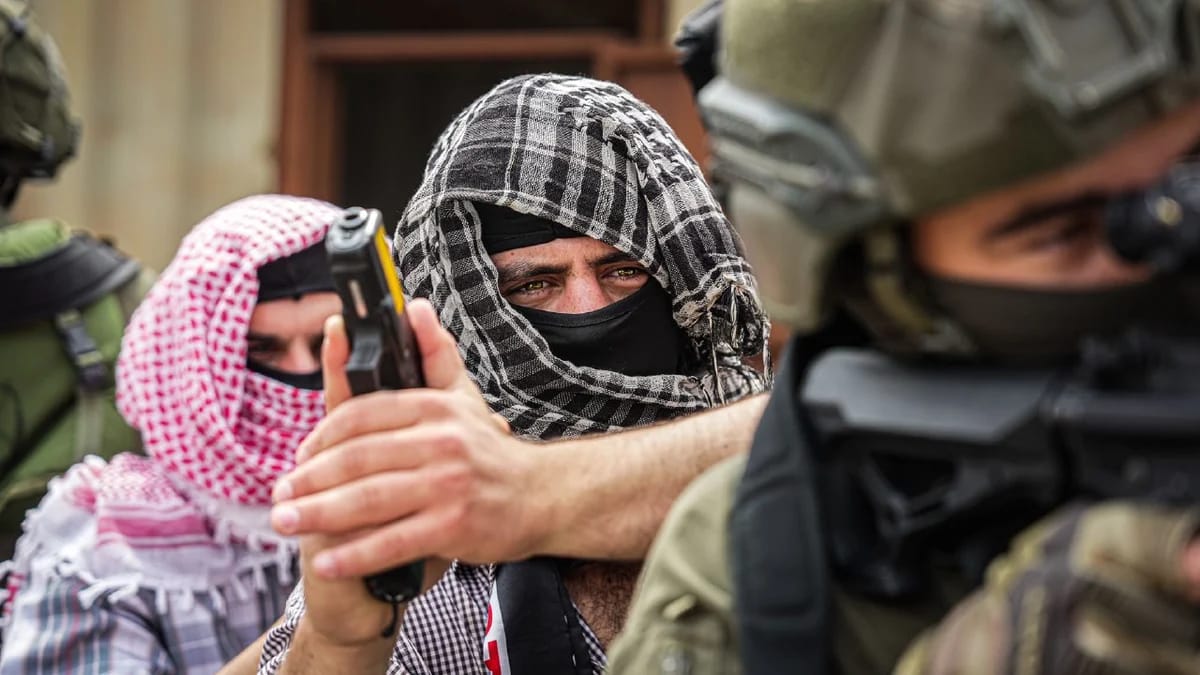
The olive harvest across Judea and Samaria has quietly turned into a new front. What used to be a season of routine and livelihood is now marked by repeated attacks, rising fear and a shrinking sense of deterrence among security forces. In recent days local authorities recorded more than fifteen violent incidents tied to the harvest. Most of those events involved confrontations between Jews and Arabs.
Senior officers in the central military command say the number of available troops is not enough to guard every harvest site. Even after the ceasefire in Gaza calm has not brought relief here. The army and police are trying to focus resources on the highest risk zones but the territory is large and the incidents are spreading.
Military and intelligence sources are warning that the current wave of violence could ignite a broader escalation. Small attacks and provocations can quickly accumulate into a cycle of revenge. Multiple briefings have flagged specific flashpoints where tensions are high and the risk of a wider conflagration is real.
For the security forces the situation is an awkward test of control. Soldiers, border police and civil administration units conduct targeted patrols and escorts. Still commanders admit there are simply not enough forces to ensure full protection at every grove and every checkpoint.
The official statement from the army emphasizes continuous operations throughout Judea and Samaria and a coordinated effort to allow the harvest to proceed. Yet the reality on the ground is fragile. Farmers often arrive at orchards with escorts. Tension is visible on ridgelines where soldiers, settlers and villagers watch each other warily.
This is not a conventional war with artillery and air strikes. It is a slow moving conflict that unfolds in towns and orchards, in the spaces where civilian life and political claims collide. That makes it harder to stop. Incidents that begin as local clashes can escalate into broader unrest that will require expensive and risky military responses.
For now the warning signs are unmistakable. Violence over the olive harvest is a symptom of a deeper breakdown in order. The next major confrontation may not begin with a dramatic attack from afar. It may already be taking shape quietly in groves and villages across Judea and Samaria.