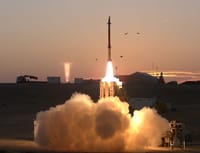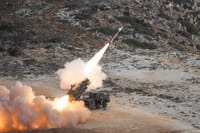
Tensions between the United States and Iran surged again Tuesday after U.S. forces carried out strikes in southern Iran near the Strait of Hormuz, even as diplomatic efforts continued to secure a broader agreement to end the conflict.
U.S. officials said the strikes targeted Iranian missile sites and boats allegedly attempting to place mines near the strategic waterway. Washington described the operation as defensive, while Iran condemned the attack as a violation of the fragile ceasefire and warned that it would respond.
Secretary of State Marco Rubio said the strait of Hormuz “has to be open, one way or the other,” while talks continue over a possible arrangement that would reopen shipping lanes and extend the ceasefire.
Iran’s Foreign Ministry accused the United States of acting in “bad faith,” but Tehran has not withdrawn from the negotiations. According to reports, talks mediated by Qatar and Pakistan are focused on reopening Hormuz, releasing frozen Iranian funds, and creating a temporary negotiation window for broader issues, including sanctions and Iran’s nuclear program.
The proposed framework reportedly includes a halt to hostilities, reopening the strait, financial relief for Tehran, and further negotiations over nuclear and regional security questions. However, major gaps remain, including whether Iran will accept limits on enrichment and what sanctions relief Washington is prepared to offer.
CENTCOM also pushed back on reports that the U.S. Navy had formally restarted “Project Freedom,” an escort mission for commercial ships through Hormuz. According to updated reporting, U.S. forces are communicating with vessels in the area, but CENTCOM denied that dedicated escorts have officially resumed.
Iranian forces also claimed they engaged U.S. aircraft and shot down an American drone, though the full details remain contested. U.S. officials have maintained that their strikes were limited and intended to prevent further threats to American forces and international shipping.
The escalation comes as the wider region continues to deteriorate. In Lebanon, Israel has intensified operations against Hezbollah, while Hezbollah attacks on northern Israel have continued. The collapse of the Lebanon front has added pressure to the already fragile U.S.-Iran talks.
For now, both sides appear to be fighting and negotiating at the same time. Washington is signaling that Hormuz must reopen by diplomacy or force, while Tehran is trying to preserve leverage without fully collapsing the talks.
The result is a dangerous diplomatic race: a deal may still be possible, but every strike, drone incident, and shipping disruption raises the risk that the war expands before negotiators can lock in an agreement.