Get our mobile app
Download on the App StoreGet it on Google Play

After the midterms

US Warns Gulf of Post-Midterm Iran Strikes

Washington has warned several Gulf Arab governments to brace for a brief but powerful military operation against Iran after next week's midterm elections, as the Pentagon moves a Patriot air-defense battery out of Texas.

US Tells Gulf States to Prepare for Short, Intense Iran Campaign

US officials have warned several Gulf Arab governments to get ready for a "short, intense" military campaign against Iran once Americans vote in next week's midterm elections, the Wall Street Journal reported, citing people briefed on the conversations. As part of the buildup, the Pentagon is relocating a Patriot air-defense battery from Texas.

Reports differ on where the battery is going. The Algemeiner and Matzav reported that it is bound for Israel. Ynet described its destination as the region. Israel has also prepared prospective targets.

Regional governments are planning for a US operation that could last several days, AP reported. AP said officials fear Iranian retaliation against energy infrastructure could grow into a much wider and longer war.

The warnings went out through diplomatic and military channels. President Donald Trump has not made a final decision. He is leaning toward a major strike on Iranian infrastructure and nuclear facilities after the November 3 vote.

Ynet's account of the report also listed other moves. Troops have been pulled from bases seen as vulnerable to attack, forces in the region have restocked ammunition, and bombers and fighter jets are being prepared. An additional aircraft-carrier strike group and a Marine expeditionary unit are expected next month. They would reinforce roughly 20 US warships already in the Middle East, though some of the arriving vessels could replace ships already deployed rather than add to their number.
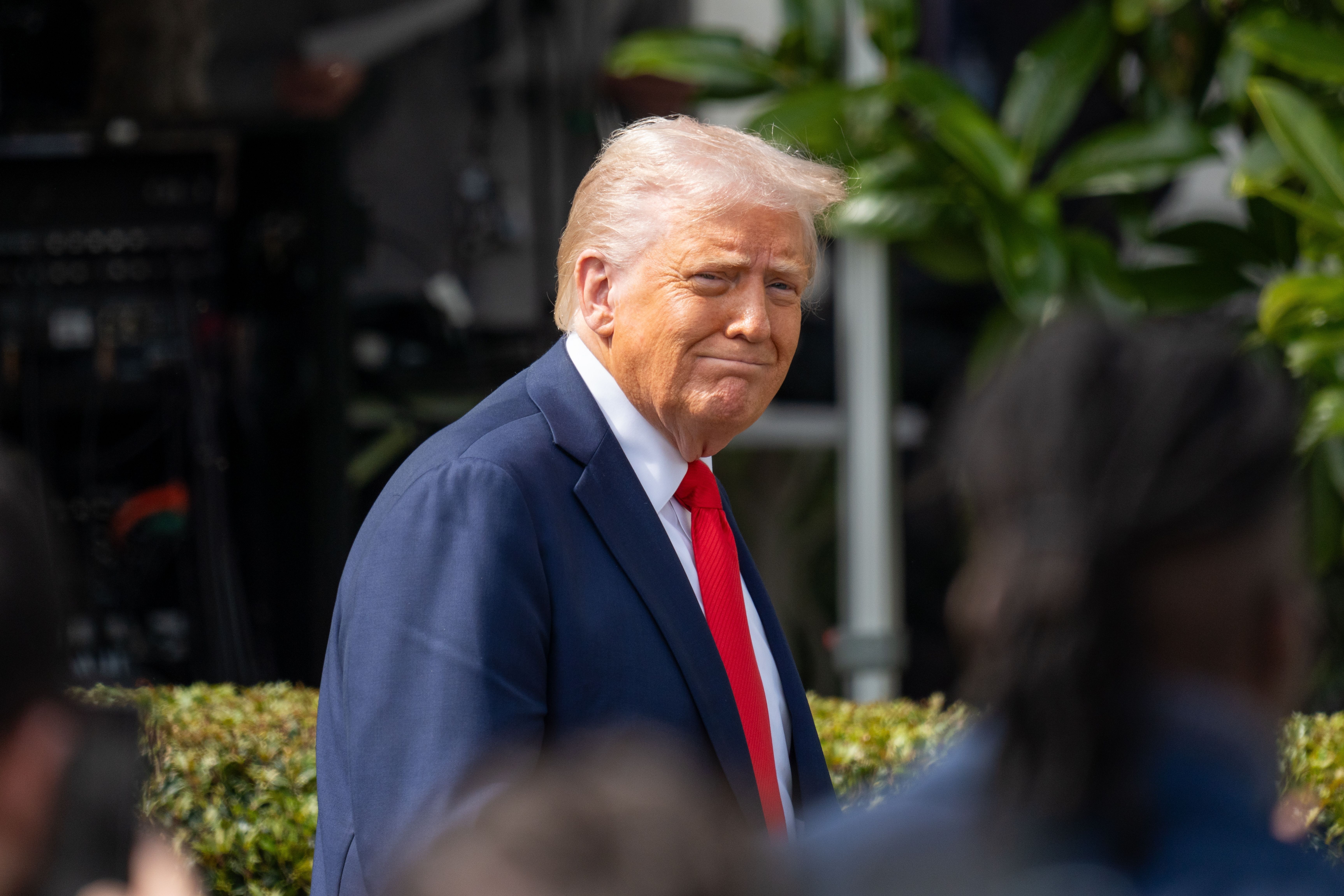

The White House would not discuss "sensitive military plans that may or may not exist." Its statement said: "President Trump keeps all options on the table to ensure that Iran can never have a nuclear weapon."

Trump declined to rule out new strikes. At Joint Base Andrews on Wednesday, a reporter asked whether more strikes would come after the midterms. "I can't tell you that … but anything's possible," he replied. He accused Tehran of stalling the talks and suggested that Iran's leadership may be holding out until after the vote. He told a crowd in Texas on Tuesday: "You'll see Iran in a couple of weeks."

At another rally last week, Trump referred back to the earlier joint American-Israeli air campaign: "We may do another little Epic Fury. Or they'll agree."

Trump
Trump (Shutterstock)

Diplomacy is continuing alongside the military preparations. Reuters reported that Qatari mediators gave Iranian officials a seven-day framework on Sunday. It sets out a week of reciprocal "confidence-building" steps, with several countries acting as guarantors. A senior Iranian official involved in the talks called it "unacceptable ideas and not an offer" and said Tehran would make no concessions on its nuclear program.

Washington wants the nuclear issue on the table from the start. Tehran's preconditions are an end to the US blockade of its ports and the lifting of limits on its oil exports. As JFeed reported on October 28, Iran is pushing to shorten the framework from seven days to four, and mediators are asking Tehran about holding a meeting in Turkey before November 4. Read more on the four-day framework and the proposed Turkey meeting.

Netanyahu led his election-night speech to supporters after Tuesday's vote with Iran.

"We have brought the Iranian regime to the brink of collapse. And yet I tell you, this is still not over. We have the power, together with our wonderful friend President Trump, to remove this threat once and for all."

Brandon Friedman, who heads research at the Moshe Dayan Center at Tel Aviv University, said Washington and Tehran are both "using force to bargain for a better deal." He warned that the military threats should still be taken seriously. Gulf governments, he said, mainly want to avoid "more missiles and drones raining down on their citizens and cities, on their ships and ports, on their pipelines and refineries."

Tehran has threatened to widen any fight. Iranian Foreign Minister Abbas Araghchi said on Wednesday that an Israeli-instigated operation would have a "devastating impact" on global markets. Time magazine reported that Iranian commanders have discussed striking first if they conclude an American or Israeli offensive is imminent.

The war, which the US and Israel launched on February 28, has cost Washington more than $47 billion so far, according to Pentagon figures obtained by Reuters.

Rafael Grossi, head of the International Atomic Energy Agency, told the UN Security Council on Tuesday that inspectors have seen no rebuilding at Iranian nuclear sites hit in the 2025 and 2026 strikes. He added that they still cannot access and confirm the status of Iran's nuclear material. That includes a previously reported 440.9 kilograms of uranium enriched to 60 percent.

These warnings follow earlier steps. On October 22, the US withdrew troops from bases in Jordan, Qatar and Kuwait. On October 18, US missions across the region, including the embassy in Jerusalem, urged American citizens to remain highly vigilant and to prepare for flight cancellations and airspace closures.

Ready for more?

Join our newsletter to receive updates on new articles and exclusive content.

We respect your privacy and will never share your information.

Enjoyed this article?

Yes
No
Follow Us:

Unmissable content


Loading comments...

Also of Interest