So, Why the Swings?
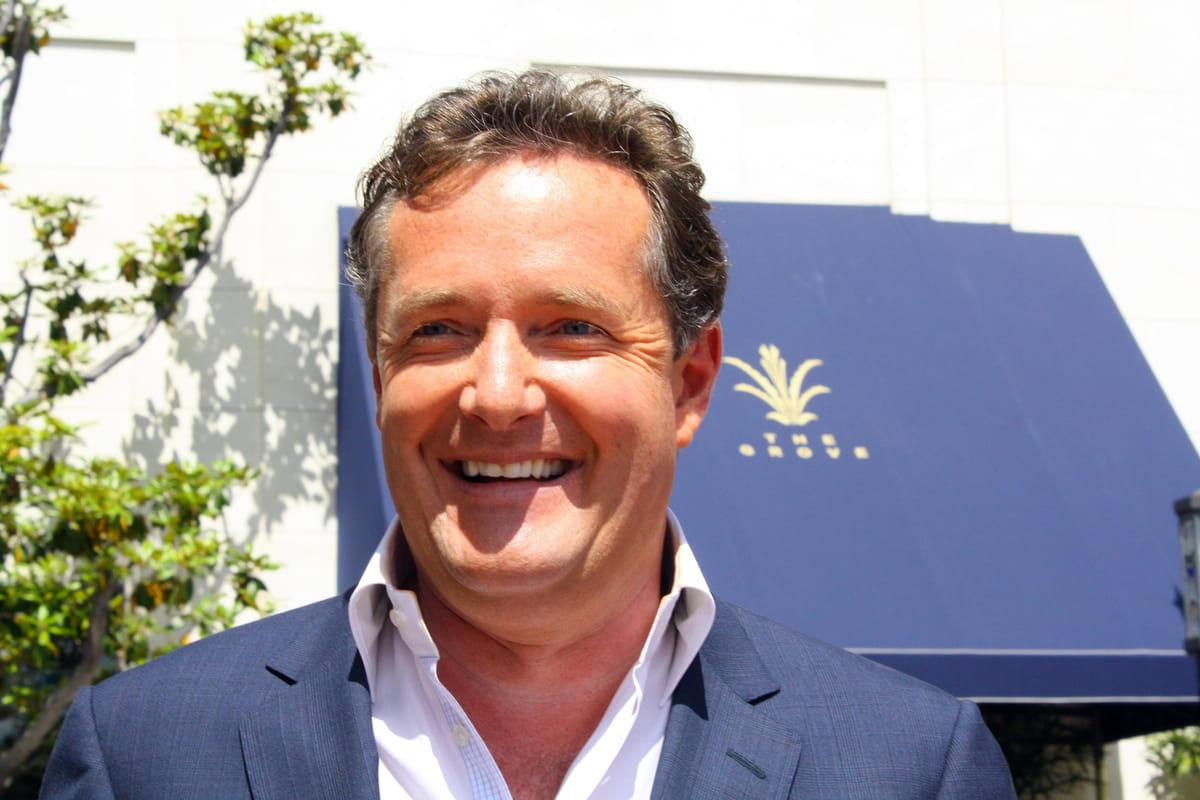
1. Showman’s Instinct: Morgan thrives on controversy. His Piers Morgan Uncensored YouTube channel, with 2.3 million subscribers, lives off viral clashes. He’s admitted to prioritizing “big interviews and debates” that draw millions, like his Trump and Kanye West spats.
2. Taking both sides, defending Israel’s security while slamming its excesses, keeps him relevant to polarized audiences. Critics call it opportunism; he’d likely call it “sparking debate.”
3. Selective Moral Outrage: Morgan’s criticism spikes when Gaza’s civilian toll hits global headlines, like Rafah’s “horrific” scenes or communication blackouts. But he’s less vocal when Hamas’s actions, like hostage-taking or rocket fire, dominate. His May 2025 posts focus on Gaza’s kids and women, decrying “relentless ‘collateral’ civilian death,” but he rarely matches this fervor when Israeli civilians suffer. This imbalance frustrates pro-Israel voices, who see him as inconsistent, while pro-Palestinian critics argue he’s still too soft on Israel.
3. Guest-Driven Dynamics: His interviews shape his tone. Pro-Palestinian guests like Bassem Youssef and Cornel West have pushed him into tense exchanges, forcing him to confront Gaza’s humanitarian crisis. Youssef’s 2023 satire on Islamophobia visibly rattled him, and West accused him of racism for not focusing enough on Palestinian deaths. Meanwhile, Israeli officials like Hyman get grilled on civilian casualties but often face less pushback on broader policy. Morgan’s approach, giving airtime to all but skewing questions, creates a perception of flip-flopping.
4. Geopolitical Pulse: Morgan’s shifts often align with global sentiment. When international figures like Pope Francis or ex-UK Defense Secretary Ben Wallace called Israel’s tactics “terrorism” or a “killing rage” in 2023, Morgan amplified these critiques. Trump’s 2025 Middle East visit, promising “good things” for Gaza, may have nudged him to lean critical, sensing a diplomatic shift. Yet, he’s quick to pivot back to Israel’s defense when terror attacks resurface.
The Criticism: Not Neutral, Not Consistent
Critics on both sides see through the theatrics.
Pro-Palestinian outlets like Middle East Eye argue Morgan’s pro-Israel bias shows in his guest choices, favoring Israeli politicians over scholars or human rights groups like Amnesty International, and his failure to challenge unsubstantiated claims. They note he humanizes Israeli suffering more vividly than Palestinian losses.
Pro-Israel voices, meanwhile, slam his “horrific” outbursts as betrayals, with Israeli officials pushing back on his Rafah comments as mischaracterizing “precision” strikes.