In the whirlwind of Middle East diplomacy, where deals often crumble under the weight of entrenched rivalries and political posturing, one name has emerged as an unlikely hero: Jared Kushner.
Yes, the same Jared Kushner who was once dismissed by critics as a novice real estate heir thrust into the high-stakes world of international relations during his father-in-law's first term. But as the dust settles on the historic Israel-Hamas ceasefire agreement announced this week, it's clear that Kushner isn't just back, he's the architect who got it over the finish line. In a region starved for progress, he's the man we never knew we needed.
Let's rewind. When President Donald Trump tapped Kushner and Special Envoy Steve Witkoff to spearhead the renewed push for a Gaza truce, skeptics rolled their eyes. After all, the Israel-Hamas conflict has simmered and exploded for decades, defying the efforts of seasoned diplomats.
The October 7, 2023, attacks by Hamas, which claimed over 1,200 Israeli lives and sparked a devastating war, seemed to bury any hope for peace under rubble and rhetoric. Yet, here we are in October 2025, with a phased ceasefire taking hold: hostages released, aid flowing into Gaza, and a fragile calm descending on the border. And at the heart of it? Kushner's quiet, relentless negotiation style that bridged gaps where others saw chasms.
What makes Kushner's role so remarkable is his evolution from punchline to peacemaker. During Trump's first administration, he was the driving force behind the Abraham Accords, normalizing relations between Israel and several Arab states, a breakthrough that redrew the map of regional alliances without a single shot fired.
Detractors called it superficial, but those pacts have held firm, even amid the Gaza turmoil, proving their staying power.
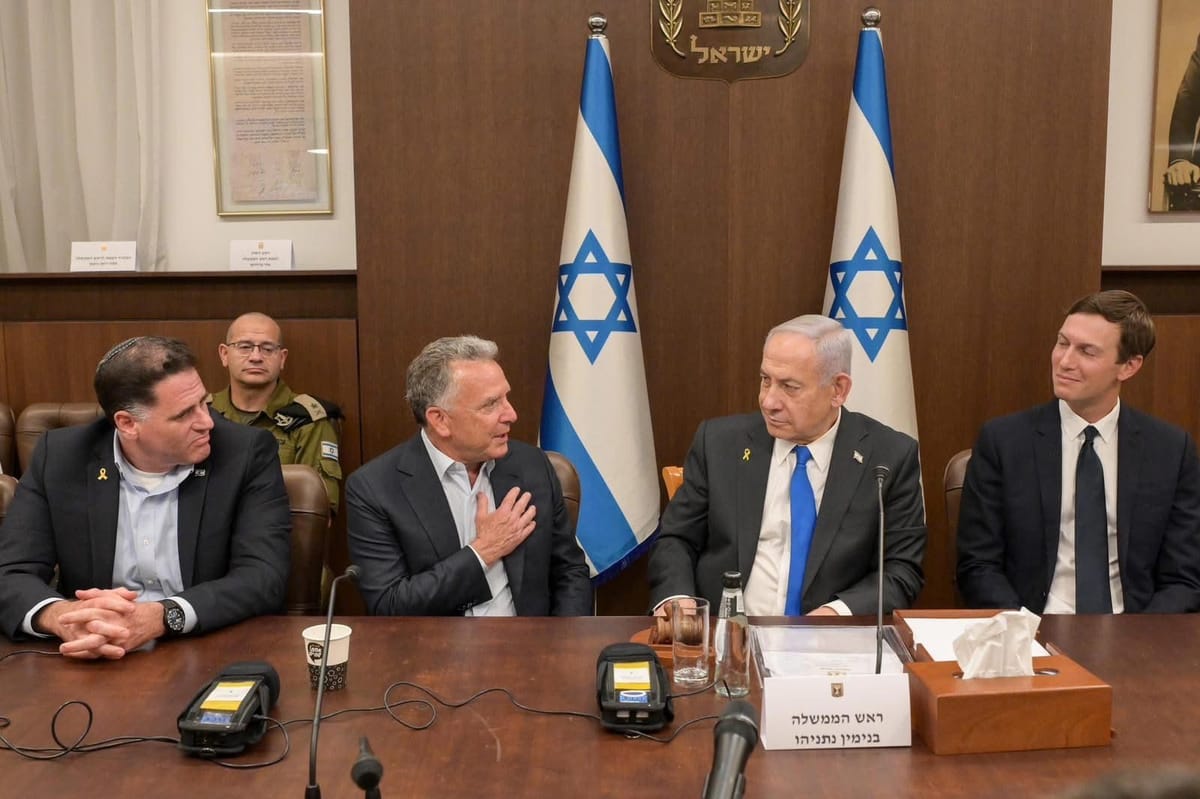
Now, with the Hamas deal, Kushner has applied the same playbook: leveraging personal relationships, economic incentives, and a no-nonsense approach to cut through the noise. Reports from the talks reveal how he and Witkoff dictated final compromises, advising Israeli Prime Minister Benjamin Netanyahu on key concessions while pressuring Hamas through backchannels in Egypt and Qatar. It's diplomacy with a business edge, treating peace like a high-stakes real estate closing, where everyone walks away with something.
Of course, this isn't to say the path was smooth. Kushner faced backlash for his perceived inexperience and family ties, not to mention the complexities of dealing with a terrorist group like Hamas. But his detractors miss the point: in a world where traditional State Department bureaucrats have failed repeatedly, Kushner's outsider perspective, unburdened by decades of failed Oslo-era assumptions, proved invaluable. He understands that peace isn't just about lofty ideals; it's about incentives, security guarantees, and rebuilding.
As Gazans and Israelis alike celebrate the ceasefire with cautious optimism, from street parties in Tel Aviv to aid trucks rolling into devastated neighborhoods, Kushner's fingerprints are everywhere. Even Netanyahu, no stranger to tough negotiations, credited the U.S. team's "decisive" input.
Looking ahead, the real test will be implementation. The deal's phases, hostage exchanges, withdrawal timelines, and international monitoring, involve players like Turkey's Erdogan, who has his own agenda. But if history is any guide, Kushner's track record suggests he's in it for the long haul. He's already signaling interest in broader regional stability, perhaps expanding the Abraham Accords to include more holdouts.
For Israel, this ceasefire isn't just a pause in fighting; it's a potential pivot toward a more secure future, free from the constant threat of rocket fire and tunnel incursions.In the end, Jared Kushner reminds us that effective leadership often comes from unexpected quarters. He may not have the resume of a career diplomat, but he has the results. As the Middle East inches toward what could be a lasting peace, we owe him a debt of gratitude. The man we never knew we needed has delivered, again. Let's hope this is just the beginning.