The new agreement with Iran is not better than the Obama-era nuclear deal. In several critical ways, it may be even worse.
First, there is far more money involved. The scale of financial relief, reconstruction funds, oil permissions, and access to frozen assets gives Tehran a massive economic lifeline. This is not simply sanctions relief. It is the reopening of Iran’s economy at the exact moment when the regime needs money, legitimacy, and time to survive.
Second, the deal effectively gives Iran a veto over military action in Lebanon. By including Lebanon in the framework and tying the end of hostilities to a broader American-Iranian understanding, the agreement risks turning Hezbollah’s arena into part of Iran’s protected sphere. That is not a side issue. It is one of the most dangerous parts of the deal which rolls back all the hard work Israel and the U.S have done to shrink Iran's regional network.
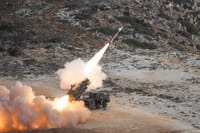
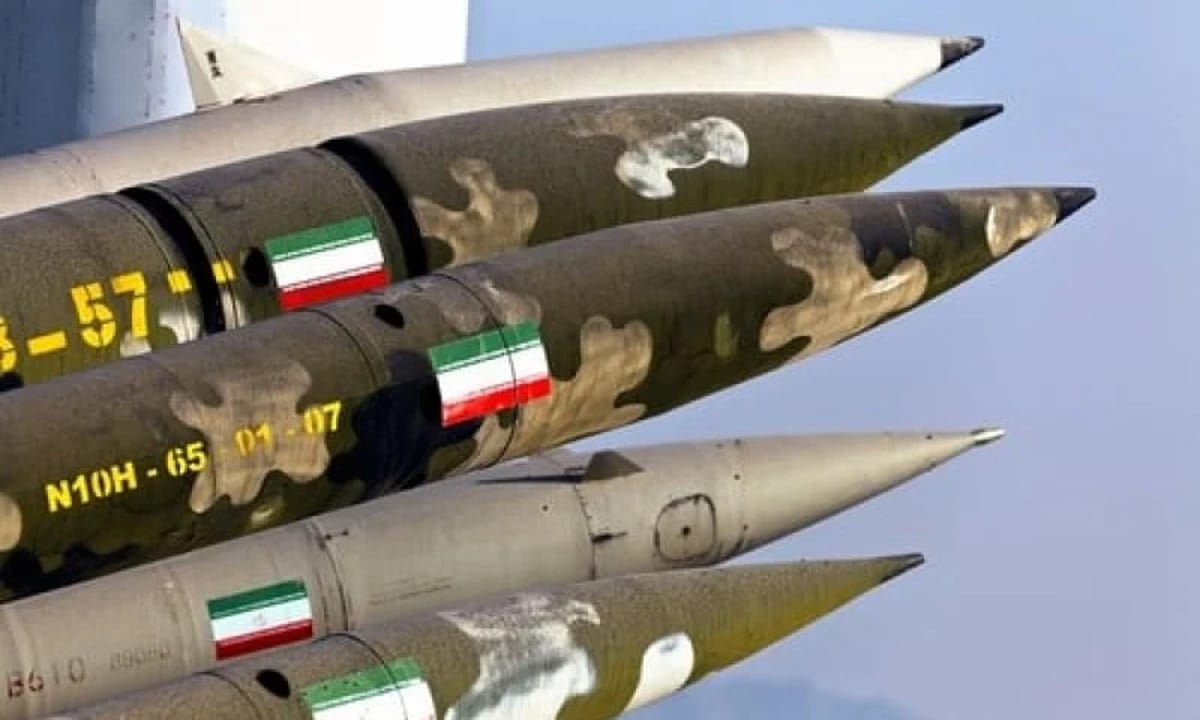
Third, this agreement is being signed in a very different era than the Obama deal. Iran’s missile program is far more advanced today than it was a decade ago. Its drones, ballistic missiles, regional proxies, and military-industrial infrastructure have all developed significantly. Yet the deal does not appear to impose serious limits on the production, expansion, or rebuilding of that missile program.
That is especially astonishing because Iran’s missile threat was one of the reasons the confrontation began in the first place. A deal that addresses uranium but leaves the missile project intact does not neutralize the Iranian threat.
There is also the serious warning reportedly coming from American intelligence: Iran is not truly interested in a final settlement. If that warning is correct, then the entire structure of the agreement becomes dangerously naive. The regime will take the money, take the time, take the legitimacy, and use the diplomatic process as cover.
The billions flowing into Iran will also trigger a new and terrifying arms race between Sunni and Shiite powers. Saudi Arabia, the Gulf states, Turkey, Egypt, and others will not sit quietly while Iran is economically restored and strategically protected. The deal may calm the oil markets in the short term, but it could destabilize the Middle East for years.
The timing is also deeply troubling. The agreement comes only months after serious unrest shook the Iranian regime. Instead of using that weakness to force a more decisive outcome, Washington is giving the regime a path back to power, stability, and international legitimacy.
The real problem is that the deal retreats from the very logic that supposedly justified the American position in the first place. It does not clearly explain how the world returns to a reliable warning point if Iran cheats. It does not offer an objective enforcement mechanism that can truly be said to survive the 60-day checkpoint.
Even if enriched uranium is diluted or controlled, the deeper issue remains. Iran’s broader uranium stockpile, including the reported 11 tons of uranium, remains a major unknown. The technology, the knowledge, the scientists, the missile infrastructure, and the industrial capacity remain inside Iran.
That is why the so-called safeguards, brakes, and inspection points do not change the strategic picture. The tools required to restart the program remain there. The expertise remains there. The regime remains there.
And in the long term, those capabilities will belong to a much stronger state. Iran is receiving money, Lebanon, international legitimacy, breathing space for its missile program, and the experience of having successfully blackmailed the world through the Strait of Hormuz.
Trump entered this war claiming he wanted to neutralize a global and regional danger created by Iran’s nuclear program. Now, with his own hands, he may be building the foundations of a future Iranian empire. If that empire later arms itself, America will find it far harder to stop than it would have been today.
For Iran, this is a brilliant agreement. Tehran gets almost everything back, and more. It does not only recover economically and diplomatically. It also places itself under the protection of an American-backed framework.
For Israel, this is a serious defeat. But it is also a warning and an opportunity.
Israel will have to rearm, rethink its offensive doctrine, build a broader regional strategy, invest in even more advanced technology, and pursue far greater independence. The lesson is brutal but clear: Israel cannot base its survival on American deals with regimes that have spent decades mastering the art of delay, deception, and strategic patience.