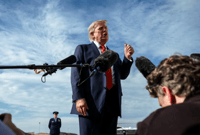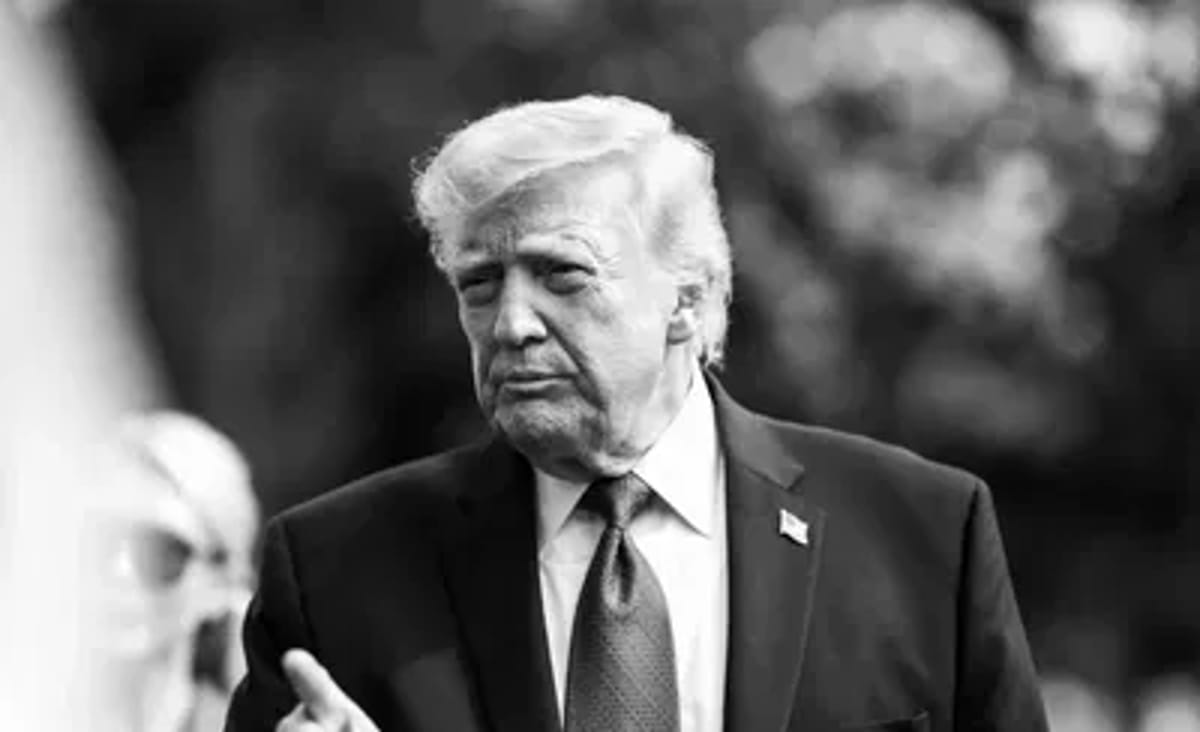
For forty-eight hours, the world held its breath. The ultimatum was classic Trump: "Open the Strait of Hormuz, or I turn off the lights in Iran." It was bold, it was cinematic, and according to seasoned diplomatic correspondent Ariel Kahana of Israel Hayom, it was a tactical dead end that the President has now expertly abandoned.
The "Tree" Trump Had to Climb Down From
In the world of high-stakes gambling, you don’t bluff with a hand that burns down your own house. Trump’s threat to dismantle the Iranian electrical grid was exactly that. While the "Roaring Lion" campaign has successfully degraded the IRGC’s hardware, a total collapse of the Iranian energy sector would have sent global oil markets into a tailspin—harming American allies and global stability far more than it would have hurt a self-sufficient U.S. energy market.
As Kahana noted, Trump "climbed down from the tree" because he realized the 48-hour clock wasn't serving him. It was a self-imposed trap. By announcing "productive talks" and a five-day pause, Trump didn't just delay a strike; he gave himself a diplomatic "ladder" to walk back a threat that could have triggered a global depression.
The Pahlavi Factor and the "Humanitarian" Out
Every good deal needs a face-saving exit. Enter Reza Pahlavi, the son of the former Shah. His public plea—urging the U.S. not to punish the Iranian people by destroying their civilian infrastructure—provided Trump with the perfect pivot. It allowed the President to shift from "The Destroyer" to "The Negotiator," appearing to listen to the voices of the Iranian people while maintaining a position of strength.
Don’t Mistake a Pause for Peace
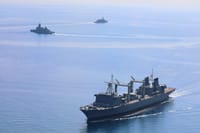
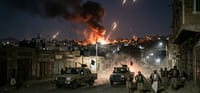
However, for those in Tehran celebrating a "defeat for the Satan," a word of caution: The war has not stopped. Even as the ink dried on the five-day "energy strike freeze," the Israel Air Force was reportedly launching fresh waves of precision strikes in Tehran. The strategy has shifted, but the objective remains. Trump has moved the ultimatum aside, and the Strait of Hormuz remains a contested bottleneck, but the military pressure continues to boil.
The Bottom Line
We are witnessing a masterclass in "unpredictability." Trump has successfully frozen the most catastrophic escalation (total infrastructure war) while keeping his "boots on the ground" (the Iranian people) and his "eyes in the sky" (the IAF) perfectly positioned.
Is this the beginning of the end of the war, as some analysts suggest? Or is it simply a tactical reload? In the Middle East, the "clouds of arrogance" often obscure the truth, but one thing is clear: the 48-hour clock has stopped, but the 120-hour window for Iran’s survival has just begun.