
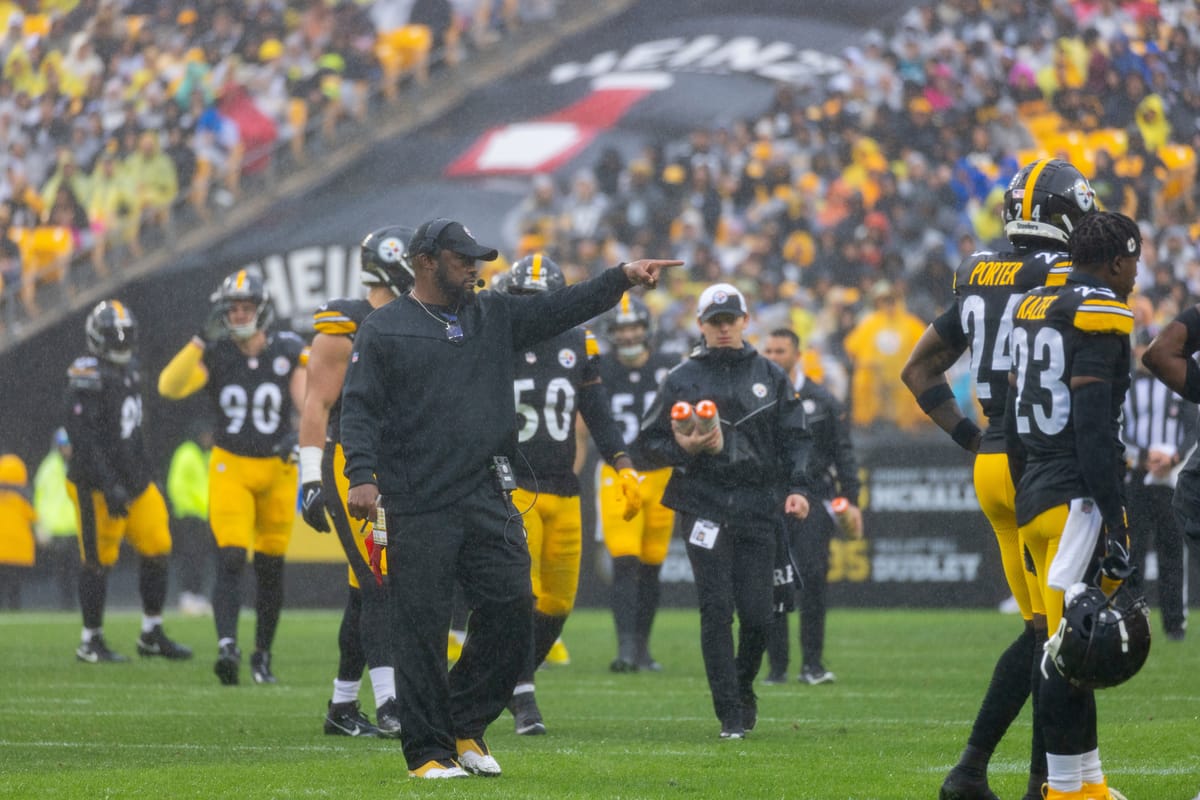
Mike Tomlin has stepped down as head coach of the Pittsburgh Steelers, ending one of the most stable and unusual coaching tenures in modern NFL history. The decision came Tuesday, one day after Pittsburgh’s season ended with a lopsided 30–6 loss to the Houston Texans in the AFC wild-card round.
Tomlin, 53, leaves after 19 seasons without a single losing record, a feat that may never be repeated in a league designed to chew up coaches and spit them out. Still, the timing was not accidental. Monday’s loss marked Pittsburgh’s seventh straight postseason defeat and extended a nine-year playoff win drought that increasingly defined the back half of Tomlin’s tenure.
“After much thought and reflection, I have decided to step down,” Tomlin said in a statement released by the team. He thanked ownership, players, staff, and “Steelers Nation,” calling it an honor to steward one of the NFL’s most tradition-heavy franchises.
Tomlin’s exit means the Steelers will now search for just their fourth head coach since 1969, following Chuck Noll, Bill Cowher, and Tomlin himself. That level of continuity is nearly extinct in professional sports, and Tomlin was a central reason it lasted as long as it did.
Hired in 2007 at age 34, Tomlin won a Super Bowl in his second season, capturing Super Bowl XLIII and becoming the youngest head coach at the time to lift the Lombardi Trophy. He finished with a regular-season record of 193-114-2, tied with Noll for ninth all-time, and led the Steelers to 13 playoff appearances and eight AFC North titles.
Yet success eventually collided with stagnation. Since Pittsburgh’s last postseason win in 2016, Tomlin’s teams went one-and-done repeatedly, often decisively. The final game of his career in Pittsburgh ended with boos raining down from the stands, a rare and uncomfortable sight for a coach once seen as untouchable.
Steelers president Art Rooney II praised Tomlin’s legacy, calling his run of non-losing seasons “unlikely to ever be duplicated.” He also acknowledged the end of an era for an organization built on patience and institutional memory.
Tomlin is not expected to coach elsewhere next season, though he remains under contract, meaning Pittsburgh retains his rights should he return to the sideline before 2027. For now, both sides appear to be stepping back rather than moving on in anger.
For the Steelers, the challenge is stark. Replacing a coach who never collapsed, but also never quite climbed the mountain again, requires threading a needle few franchises ever attempt. Tomlin leaves behind a floor most teams would kill for, and a ceiling fans grew tired of never reaching.