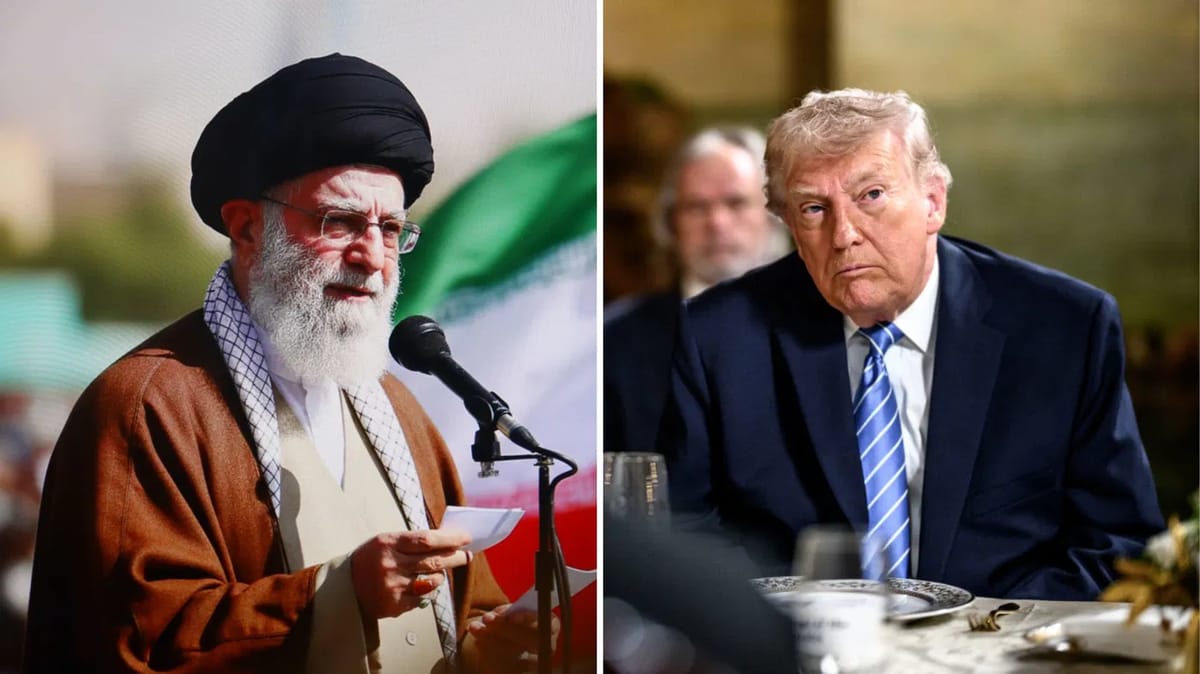
The "positive" atmosphere reported by diplomats leaving Geneva may be a carefully constructed illusion. While Iranian Foreign Minister Abbas Araghchi boasts that the current round of talks is the most serious in history, senior Israeli officials are predicting a total collapse of the diplomatic process in the coming days. The skepticism in Jerusalem is rooted in a belief that the "Iranian DNA" is fundamentally incapable of meeting the high bar set by the Trump administration. With the U.S. demanding a permanent end to all enrichment and the total dismantling of nuclear facilities, the gaps are not merely technical, they are existential. As Israel prepares for the fallout, the military assessment is clear: when the talks fail, the region will face a coordinated assault from the "Axis of Resistance," including a battered but defiant Hezbollah and the Houthi terrorists.
The Unbridgeable Chasm
The core of the dispute lies in the "High Bar" of American requirements. Israeli officials are privately satisfied with the current American stance, noting that the conditions placed on Tehran are so strict that the regime cannot accept them without effectively surrendering its regional power. "If it stays like this, there is no chance there will be an agreement. This is not the Iranian DNA," a senior Israeli source explained. While Araghchi claims that "significant progress" was made regarding the removal of unilateral sanctions, the Americans are reportedly refusing to decouple the nuclear issue from Iran's ballistic missile program and its support for global terrorism. This "all or nothing" approach from the White House makes a diplomatic exit ramp increasingly unlikely.
The Multi-Front Threat
If and when the talks collapse, Jerusalem expects an immediate and violent response from Iran’s proxies. Despite the significant damage dealt to Hezbollah in recent months, Israeli security assessments conclude that the group will be unable to stand aside if their patron in Tehran is attacked. This "axis-wide" framing of the war means that any American or Israeli strike on Iran would almost certainly trigger a coordinated response from Lebanon and Yemen. The Houthis, who have already disrupted global trade, are expected to join the fray, creating a ring of fire around Israel. Israeli defense officials are currently conducting intense consultations to prepare for this "nearly certain" scenario, ensuring that the IDF is ready to fight a war on three or four fronts simultaneously.
The Technical Stall
The upcoming technical talks in Vienna, scheduled for Monday, are being viewed by many as a tactical stall by the Iranians. Araghchi has claimed that the transition to "technical details" proves the seriousness of the process, but Israeli experts warn that this is a classic Iranian tactic to "buy time and con" the international community. While the diplomats discuss centrifuge types and monitoring protocols, the regime continues its secret work on missile delivery systems. The Israeli perspective is that every day spent in Vienna is a day where the threat grows more dangerous. Unless the U.S. sees a radical and immediate change in the Iranian position during the fourth round of talks next week, the diplomatic theater will end, and the "long and powerful" military campaign favored by Trump's inner circle will begin.