Devastating
Eight Skiers Found Dead, One Missing After Massive Lake Tahoe Avalanche
•news-world


Comprehensive coverage of avalanche incidents, safety protocols, forecasting developments, and mountain rescue operations affecting winter sports and mountain communities
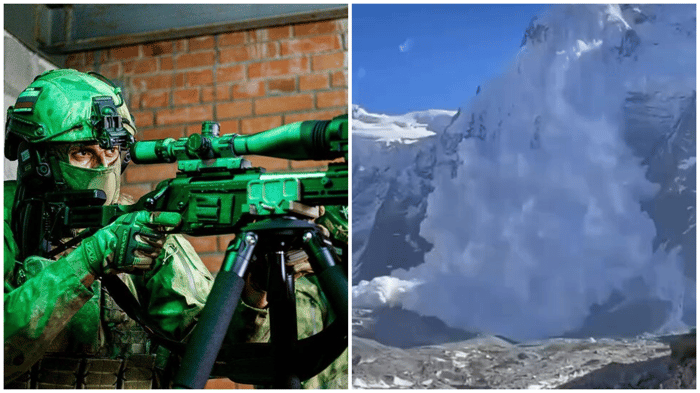
An avalanche is a rapid flow of snow, ice, and debris down a mountainside, representing one of the most dangerous natural hazards in alpine and mountainous regions worldwide. These powerful natural phenomena can reach speeds exceeding 80 miles per hour and carry millions of tons of snow, posing significant risks to skiers, snowboarders, mountaineers, and mountain communities. Understanding avalanche dynamics, recognizing warning signs, and following safety protocols are essential for anyone venturing into backcountry terrain during winter months.
Avalanche forecasting has evolved significantly with advances in meteorological technology and snow science research. Modern avalanche centers utilize sophisticated weather monitoring systems, snowpack analysis, and terrain mapping to provide daily avalanche danger ratings that guide recreational users and professional operations. These forecasts assess factors including recent snowfall, wind patterns, temperature fluctuations, and existing snowpack stability to determine risk levels ranging from low to extreme. The integration of real-time data collection and predictive modeling has substantially improved the accuracy of avalanche warnings, though the inherent variability of mountain weather and snowpack conditions means uncertainty always remains.
Mountain rescue teams and avalanche safety organizations work continuously to educate the public about avalanche awareness and proper backcountry preparation. Essential safety equipment includes avalanche transceivers, probes, and shovels, which significantly improve survival chances if burial occurs. Avalanche airbag packs have become increasingly popular as an additional safety measure, designed to help users stay near the snow surface during an avalanche event. Professional guides and ski patrol teams conduct regular avalanche control work at ski resorts and along mountain highways, using explosives and other techniques to trigger controlled avalanches before they pose threats to people.
The impact of climate change on avalanche patterns has become an important area of scientific study and concern. Warming temperatures, changing precipitation patterns, and altered snowpack characteristics are affecting traditional avalanche cycles in many mountain ranges. Researchers have observed shifts in avalanche frequency, timing, and behavior as winter weather patterns evolve, requiring ongoing adaptation of forecasting methods and safety protocols. These changes have implications not only for winter recreation but also for mountain infrastructure, transportation corridors, and communities located in avalanche-prone areas.
Avalanche education programs emphasize the importance of decision-making skills and risk assessment in backcountry travel. The concept of "avalanche terrain" helps users identify and avoid slopes with avalanche potential based on angle, aspect, elevation, and recent weather conditions. Professional avalanche courses teach participants to recognize red flags such as recent avalanche activity, shooting cracks in the snow, and hollow-sounding snowpack. Understanding human factors in avalanche accidents—including group dynamics, overconfidence, and the tendency to underestimate risk—has become central to modern avalanche safety education.
When avalanche incidents occur, rapid response is critical for victim survival. Statistics show that survival rates decrease dramatically after the first 15 minutes of burial, making companion rescue the most effective form of avalanche rescue. Organized search and rescue operations deploy trained teams with specialized equipment including avalanche dogs, RECCO detectors, and helicopter support when conditions permit. The coordination between local rescue organizations, ski patrol teams, and emergency services has improved response times and outcomes in many mountain regions, though the remote and dangerous nature of avalanche terrain continues to challenge rescue efforts.