The Middle East stands on the precipice of a transformative and devastating war, with high-level security sources indicating that the United States and Israel are on the verge of launching a massive joint military strike against the Iranian regime. Extraordinary preparations have reached a fever pitch across the country, as the Israel Defense Forces have been placed on their highest possible alert status. Logistical movements that were once theoretical are now a visible reality, with entire military bases being emptied and advanced missile defense systems appearing in locations never before utilized. According to deep-cover security sources, the diplomatic efforts of recent weeks were merely a sophisticated curtain, used to buy the necessary time for both superpowers to position their assets for a strike that could begin as early as tomorrow night.
The Great Evacuation
In a move described as both "very expensive" and logistically massive, the IDF has begun evacuating army bases throughout the southern region. This decision stems from a chilling assessment that southern Israel will be the primary target zone for an Iranian retaliatory strike. “We’re talking from tomorrow night,” a senior security source confirmed, “not a week and a half, tomorrow night.” The movement of personnel and sensitive hardware is unprecedented, extending even to the most guarded locations in the nation. At the nuclear research facility in Dimona, while the structures remain, every moveable asset and sensitive material has been transferred into deep, hardened underground vaults to ensure they remain untouched by incoming fire.
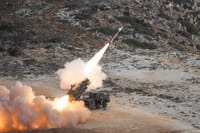
The defensive shield is also being radically reshaped. Fifteen missile defense batteries have been concentrated at a single base in the north, while mobile safe houses are being dropped into positions across the country. The redeployment includes placing interceptors in secret locations that have never been used in previous wars, all part of a strategy to confuse Iranian targeting. While Saudi Arabia has publicly warned the US against using its soil for the attack, sources dismiss this as "performative" comedy, intended only to protect Riyadh from Iranian anger while the largest American base in the region sits ready within their borders.
Eschatology and the Fog of War
The motivation behind Iran’s refusal to back down despite the looming armada is rooted in a radical theological framework. Analysts and sources suggest that the Iranian leadership is following a doctrine aimed at triggering the return of the "Hidden Imam" or Mahdi. In this belief system, the Messiah will only be revealed during a time of global chaos and great wars. “Everything the Iranians do as Shia is to cause the Hidden Imam, their Messiah, to be revealed. How will he be revealed? By them provoking great wars in the world. So everything they are doing now is to stir up major wars,” the source explained. This perspective suggests that Tehran is not looking for a conventional victory but is actively seeking a world-altering war to fulfill their messianic prophecy.
As Iran partially closes the Strait of Hormuz in a desperate bid to hold the global economy hostage, the internal political landscape of Israel is already beginning to shift. Predictions are surfacing that the scheduled parliamentary elections will be suspended for at least two years as the nation enters a state of total war. Even a weakened Hezbollah still possesses the missile capacity to strike Tel Aviv and the north, ensuring that the coming war will be fought on multiple fronts simultaneously. With the diplomatic window closing and the 24-hour countdown effectively active, the era of diplomacy has ended, and the era of fire has begun.