
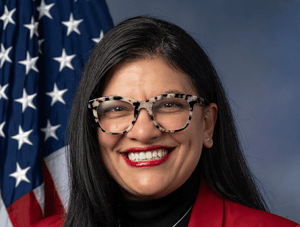
Tlaib Backs Socialist Challengers
Tlaib Rallies to Unseat Two Jewish House Democrats in Florida
•news-world


Comprehensive coverage of the Democratic Socialists of America, the largest socialist organization in the United States and its influence on progressive politics
The Democratic Socialists of America (DSA) is the largest socialist political organization in the United States, advocating for democratic socialism through grassroots activism, electoral politics, and community organizing. Founded in 1982 through the merger of the Democratic Socialist Organizing Committee and the New American Movement, the DSA has experienced significant growth in membership and political influence, particularly since 2016. The organization promotes policies including Medicare for All, the Green New Deal, workers' rights, affordable housing, and economic justice while operating as a multi-tendency organization that encompasses various socialist perspectives.
The DSA operates through a decentralized structure with local chapters across the United States, each engaging in community organizing, political education, and electoral campaigns. The organization has gained prominence by supporting progressive candidates in Democratic Party primaries and local elections, with several DSA-endorsed candidates winning seats in Congress and state legislatures. Notable DSA-affiliated elected officials have brought socialist perspectives into mainstream political discourse, challenging traditional Democratic Party positions on healthcare, labor rights, and economic policy.
The organization's membership surged following the 2016 presidential campaign of Bernie Sanders, growing from approximately 6,000 members to over 90,000 by 2021. This rapid expansion reflected broader interest in democratic socialism among younger Americans and dissatisfaction with establishment politics. The DSA's growth has been particularly strong among millennials and Generation Z voters who face economic challenges including student debt, housing affordability, and climate change concerns.
Democratic Socialists of America chapters engage in various forms of activism beyond electoral politics, including tenant organizing, labor union support, mutual aid programs, and anti-war advocacy. The organization has been involved in campaigns to cancel student debt, establish rent control, support striking workers, and oppose military interventions. This multi-faceted approach combines immediate community needs with long-term systemic change goals, distinguishing the DSA from purely electoral political organizations.
The DSA's political strategy centers on building working-class power through democratic participation and collective action. The organization advocates for transforming the economy through democratic ownership and control of major industries, expanding the public sector, and strengthening labor unions. While working within the existing political system, particularly through Democratic Party primaries, the DSA maintains its identity as an independent socialist organization with goals that extend beyond conventional liberal politics.
Critics of the Democratic Socialists of America have raised concerns about the organization's positions on foreign policy, its approach to electoral politics, and internal debates over strategy and priorities. The organization has faced scrutiny regarding its stances on international conflicts, its relationship with the Democratic Party establishment, and tensions between reformist and revolutionary tendencies within its membership. These debates reflect broader discussions within the American left about effective strategies for achieving social and economic transformation.