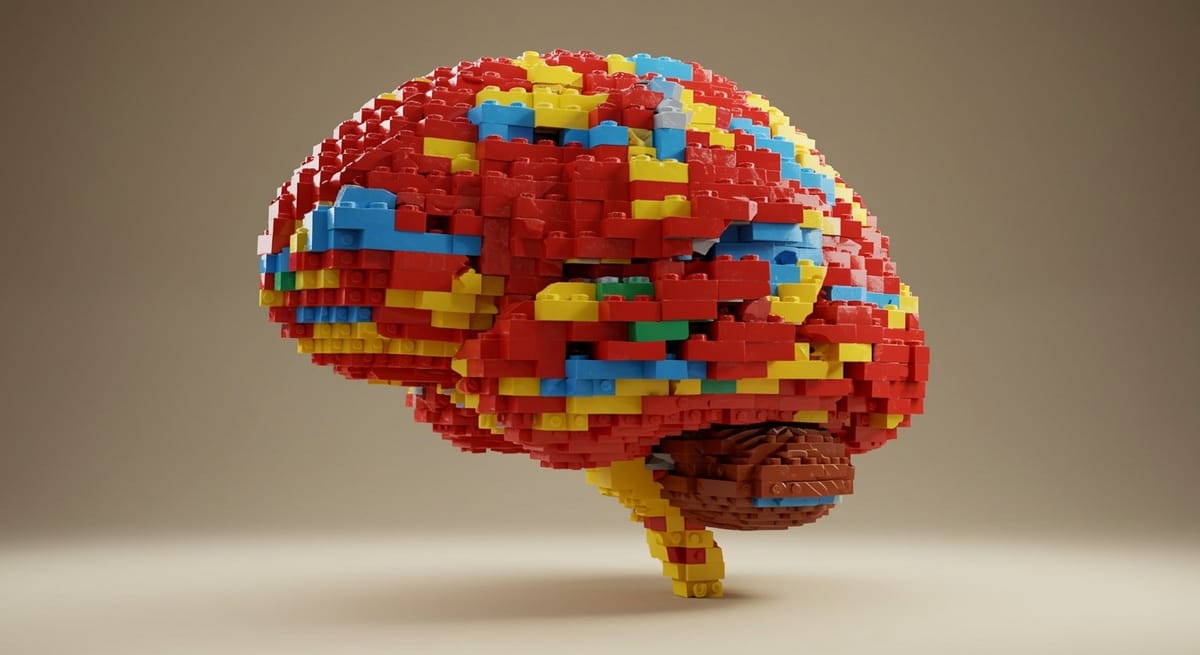
The brain doesn't need to create a new neural circuit for every piece of information it processes. That's the conclusion of a new study from researchers at the Massachusetts Institute of Technology (MIT), which suggests the brain employs flexible, reusable neural circuits, essentially "cognitive building blocks" that can reconnect and fulfill different roles as needed.
The research, conducted in collaboration with scientists from MIT's Picower Institute for Learning and Memory and Princeton Neuroscience Institute, examined how mice hold information in working memory and translate it into action. The findings indicate that instead of each neuron group being responsible for only one type of information, some neural populations can perform the same computational operation on different kinds of data.