Get our mobile app
Download on the App StoreGet it on Google Play

What China Can Do

Solar Farm's Unusual Workers: 20,000 Sheep

What was once nearly complete desert transformed within years into green space beneath millions of solar panels — and when the grass grew too high, the Chinese found the most surprising solution

China's Giant Solar Farm Had an Overgrowth Problem. 20,000 Sheep Solved the Problem

One of the world's largest solar power stations is producing an unexpected result: where barren desert once stretched for miles, lush vegetation suddenly began to flourish — until the grass itself became a problem. The solution chosen was extraordinary: bring in thousands of sheep.

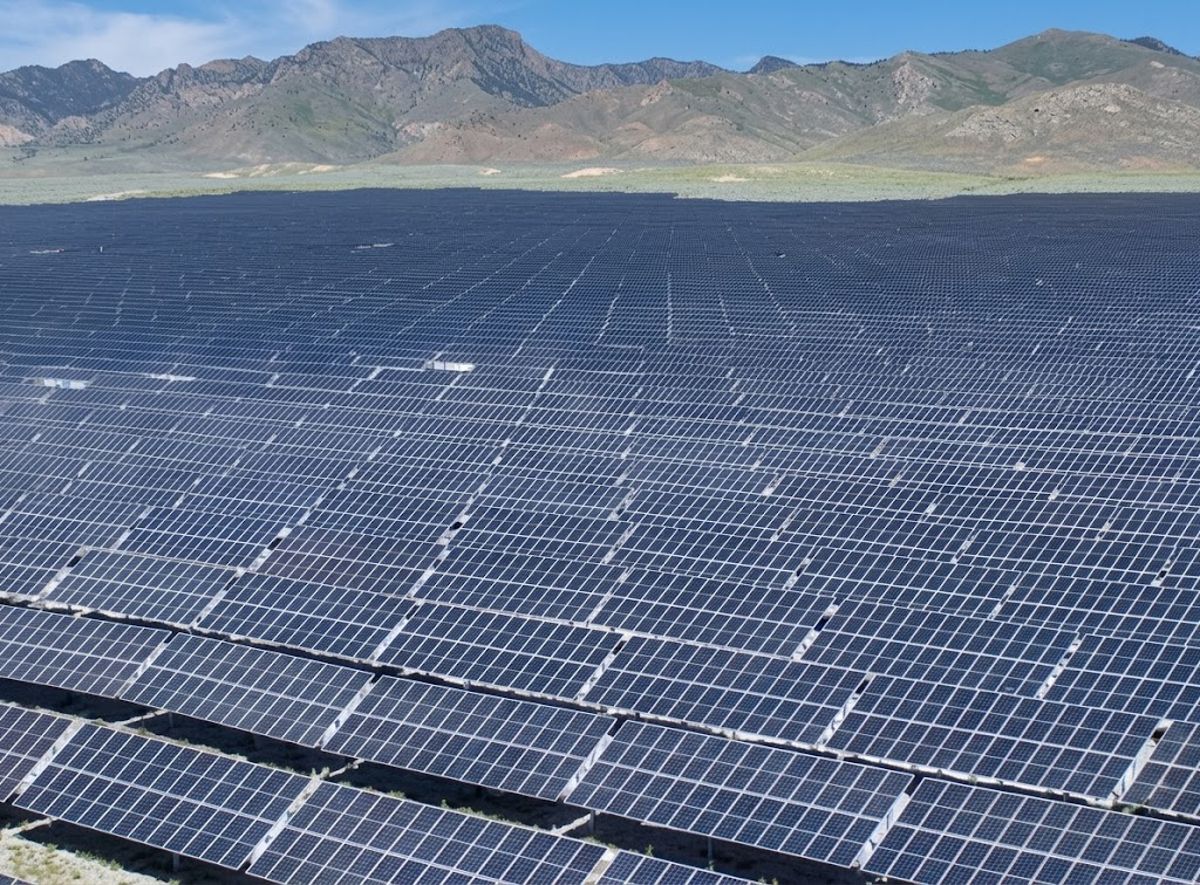
The story unfolds in Talatan, in Qinghai Province in northwestern China, on the Tibetan Plateau, at an elevation of nearly 3,000 meters above sea level. By the end of the last century, desertification in the area had reached approximately 98.5%, and the region suffered from powerful winds that whipped up sand and stones, damaging solar installations as well.

In 2012, construction began on a massive solar base in the area. Millions of panels were deployed across hundreds of square kilometers, but alongside electricity generation, another change occurred — one not necessarily planned from the start.
The panels provided shade and wind protection for the vegetation growing beneath them, while water used to clean the panels seeped into the ground and helped increase moisture levels. According to monitoring data published by Chinese authorities, within a few years wind speed in the area dropped by approximately 50%, evaporation decreased by about 30%, and vegetation coverage reached roughly 80%.

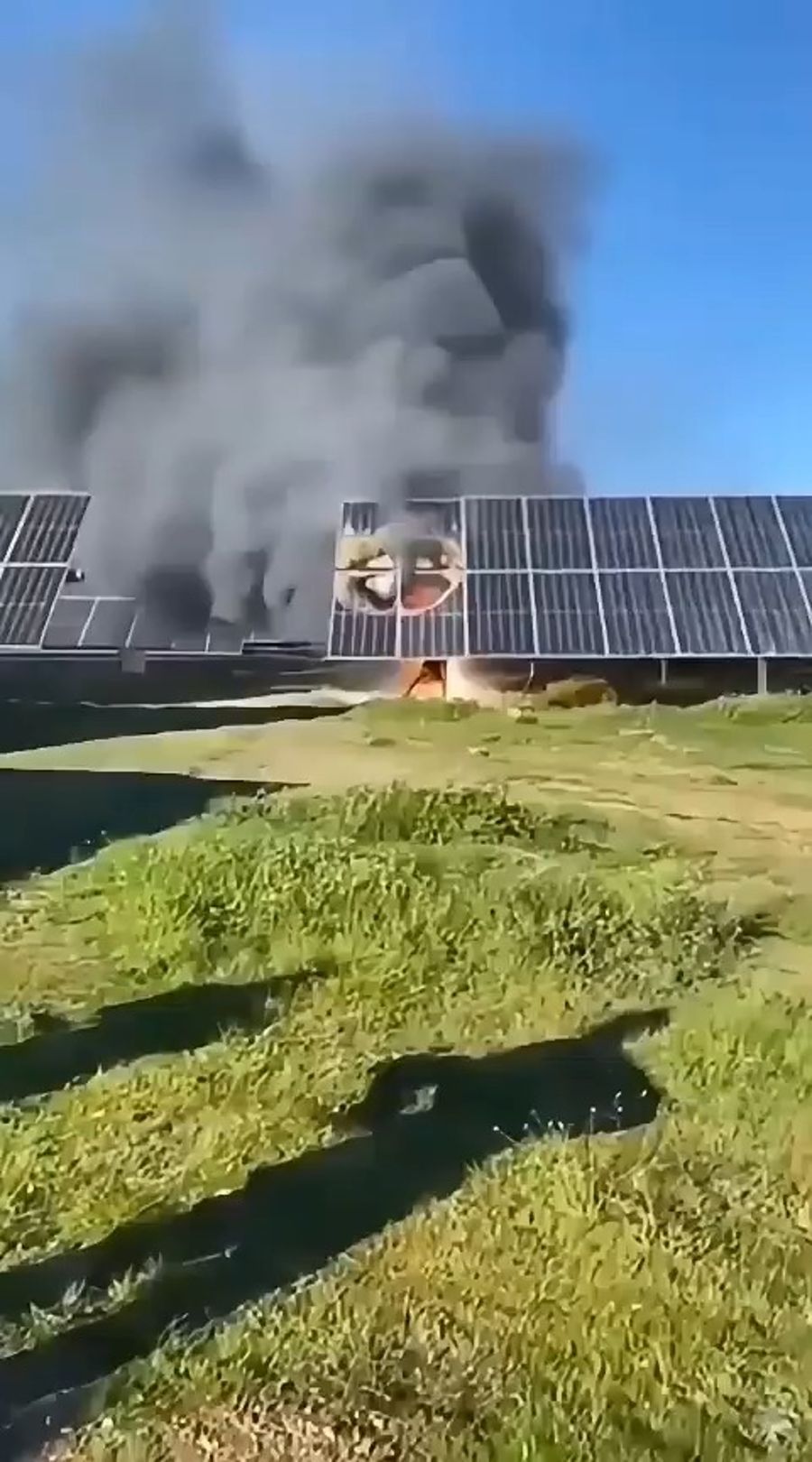
But the ecological success created a new problem: the grass grew rapidly and reached heights that could shade the panels and reduce their efficiency. During the dry season, it also became combustible material that could increase fire risk. Attempts were made to address the problem through mowing and maintenance work, and the use of herbicides was even considered, but the solution ultimately chosen was far simpler.

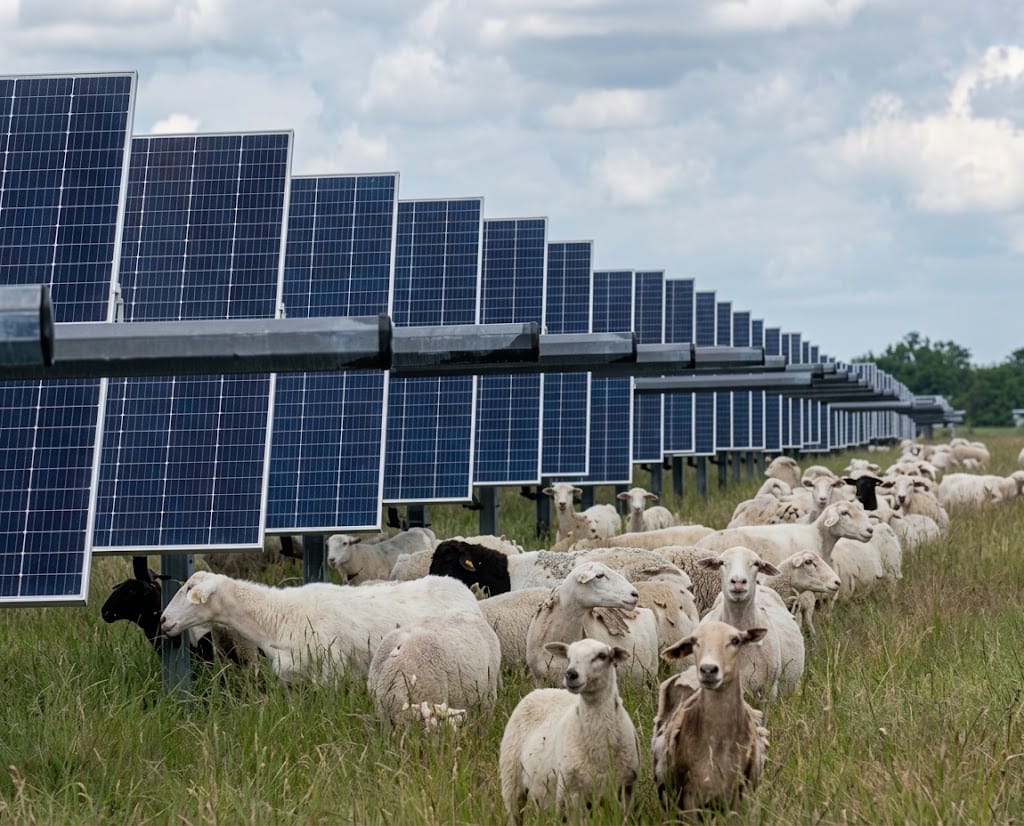
More than 20,000 sheep were brought in to graze in the space between the panels. They eat the vegetation, help keep it at the desired height, and reduce the need for mechanical mowing. At the same time, local herders receive grazing land, and the sheep enjoy the shade provided by the panels during summer days.

The result is an unusual model in which the same land serves both electricity generation and grazing, while the power station also provides conditions that help vegetation reestablish itself.

The Talatan complex continues to expand, and by the end of 2024 the solar base already stretched across approximately 420 square kilometers, with an installed capacity of about 17.73 million kilowatts, according to Chinese government data.

Ready for more?

Join our newsletter to receive updates on new articles and exclusive content.

We respect your privacy and will never share your information.

Enjoyed this article?

Yes
No
Follow Us:

Unmissable content


Loading comments...

Also of Interest