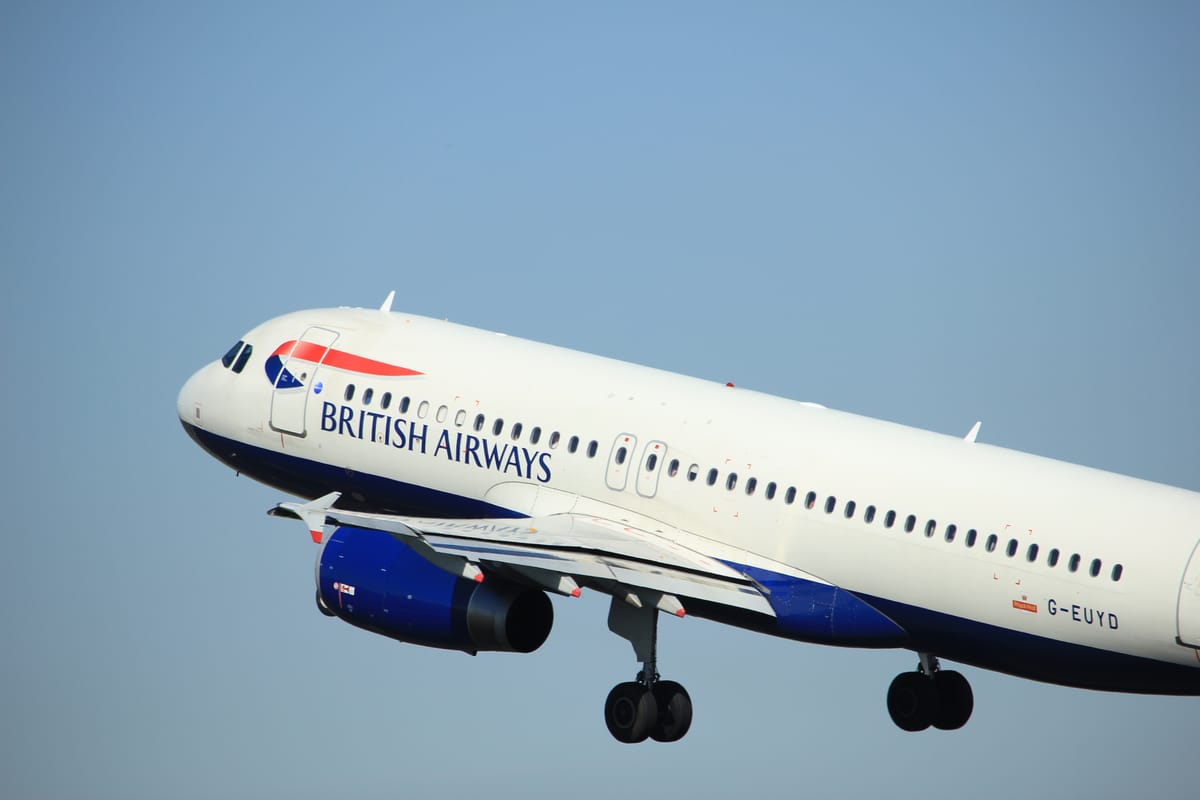
The crisis gripping the regional aviation sector has deepened significantly after British Airways officially announced a massive extension of its flight suspensions to major metropolitan hubs across the Middle East. According to a formal corporate update, the United Kingdom's flagship carrier will not resume commercial operations to Tel Aviv, Dubai, Bahrain, or Amman until the conclusion of the summer aviation calendar in late October. The airline board explicitly cited the persistent regional security vacuum and the total absence of a stable diplomatic resolution with neighboring states as the core drivers behind the decision.
The prolonged withdrawal of British Airways reflects a broader, highly coordinated retrenchment by the world's largest transportation conglomerates, who are systematically removing the region from their global transit networks. Major American carriers have led the exodus, with prominent operators extending their cancellations from New York to the local market until late September, while alternative transit lines from major southern hubs remain frozen until mid December. Furthermore, separate transatlantic giants have pushed their operational resumption dates back to early next year, marking a continuous three year absence from the local aviation market.
This total vacation of the airspace has created an unprecedented logistical crisis for local citizens attempting to secure international travel during the peak summer vacation season. With standard European and American transit lines almost entirely severed, ticket prices have experienced a severe upward surge, and available seating capacity has plummeted to historic lows. While a single prominent legacy carrier retains tentative plans to restore specific routes by early September, corporate representatives emphasize that these target dates remain highly volatile and subject to immediate cancellation if ground conditions deteriorate.
However, the widespread international retreat has created a massive commercial vacuum that one prominent Gulf state carrier is moving aggressively to exploit. Automated systems confirmed that Etihad Airways, operating out of its primary global hub in Abu Dhabi, has announced an unprecedented, highly ambitious expansion of its local schedule. Starting in mid June, the airline plans to rapidly scale up its existing daily rotations until it is executing up to six distinct flights per day between Abu Dhabi and Tel Aviv, directly defying the broader industry trend.
This massive expansion is specifically engineered to capture the immense pool of stranded travelers who are desperately seeking reliable connection vectors to major destinations across Asia and North America. By routing local passengers through its highly advanced transit infrastructure in Abu Dhabi, the Gulf carrier is successfully maintaining vital international lifelines at a time when traditional Western alliances have effectively closed their gates. Aviation analysts note that this strategic maneuver will likely cement the airline's dominance over local long haul travel markets long after the current war draws to a close.