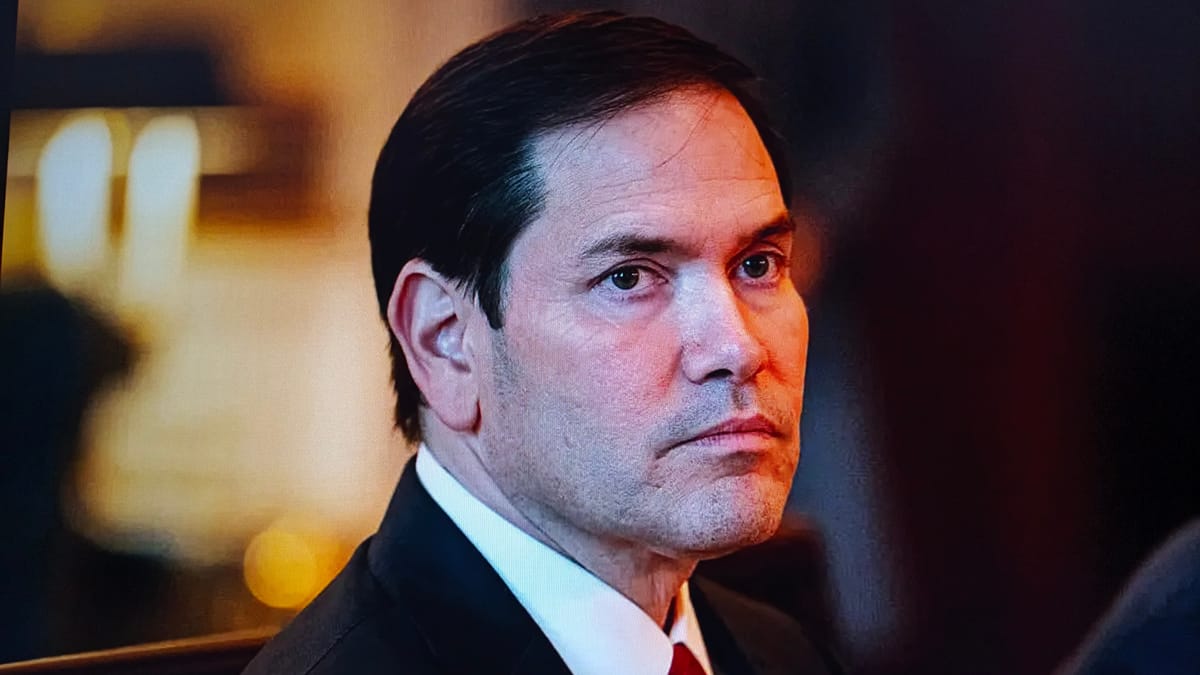
As tensions between the United States and Iran reach new heights with ongoing airstrikes and proxy confrontations in the Middle East, a decade-old speech by then U.S. Senator Marco Rubio (R-FL) and now the Secretary of State, is resurfacing online, hailed by many as eerily prescient. A viral post on X (formerly Twitter) from user @koshercockney has garnered over 1.3 million views, urging viewers to "stop what you’re doing" and listen to Rubio's 2015 Senate floor remarks opposing the Iran nuclear deal.
In the post, shared late on March 4, @koshercockney described the clip:"Marco Rubio 2015. He called it. He called it word for word, like a play-by-play." The attached video, edited with "In 2015" overlays, features Rubio warning of the consequences if the Joint Comprehensive Plan of Action (JCPOA) the Obama-era agreement aimed at curbing Iran's nuclear program, were to proceed.
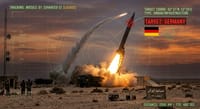
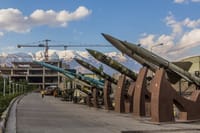
Speaking on the Senate floor in September 2015 during debates over a resolution of disapproval for the deal, Rubio predicted that Iran would use sanctions relief to bolster its conventional military, fund terrorist proxies, and pursue nuclear capabilities that would make it "immune" to international pressure, much like North Korea. He cautioned that Tehran would build anti-access weapons, rockets to target U.S. aircraft carriers, and fast-boat swarms to challenge naval assets, while working with groups to attack American forces, all while denying direct involvement.
"This is not just a work of imagination; it exists in the world today called North Korea," Rubio said, noting that a "lunatic" regime there possesses nuclear weapons and long-range missiles, deterring any U.S. action due to the risk of retaliation against allies and American territories. He described Iran's Supreme Leader as a "radical Shia cleric with an apocalyptic vision," intent on triggering global conflict, and warned that allowing such a regime to acquire nuclear weapons would be unprecedented in its destructiveness.
Rubio concluded with a call for future U.S. leaders to reverse the deal on "their first day in office," reimposing sanctions backed by a "credible threat of military force," or risk historical condemnation.