Recently I participated in an academic program in a Balkan country. The country is nice but not very impressive. On the flight back I saw with my own eyes what I had known for a long time. Israel is overtaking Europe completely.
True, the Balkans may not be the best example, but as I flew over wooden village houses and forested mountains and then approached the office towers and fast trains of Israel, I understood how large the gap has become.
When I was a child in the first decade of the twenty first century, the Israeli public mentality was that the country was messed up, but we loved it anyway. This mentality was maintained by the left leaning media that controlled public discourse. That atmosphere gave birth to the Rothschild tent protests and to the trend of cheap pudding in Berlin.
Only toward the end of the second decade of the century, around the year 2017, this mentality began slowly to shift in line with reality. Europe, flooded with migrants and refugees from the Muslim world, was declining, while Israel was rising.
Recognition of Israel’s success became popular after the end of the corona crisis, and after the events of October seven it became completely undeniable.
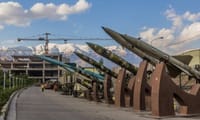
The facts speak for themselves. Stock market growth in Tel Aviv reached double digit percentages this year. Birth rates far surpass those of the West. Military reach extends all the way to Iran. GDP per capita is higher than almost all of Europe.
Today it is fair to say that Israel has already overtaken Europe, the same continent that was considered desirable only a decade ago.
Yet despite Israel’s victory over the critics, Israeli reality remains challenging. The security situation is unstable. Social division, much of it artificial, persists. The economic burden on ordinary citizens remains heavy. There is a sense that the wealth and strength of Israel are not being translated into everyday life.
The average Israeli today knows that the country is powerful and prosperous, but also knows he or she has almost no chance of buying a home alone, and that a terrorist could open fire at any moment. Residents of the Balkans do not suffer from dangers on this level.
Israel’s wealth and strength do not translate into daily life, and in my view the reason is clear. Israeli politics is afraid to evolve with the changes. Most members of Knesset are between forty and sixty years old. They belong to a generation raised in the nineteen eighties and nineteen nineties, a time when the political left dreamed of peace in the Middle East, and the political right failed to stop that illusion.
Most members of Knesset on both left and right do not represent the younger generation. My generation, which grew up in the two thousands. The right wing of this generation is far more radical in security and economic terms, and the left wing of this generation practically does not exist.
The politicians of Israel today still operate with the spirit of that earlier era. The right is fearful and moderate. The left effectively controls state institutions. This is the spirit that rules the Knesset.
Above all of them stands one man, Benjamin Netanyahu, equipped with communication skills learned in America, ensuring that nothing will change. Netanyahu fears change even when the change would benefit his own camp. This is evident in his policy as prime minister. He will not cancel the Oslo Accords. He will not enact judicial reform. He will not pursue conquest, expulsion, and settlement in Gaza. He will not confront the powerful labor organizations that dominate the country. Other right wing politicians, no matter how ideological or determined, do not dare act against Netanyahu from the right.
Israel is rising economically and militarily, yet it is not fulfilling its full potential. The Netanyahu government does not allow it. Settle Gaza. Destroy the Palestinian Authority. Absorb the Druze of Syria. Absolutely not. Too extreme. Cut the massive pension obligations. Cancel the sales tax. Open the market completely to imports. Certainly not. Too problematic. Advance general elections for the Supreme Court. Dismiss the failed military command responsible for the events of October seven. Impossible.
Israeli politics on the eve of 2026 does not represent the Israel of today. It represents the Israel of twenty years ago, during the disengagement era. A right wing majority, an unpredictable leader, but left wing policy in practice. For Israel to shed the weight of the policies of the nineteen nineties and rise to new heights, it needs a new politics. The politics of a new generation. The generation of victory.
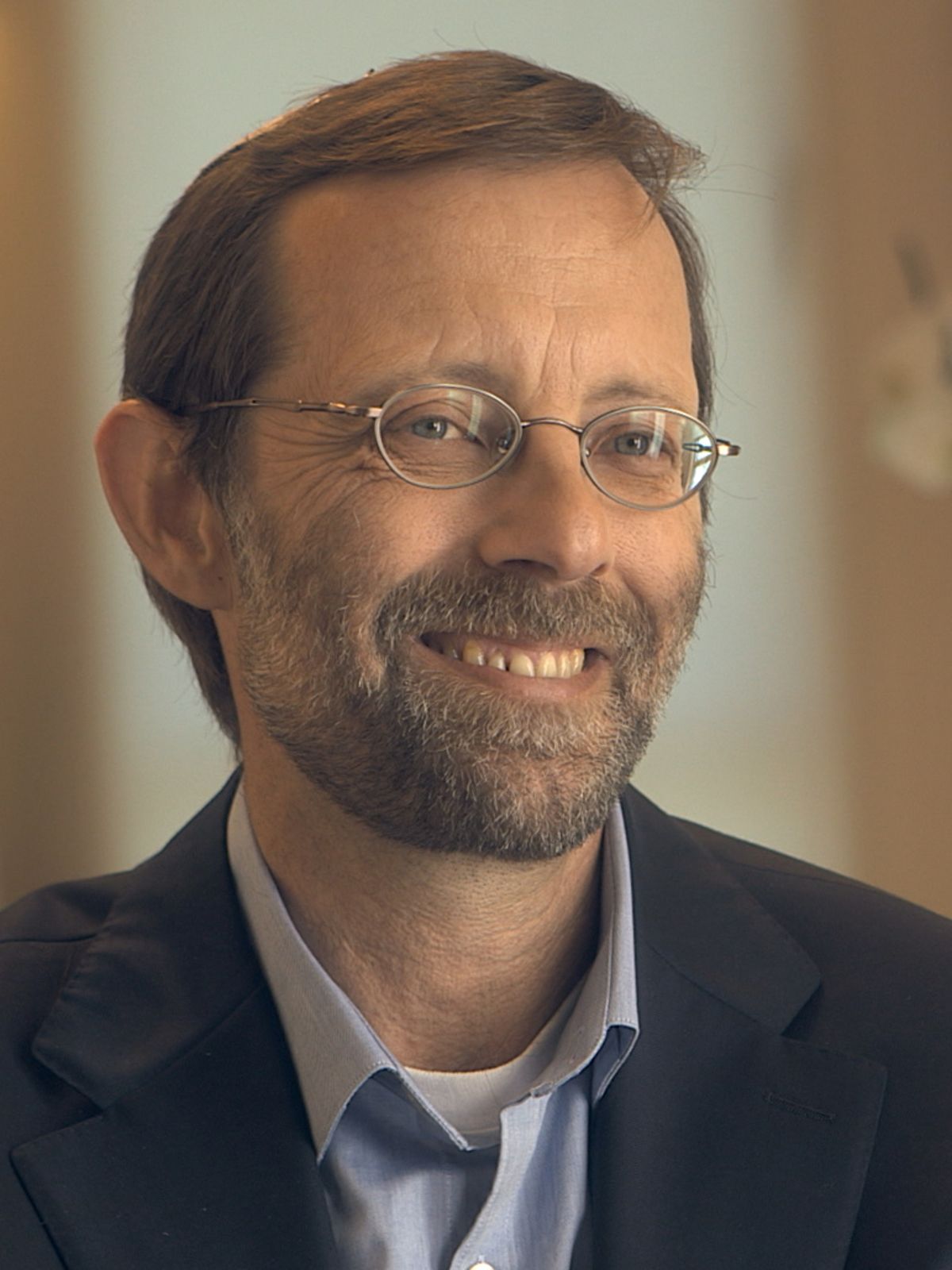
In my view, there is one person worthy of leading this new Israeli politics. Moshe Feiglin. He is the only person who has consistently proven that his words match his beliefs, and he has paid a political price for it. He saw through the illusion of the Swords of Iron campaign already on October eight, just as he saw through the illusion of the Oslo Accords and the illusion of the traditional right wing for many years.
Moshe Feiglin may be over sixty, but in spirit and conviction he is twenty years old. He is determined, radical, anti establishment, and with the help of the Creator, may he be blessed, he may become the next leader of Israel.