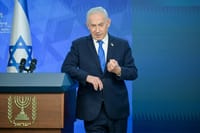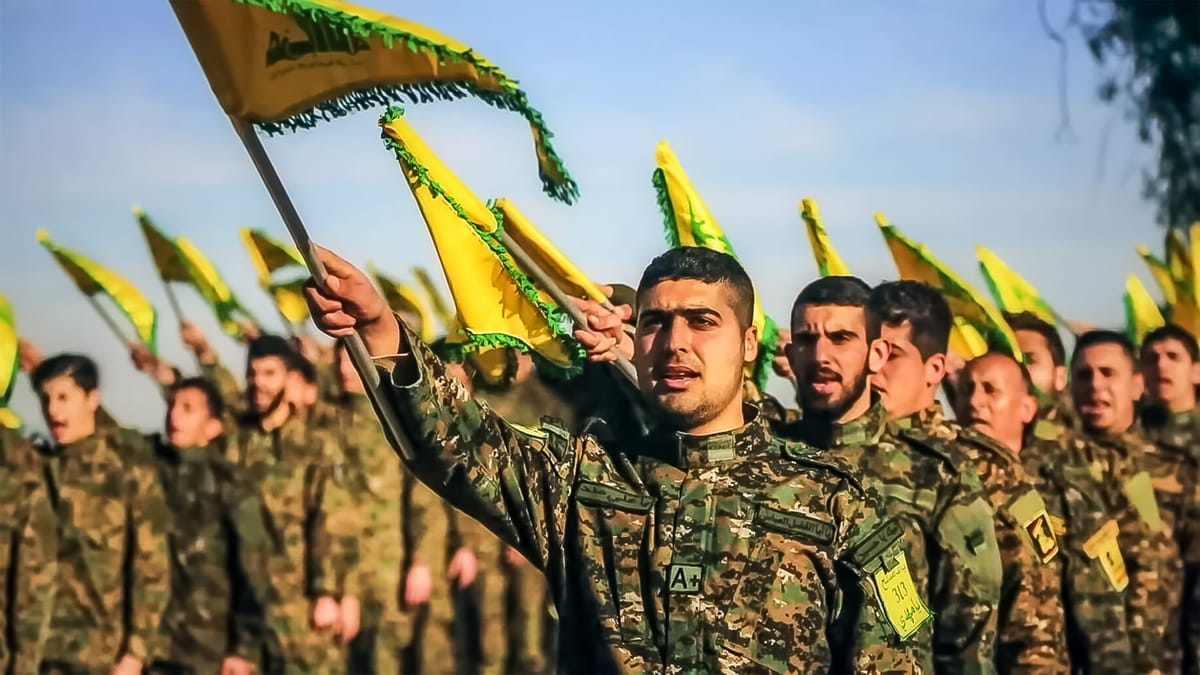
During a high level visit to the Northern Command, Defense Minister Israel Katz announced the successful elimination of Abu Hussein Ra'eb, the commander of Hezbollah’s powerful Nasser Unit. The operation, which took place overnight, is part of a broader Israeli strategy to systematically dismantle the leadership of the Iranian backed terror group. Accompanied by Major General Rafi Milo and other senior officers, Katz was briefed on the staggering humanitarian and military shifts occurring on the ground. Beyond the tactical success of the assassination, the Minister was updated on the massive displacement of the Lebanese population, with over 1.1 million people reportedly fleeing their homes in the Dahiya district of Beirut and across southern Lebanon as the IDF increases the intensity of the war.
The Fall of the Nasser Unit Commander
Abu Hussein Ra'eb was a veteran operative within Hezbollah’s military hierarchy, commanding the Nasser Unit, which is responsible for the group's operations in critical sectors of Lebanon. His death is a major blow to Hezbollah’s ability to organize defensive lines and launch coordinated attacks against northern Israel. Minister Katz emphasized that these assassinations are not just about revenge, but about creating a new reality on the border. "Not only will we not withdraw in the face of Hezbollah, but we will take advantage of the opportunity to strike it and collect prices from it," Katz stated during his briefing, making it clear that the Israeli government has no intention of stopping until the terror threat is completely neutralized.
A Million People on the Move
The scale of the displacement in Lebanon is unprecedented, reflecting the sheer power of the Israeli air campaign. Military intelligence estimates that 650,000 residents have evacuated the Dahiya neighborhood in Beirut, while another 500,000 have fled the southern regions of the country. This mass exodus has left Hezbollah’s traditional strongholds empty, allowing the IDF to target weapons caches and command bunkers with greater precision. For Minister Katz, this massive shift represents a "very, very great opportunity" to reshape the security landscape of the Middle East. By stripping Hezbollah of its human shields and its senior commanders, Israel is attempting to force the organization into a state of total collapse.
Pressure on the Lebanese Government
Katz also took the opportunity to send a direct message to the central government in Beirut, which has largely stood by as Hezbollah dragged the country into war. The Defense Minister noted that the Lebanese government has signed previous international agreements and must now be held accountable for their implementation. "It took responsibility, it signed agreements, it needs to stand by them," Katz insisted. "It committed to disarming Hezbollah, it must act to do so." This rhetoric suggests that Israel is no longer satisfied with simple ceasefires and is instead pushing for a permanent change where the Lebanese state, rather than a terrorist militia, exerts control over its territory. As the war continues, the pressure on Beirut to act will only grow.