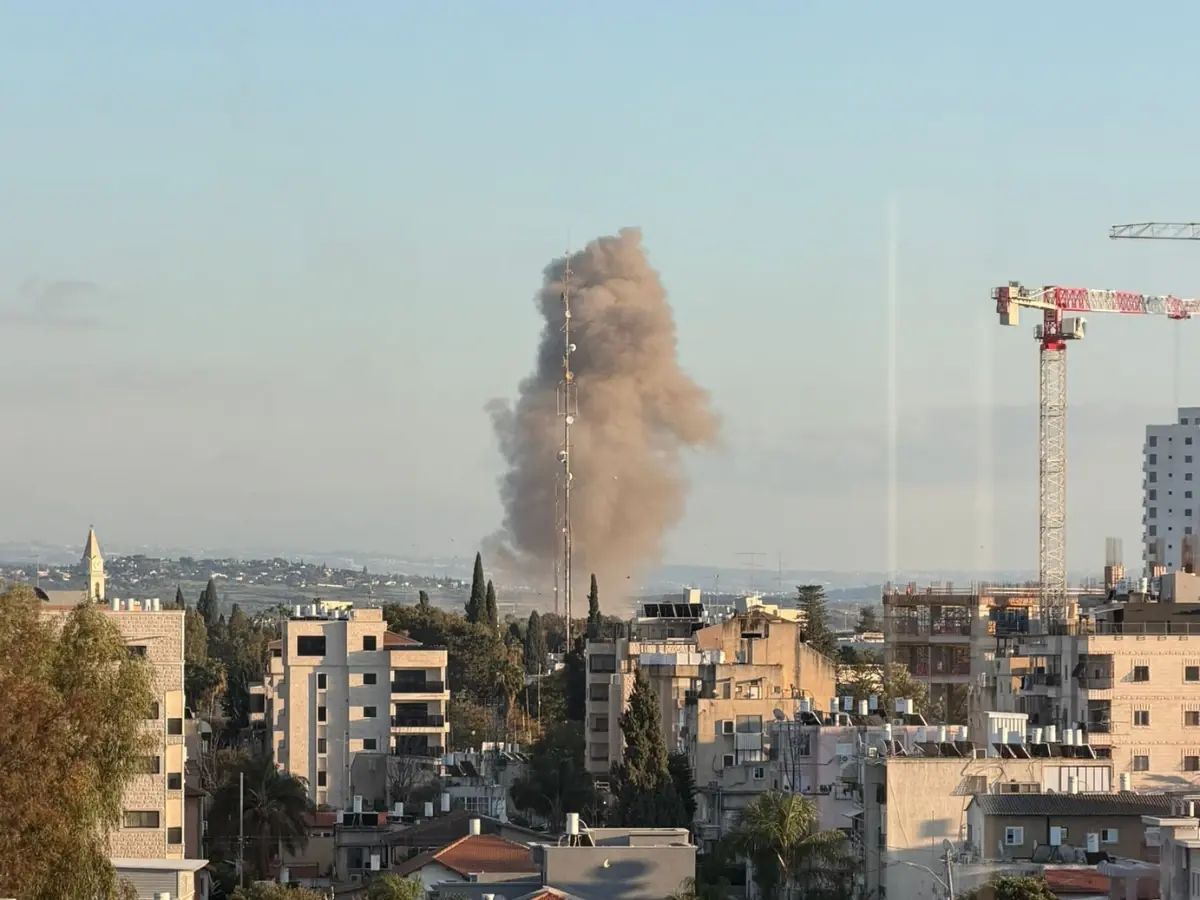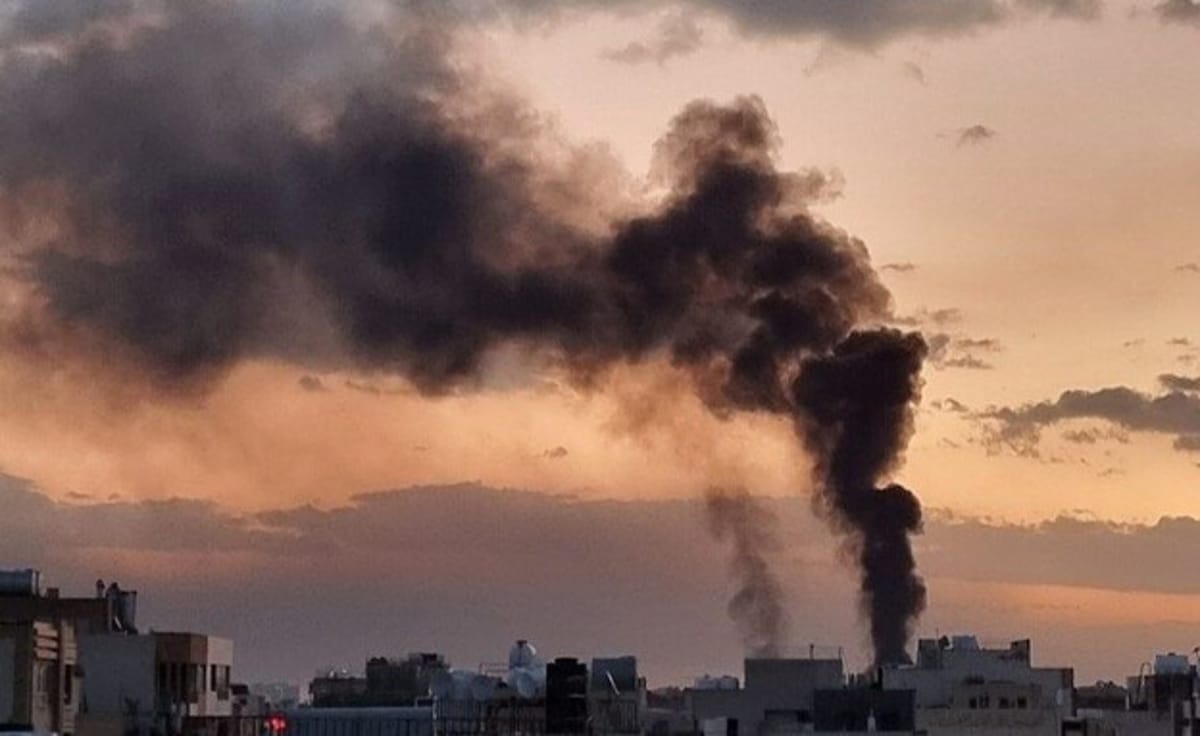
As the combined Israeli and American air campaign nears the completion of its primary military objectives, a debate is intensifying within the security establishment regarding the ultimate exit strategy. According to a report by David Ignatius in the Washington Post, based on conversations with senior Israeli officials, there is growing concern that fighting until the total overthrow of the regime may not be in Israel's best interest. These officials argue that while the military targets, including the nuclear program and missile factories, are being successfully neutralized, there is no identifiable group or leader capable of stepping in to govern the country. Without a viable alternative, the coalition faces the risk of being dragged into an "endless war" that could drain resources and alienate the American public.
Military Success vs. Political Vacuum
The military achievements of the war have been significant. The joint strikes are reportedly close to finishing what remains of the Iranian nuclear project, following the major American bombings in June. Additionally, the regime's ballistic missile stockpiles, weapons manufacturing plants, and the upper echelons of the military and intelligence services have been decimated. However, a senior Israeli official familiar with the strategy noted, "I'm not sure it's in our interest to fight until the regime falls. No one wants an infinite war." This official suggested that once the core military threats are removed, Israel should consider its mission accomplished rather than pursuing a total regime change that leaves a 90-million-person nation in total chaos.
The Problem of Succession
A central issue identified by both Israeli and American intelligence is that there is no "ready to lead" alternative to the Ayatollahs. While there are signs that the centralized command structure of the regime is beginning to wobble and internal splits are appearing, there are no indications of an imminent internal collapse that would lead to a stable new government. "We don't see anyone who can replace the regime," the official admitted. This assessment has led to the warning that Israel must be careful not to become a "burden" on the United States by dragging it into a long term occupation or a chaotic power vacuum. The goal, according to this perspective, is to remain a "reliable ally" while being mindful of the rising costs of a prolonged campaign.
Seeking a Conditional Ceasefire
Instead of an unconditional surrender that might never come, some strategists are looking for a path toward a ceasefire based on American terms. The theory is that while the regime will never officially "give up," the extreme pressure may force them to send messages accepting a cessation of hostilities that effectively neuters their regional influence. This would allow the coalition to exit the war with its security goals met without having to manage the fallout of a failed state. As the war enters this critical phase, the focus is shifting from what can be destroyed to what kind of regional order will remain when the smoke clears over Tehran.