Strategic Economic Paralysis
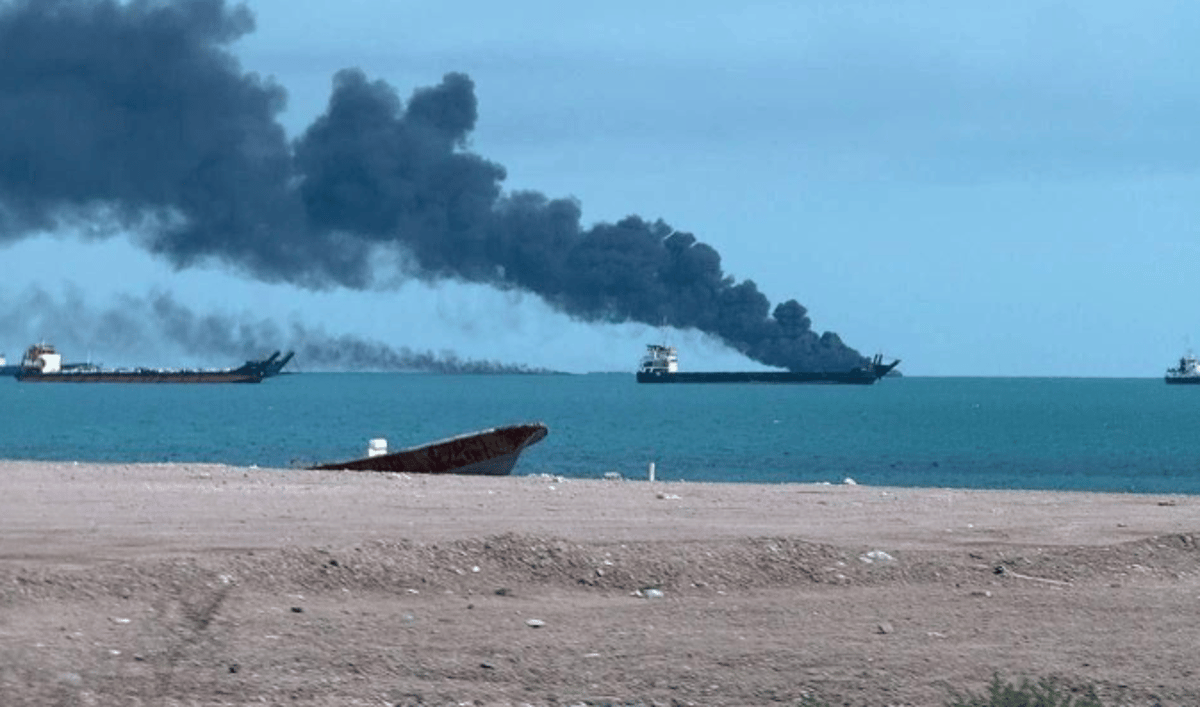
Bandar Abbas is more than a military base; it is the capital of Hormozgan Province and the hub of the nation's maritime activity. The nearby Shahid Rajaee port handles over 80% of Iran’s container traffic. Raging fires at infrastructure facilities and the main Naval Headquarters have plunged the entire region into acute uncertainty.
The timing of this massive assault appears linked to critical intelligence regarding supply routes. Reports reveal that two Iranian cargo ships, the Shabdis and the Barzin, were en route from a Chinese port to Bandar Abbas carrying sodium perchlorate, a key component for solid rocket fuel.
For Tehran, the need for these components has shifted from "urgent" to "existential" following heavy damage sustained by its missile arrays in recent strikes. The fact that China allowed these ships to depart despite the active military conflict has significantly increased tensions between Washington and Beijing.
While fires rage on the ground, a different battle for control of the Strait of Hormuz is underway. Iran announced the closure of the Strait and threatened to "ignite" any vessel attempting to pass, a move that nearly halted commercial tanker traffic in the area.
However, CENTCOM clarified that the Strait remains open and that Iran is not enforcing the "closure," but rather using "pressure tactics" to spread fear. Global oil prices have already begun to surge in response to reports of the fighting and instability at the Persian Gulf’s central gateway.
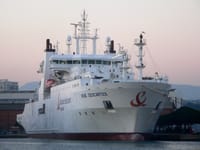
Currently, Bandar Abbas remains a burning battlefield. The combination of hits on strategic assets like the *Makran*, the paralysis of trade routes, and the interception of missile fuel shipments places the Iranian regime in one of the most difficult hours of its history.