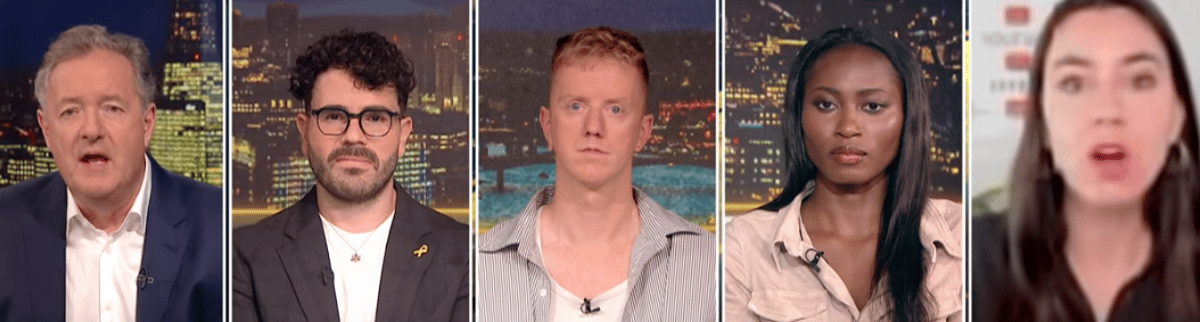
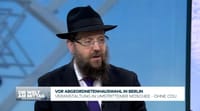
Mazzig argued that phrases like “Death to America” and “Death to the IDF” are often misused or oversimplified, contributing to a divisive atmosphere filled with half-truths and harmful stereotyping. He emphasized that these slogans carry weight and are weaponized to shape opinions rather than foster understanding. According to Mazzig, such rhetoric deepens societal fractures and fuels ongoing tensions that go beyond simple protests.
Lorenz, a noted commentator on digital culture, defended the principle of free speech, cautioning against censorship while highlighting the complex origins and emotions behind such slogans. The debate intensified as the two discussed where the line lies between legitimate protest and incitement to violence—a line that host Piers Morgan himself sought to clarify during the broadcast.
Mazzig, who has been a frequent voice on Morgan’s platform, expressed mixed feelings about the show. While he values the global forum it provides for discussing Israel-Palestine issues, he recently criticized Morgan on social media as a “provocateur” who amplifies dangerous voices for clicks. Mazzig urged Morgan to use his platform more responsibly amid rising intolerance worldwide.
The confrontation also highlighted Mazzig’s broader critique of perceived double standards in Western media and activism, where criticism of Israel is often intense, yet abuses elsewhere receive less attention. He called for more nuanced dialogue and honest exploration of the conflict’s complexities, something he feels is lacking in many liberal circles.
Audience reactions on social media were predictably divided. Supporters of Mazzig praised his candidness about the destructive power of inflammatory language, while Lorenz’s backers defended her stance on free speech, accusing Mazzig of downplaying the importance of protecting open discourse.