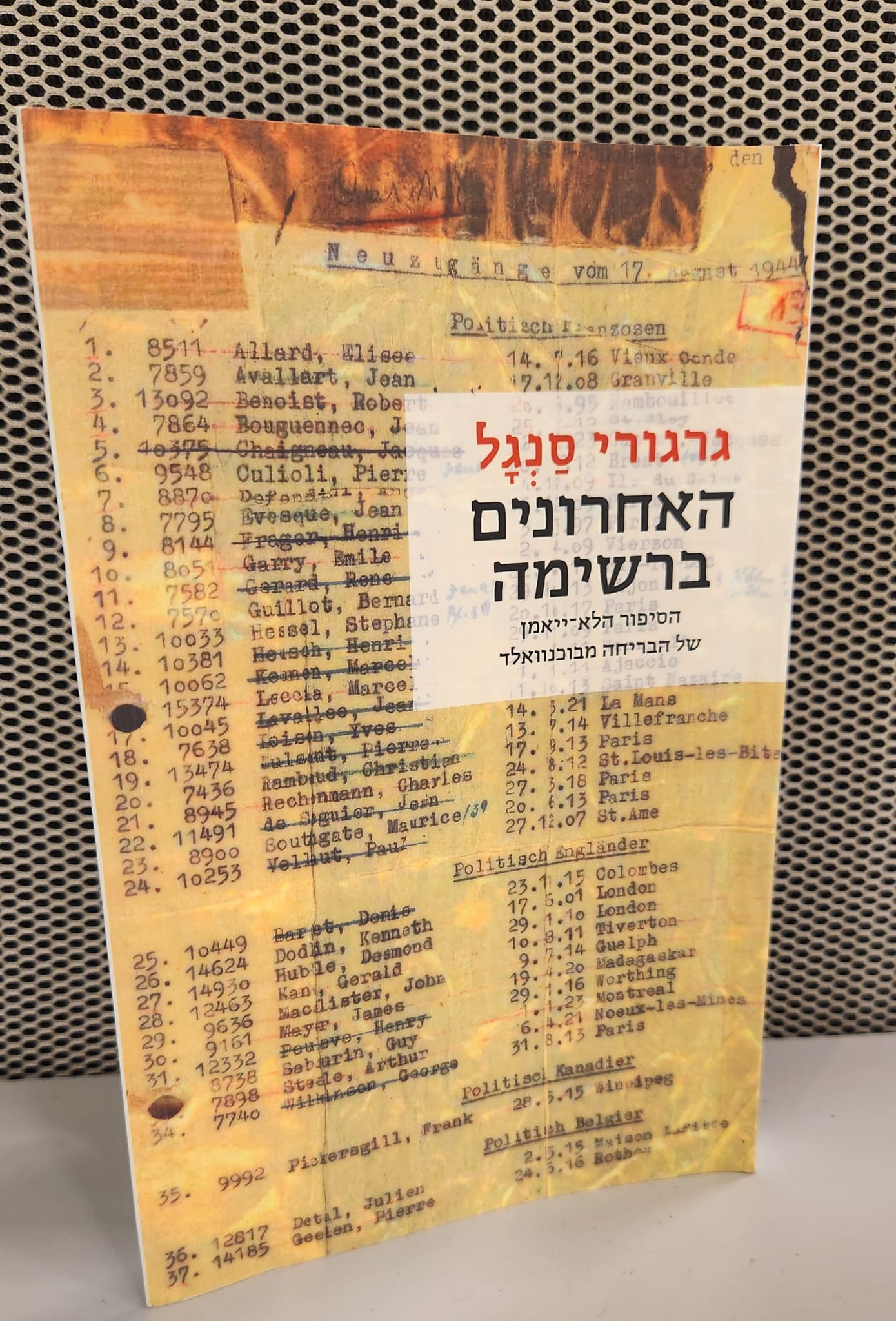
The reviewer for the Israeli news site Srugim wrote that the book describes, in a dry, factual and cold style, the work of Buchenwald's human experimentation barracks and daily life in a camp that was one small part of the largest and most horrifying extermination enterprise in human history.
The review singled out the author's background as the most remarkable thing about the book. Cingal is not Jewish and is not a survivor who escaped the camp. He is a French writer, researcher, translator and archivist born in 1971, decades after the Holocaust. The reviewer noted that he nevertheless succeeded in weaving together a true story backed by documents. The story is told in the style of a documentary film, with many characters and settings, most of them harrowing.
The book closes with a glossary of terms explaining the grim routine of a concentration camp and a table of the ranks of the German army under the Nazi regime. The 310-page edition also includes notes and a list of sources.
"The Last on the List" is Cingal's first book to be translated into Hebrew. It was translated from French by Rama Ayalon and published by Yedioth Books under its Sifrei Hemed and Aliyat HaGag imprints, with support from the French Embassy in Israel and the French Institute as part of the "Eliezer Ben-Yehuda" project.
The reviewer cautioned that many of the chapters dealing with medical experiments are difficult to read and absorb. They described the story as a whole as important for connecting the past to the present and for preserving the memory of the Holocaust in the future.
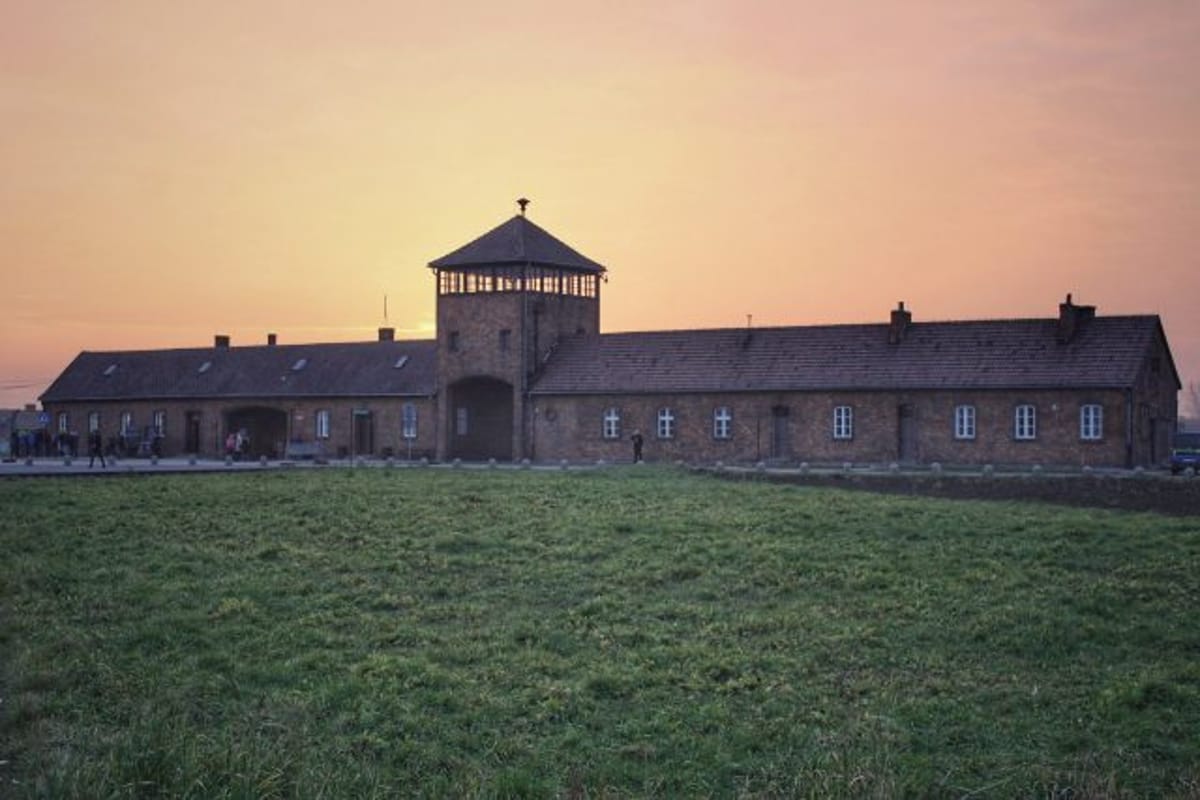
The book's release comes as Israeli high schools and yeshiva high schools begin months of preparation for the 2026-27 Poland trip. Although the official Holocaust remembrance days in Israel and abroad are still some way off, the preparation process exposes students to written, photographic and archival material from museums and state archives. Many participants have said they returned from the trip changed.
Students in 11th and 12th grades may choose whether to take part. Those who decide not to go, often because they fear the experience abroad would be too difficult, are offered an alternative program in Israel called "From Holocaust to Revival." It visits Holocaust study centers across the country, the best known of which are the Ghetto Fighters' House and Yad Vashem. The reviewer suggested that books such as Cingal's offer another way for readers who stay home to connect with this chapter of Jewish history without undertaking lengthy research of their own.