
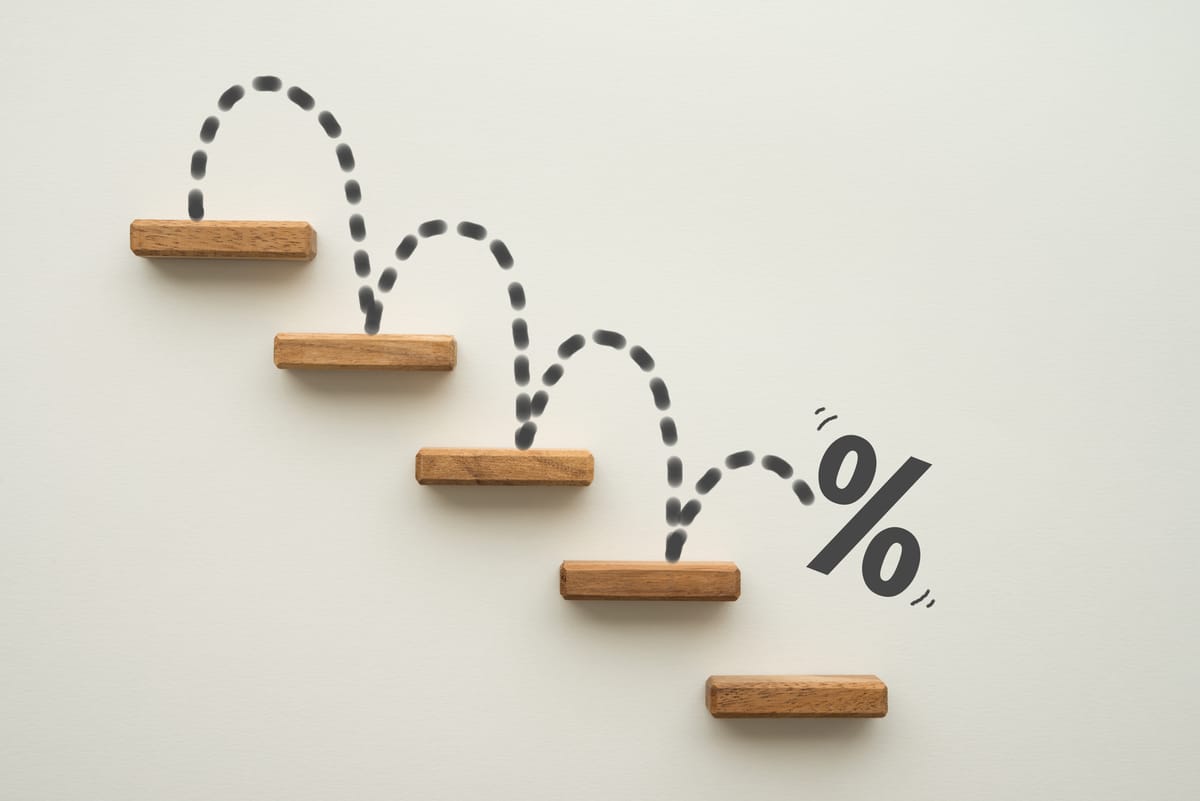
The Bank of Israel announced today (Monday) a 0.25% interest rate cut, lowering the rate to 4.25%, after 14 consecutive decisions with no change since the outbreak of the war. Economic analysts say the move comes "perhaps too late, but better late than never."
The decision follows a drop in inflation to 2.5%, strengthening of the shekel, and the end of the war, which has significantly reduced economic uncertainty.
With this move, the Bank of Israel joins a growing list of countries that have begun lowering interest rates in recent months.
Practically speaking, this move has several direct and indirect effects on everyday Israeli citizens, though the modest size of the cut means changes may unfold gradually over months.
1. Borrowing and Loans Become Cheaper
If you have a variable-rate mortgage (common in Israel, often tied to the prime rate), your monthly payments could decrease slightly, potentially saving households tens to hundreds of shekels per month depending on loan size. Fixed-rate mortgages won't be affected directly, but new ones might offer lower rates.
Personal loans, car financing, and credit card debt could see reduced interest costs, making it easier to borrow for big purchases or consolidate debt. This is especially relevant amid high living costs, as it encourages spending and investment.
Businesses may find it cheaper to expand, which could lead to more job opportunities and wage growth over time.
2. Savings and Deposits Earn Less
Interest on savings accounts, fixed deposits, and other low-risk investments will likely drop, reducing returns for savers and retirees who rely on these for income. For example, if your bank adjusts rates downward, a 100,000-shekel deposit might yield noticeably less annually.
This incentivizes people to spend or invest in higher-risk assets like stocks or real estate instead of hoarding cash, which aligns with the bank's goal of boosting economic circulation.
3. Inflation and Cost of Living
With inflation already low (and forecasts pointing to negative rates in late 2025), the cut helps prevent deflation, which could otherwise lead to falling prices but also delayed purchases and economic stagnation.
In practice, this might stabilize or slightly increase everyday prices for goods like food and utilities, but it could ease pressure on household budgets if wage growth follows.
A weaker shekel (possible side effect of lower rates) might make imports more expensive, subtly raising costs for items like electronics or fuel, though exports could benefit, supporting jobs in trade-heavy sectors.
4. Broader Economic and Banking Impacts
The rate cut signals confidence in recovery post-conflict, potentially lifting consumer sentiment and stock market performance (e.g., Tel Aviv indices might rise, benefiting investors) as reported by Bloomberg. For citizens, this could mean a milder recession risk, with fewer layoffs and more stable housing prices.
It also pressures banks to pass on savings to consumers rather than pocketing profits, amid government talks of a bank tax to fund mortgage relief.
Overall, this cut is a cautious step toward easing financial pressures for borrowers while nudging the economy forward, but its full effects depend on global factors like U.S. Federal Reserve moves and regional stability.