
Get our mobile app
Download on the App StoreGet it on Google Play

Israel economy

Fuel may hit ₪9/liter this Motzei Shabbos

 Smotrich's one-shekel tax cut on fuel ends this Motzei Shabbos. If he does not extend it, drivers face a jump to ₪9 per liter of 95-octane gasoline, up from ₪7.77 today, driven by the expiring break, surging oil prices and a stronger dollar.

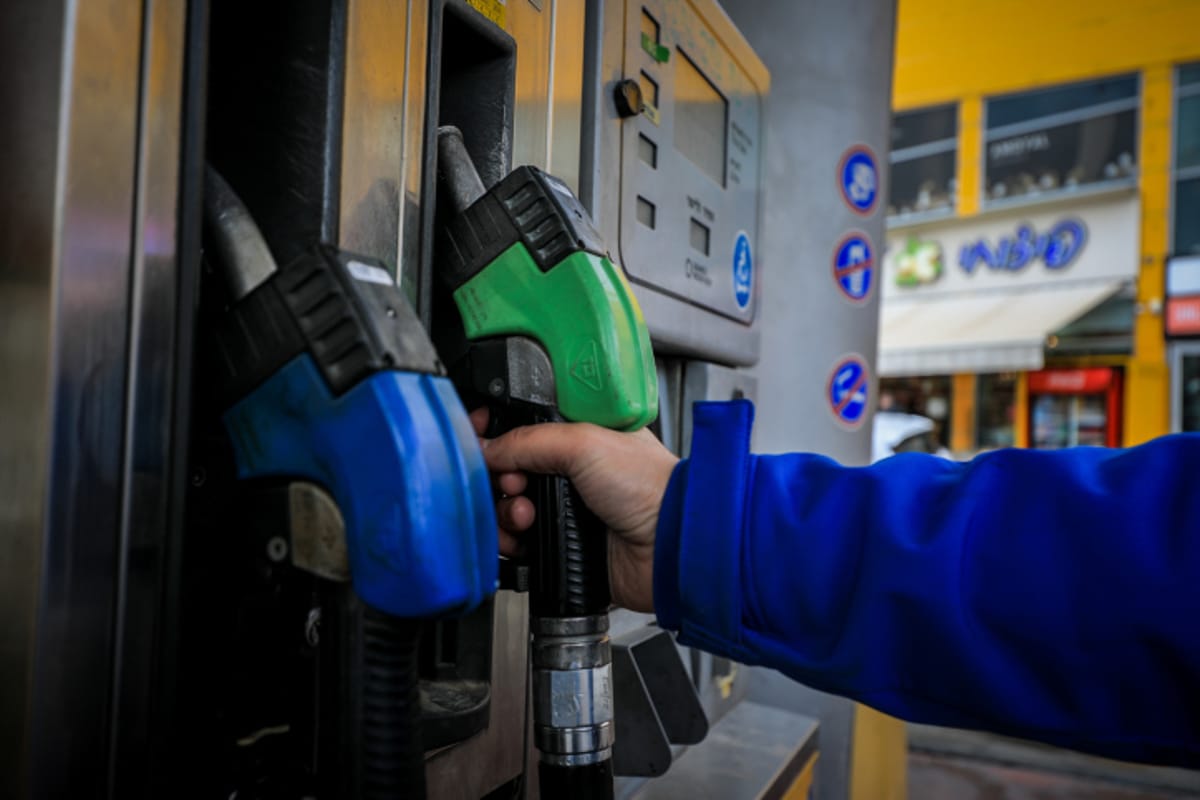
Fuel station

Israeli drivers may face a sharp jump in fuel costs as soon as Motzei Shabbos, with the price of 95-octane gasoline potentially reaching a record ₪9 per liter, up from ₪7.77 today. The increase would come from a combination of factors: the expiration of Finance Minister Bezalel Smotrich's tax break on fuel, a surge in global oil prices and a stronger dollar against the shekel. Ynet reported the development Sunday.

In early October, Smotrich raised the fuel tax discount from half a shekel to a full shekel per liter, under an excise-reduction order. That break, which cost the state an estimated ₪300 million per month, expires at the end of this month. Its cancellation would add one shekel immediately to the price per liter.


But the expiring tax break is only part of the picture. According to estimates in the economic establishment, security tensions in the Strait of Hormuz, stemming from the war between the United States and Iran, have pushed global oil prices to around $110 per barrel, a rise of roughly 13 percent on international markets. At the same time, the dollar stands at ₪3.11, a strengthening of about 3 percent that is expected to add another 10 to 20 agorot per liter.

A dispute has broken out in the Finance Ministry over extending the break. The professional staff opposes continuing the subsidy, which would cost another ₪300 million in November and bring the total cost to around ₪800 million — all without a defined budget source. Sources in the ministry said the minister has not yet decided and will rule close to the date the price is set, in line with trends in oil and currency trading.

Finance Minister Bezalel Smotrich
Finance Minister Bezalel Smotrich (Photo: Hillel Ben Ari/Flash90)

The consequences of the price jump are expected to be broad. For the average household, the increase means an extra ₪15 to ₪20 every time a full tank is filled. But beyond the direct hit to drivers, economists warn of another wave of price increases across the economy.

According to estimates in the economic establishment, a jump in fuel prices is expected to raise the consumer price index and inflation in Israel by about half a percent as soon as November. The impact will show up in the cost of transport, goods and services throughout the economy, as transportation costs roll down to the end consumer.

"The reduction is correct at this time in order to push growth in the Israeli economy, maintain price stability and prevent price increases and inflation in many sectors of the economy," Smotrich said when he put the previous subsidy in place.

Now, with the order's expiration, the question is whether the minister will choose to extend the break despite professional opposition and the heavy budget cost.

Ready for more?

Join our newsletter to receive updates on new articles and exclusive content.

We respect your privacy and will never share your information.

Enjoyed this article?

Yes
No
Follow Us:

Unmissable content


Loading comments...

Also of Interest