Get our mobile app
Download on the App StoreGet it on Google Play

International Pasta Day

Ten things you didn't know about pasta

Which US president fell in love with macaroni, why Italians never break spaghetti, and how pasta connects to the Talmud Yerushalmi? For International Pasta Day, ten surprising facts about one of the world's favorite foods

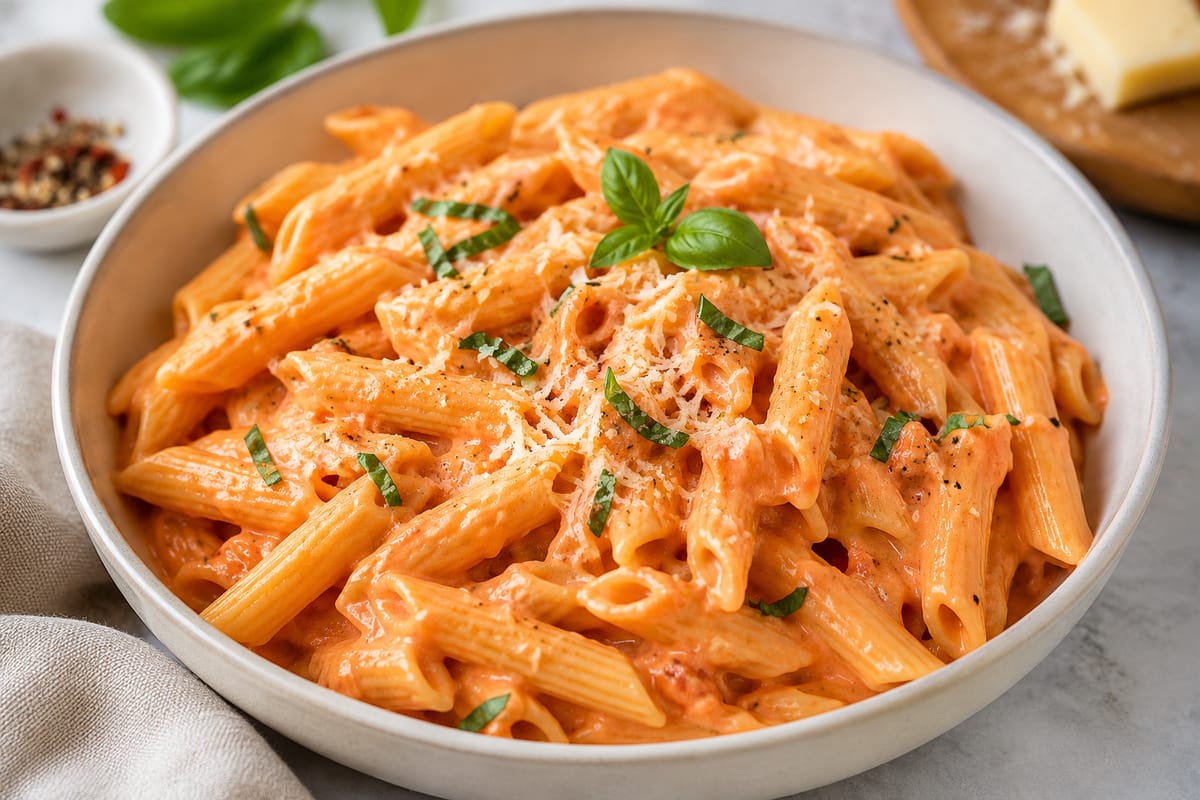
Pink pasta sauce

With tomato sauce, cream, pesto or just olive oil and parmesan, it's hard to find someone who doesn't love pasta. It stars in upscale restaurants, family dinners and quick weeknight meals when there's no energy to cook. Today, Sunday, October 25, marks International Pasta Day around the world, and it's an opportunity to learn some surprising stories about the food we all know.

1. No, Marco Polo did not bring pasta to Italy

One of the most famous stories about pasta is that Marco Polo discovered it during his travels in China and brought it to Italy in the 13th century. But this story is almost certainly a myth. Historical evidence shows that pasta was already known in Italy before he returned from his journeys. In fact, as early as the 12th century, the Arab geographer al-Idrisi described the production of dried pasta in Sicily.

2. Pasta is also connected to the Talmud Yerushalmi

It turns out that the idea of dough cooked in water is far more ancient than commonly thought. In halachic discussions in the Talmud Yerushalmi, boiled dough foods appear, which food historians mention in the context of foods that preceded the pasta we know today. Of course, we're not talking about spaghetti in tomato sauce as we eat it now, but it's certainly interesting to discover that even many hundreds of years ago, the sages of the Talmud dealt with similar foods.

3. There are more than 300 types of pasta

Did you think spaghetti, penne, fusilli and macaroni were more or less all the options? Think again. There are hundreds of pasta shapes in the world, and some even have different names in different regions of Italy. But these shapes aren't just about appearance. Each has a function: curly pasta catches thick sauces well, hollow pasta allows sauce to enter inside, and long pasta is especially suited to smoother sauces. In short, even the shape of your pasta has meaning.
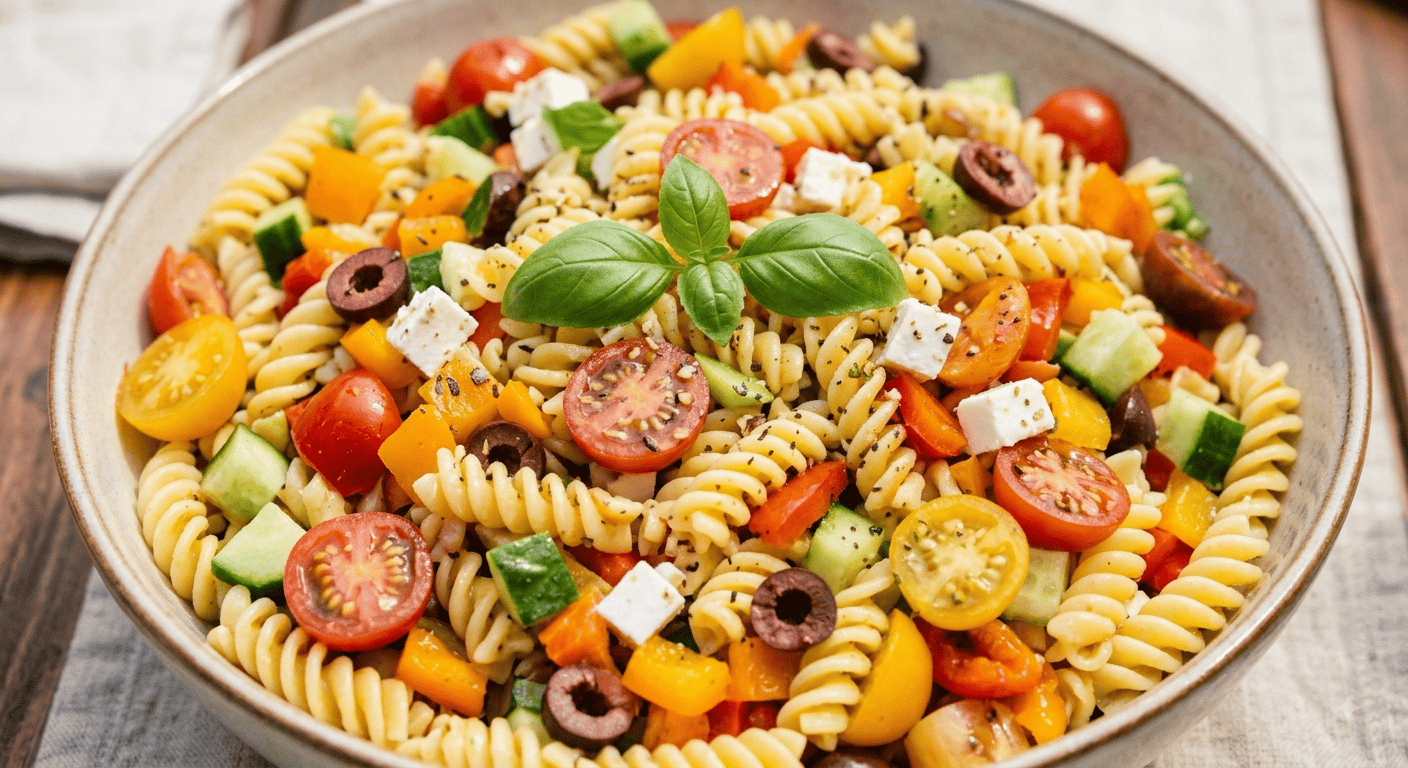
Pasta salad
Pasta salad (Illustration: Gemini)

4. Why don't Italians like breaking spaghetti?

If you've ever broken spaghetti in half so it fits in the pot, you should know that in Italy they probably wouldn't be thrilled with the idea. For many Italians, spaghetti is supposed to stay long, both during cooking and on the plate. So how do you get it into the pot? Simply place it in the boiling water, wait a few seconds until the bottom part softens, and gently push the rest in. And while we're talking about eating rules, cutting spaghetti with a knife is also something that's not really accepted in Italy.

5. Eating spaghetti with a spoon? Italians prefer not

Know the method where you place the spaghetti on a spoon and roll it with the fork? Well, despite being common in quite a few countries, in Italy the accepted way is actually to use only a fork. Italians tend to roll a small amount of spaghetti on the fork and eat it without the help of a spoon. Of course, no one will really stop you if you use a spoon, but if you want to eat like locals in a Rome restaurant, you should know the custom.

6. There are pastas to which it's not customary to add parmesan

We're used to thinking that parmesan upgrades almost any pasta dish, but in Italy not everyone would agree. According to Italian culinary tradition, grated cheese is generally not added to pastas containing fish. The reason is that the dominant taste of the cheese might overpower the delicate flavors of the dish. It's not a law, and there are also chefs who think differently, but in traditional Italian restaurants they won't always rush to offer you parmesan alongside pasta with fish.

7. The US president who fell in love with pasta

Long before pasta became a common food in the United States, it had a particularly famous admirer: Thomas Jefferson, the third president of the United States. During his stay in Europe he was exposed to macaroni and became so enthusiastic about the food that he also took an interest in machines for making it. Jefferson even left behind a sketch of a machine for making macaroni, which is preserved in his historical documents. Who would have believed that one of the US presidents devoted time to the world of pasta as well?

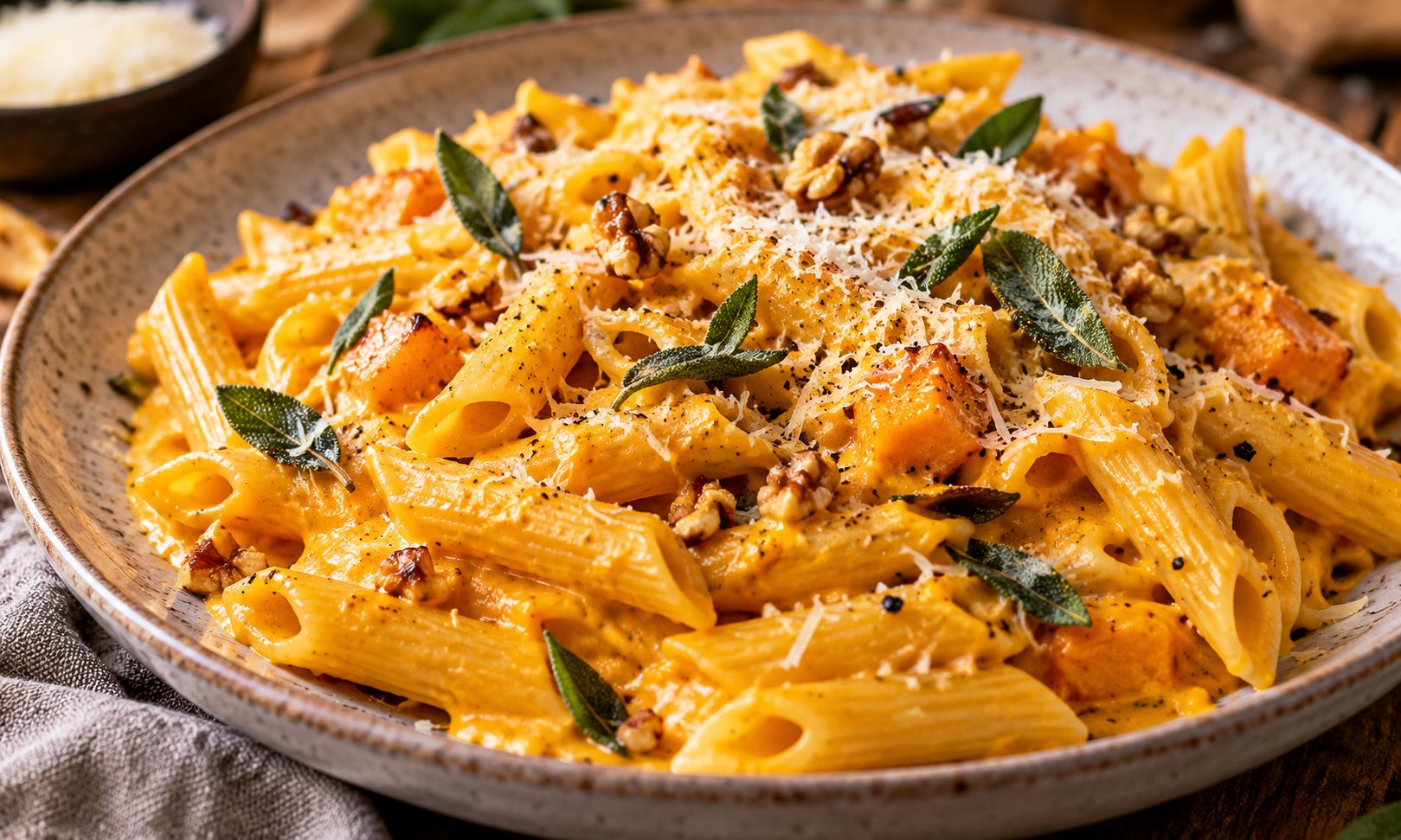
Pasta
Pasta (Illustration: AI)

8. A pasta factory operated by a horse

Today pasta factories use sophisticated machines capable of producing enormous quantities in a short time. But in the 19th century things looked completely different. One of the early pasta factories in the United States, established in Brooklyn in 1848, used the power of a horse to operate the machines. The pasta produced at the factory was dried in the sun. Not exactly the production line we know today, but certainly a creative solution for the period.

9. Does pasta really make you fat?

Pasta has suffered for years from an image as a fattening food, mainly because of the amount of carbohydrates it contains. But the truth is a bit more complex. Pasta by itself doesn't necessarily cause weight gain, and everything depends on the amount you eat, the overall menu and what you add to the plate. There's a difference between a pasta dish with vegetables and olive oil and a large portion containing generous amounts of cream, butter and cheeses. In addition, pasta cooked to al dente may have a more moderate effect on blood sugar levels compared to overcooked pasta. So you don't have to give up pasta to maintain a balanced diet.

10. The world produces millions of tons of pasta per year

If it seems to you that everyone eats pasta, you're not far from reality. According to data from the International Pasta Organization, in 2024 about 17 million tons of pasta were produced around the world. Italy continues to be one of the leaders in the field, both in production and in consumption per capita, but pasta has long since stopped belonging only to Italians. It has become a beloved food in almost every corner of the world, with local versions, different sauces and countless ways to prepare it.

Ready for more?

Join our newsletter to receive updates on new articles and exclusive content.

We respect your privacy and will never share your information.

Enjoyed this article?

Yes
No
Follow Us:

Unmissable content


Loading comments...

Also of Interest