"Off the Table": Tehran’s Defiant No to Rubio’s New Nuclear Conditions
U.S. Secretary of State Marco Rubio’s insistence on including ballistic missiles and terror funding in Friday’s summit has reportedly led to a total collapse of negotiations, with Iran refusing to meet under the new American terms.
A major diplomatic effort to prevent a second regional war has hit a wall as the highly anticipated summit between the United States and Iran, scheduled for this Friday, has reportedly been cancelled. The collapse follows a day of high-stakes posturing, during which U.S. Secretary of State Marco Rubio dramatically expanded the American agenda, demanding that any meaningful deal must address Iran’s ballistic missile program and its support for regional terrorists. While the Trump administration had initially agreed to move the talks from Turkey to the Sultanate of Oman at Tehran’s request, the fundamental disagreement over the scope of the meeting proved to be an unbridgeable gap. Reports from both Washington and Jerusalem now indicate that the diplomatic track has been abandoned, leaving the massive U.S. naval armada in the Persian Gulf as the primary instrument of American policy as tensions reach a breaking point.
Rubio’s Red Lines and the Missile Dispute
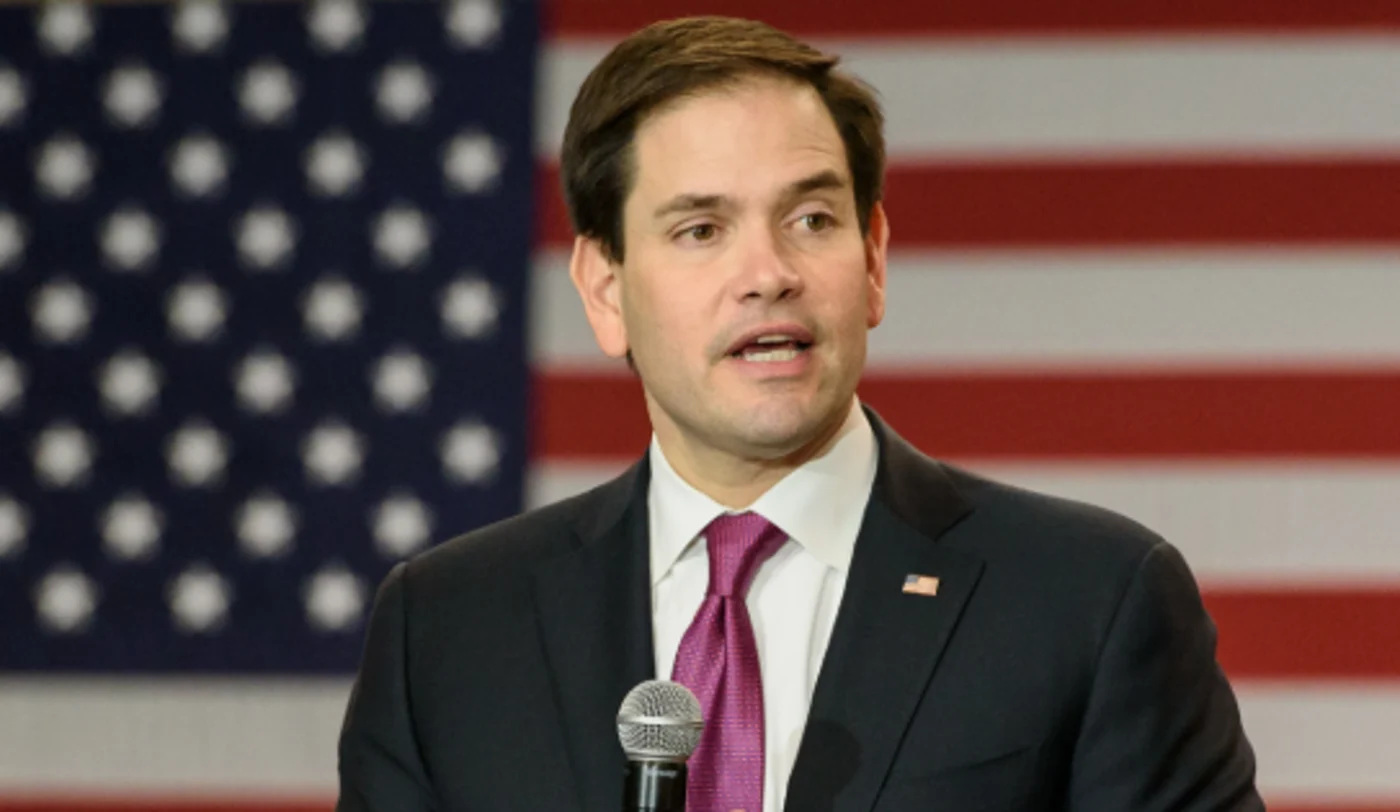
During a press conference in Washington on Wednesday, Secretary Rubio laid out a rigid set of conditions that the Iranian regime has long considered non-negotiable. Rubio stated that for talks to lead to "something meaningful," they must include Iran's ballistic missile range, its sponsorship of terrorist organizations across the region, and the regime's treatment of its own people. This was a significant departure from the narrow nuclear focus that defined previous rounds of diplomacy in Oman. "If the Iranians want to meet, we’re ready," Rubio told reporters, "but we are going to find out if they are serious."
Tehran’s response was swift and uncompromising. A senior Iranian official told international media that the missile program is "off the table" and that the regime would only discuss nuclear enrichment and the lifting of sanctions. Iranian Foreign Minister Abbas Araghchi further poisoned the atmosphere by mocking the U.S. on social media, using old articles by Prime Minister Benjamin Netanyahu to claim that Washington was once again falling into a "war trap" set by Israeli interests. This public hostility, combined with Rubio's new demands, effectively killed the momentum for the Oman summit before it could begin.
From Venue Disputes to Total Collapse
The logistics of the meeting had already been a source of intense friction. Initially planned for Istanbul, Turkey, with several Arab and Muslim nations invited as observers, the Iranians abruptly pulled out of the Turkish forum. They requested a move to Muscat, Oman, seeking a bilateral, "indirect" format that would keep their regional rivals out of the room. While the White House initially signaled it might accede to the venue change to keep the peace, the Iranian demand to strictly limit the agenda to the nuclear file was the final straw.
Sources close to the negotiations report that when the U.S. refused to back down on the inclusion of the missile and terror proxy issues, the Iranian delegation withdrew from the Friday engagement entirely. This failure marks a dangerous return to the "logic of power" that defined the 12-day war last June. With diplomacy now sidelined, the focus has shifted back to the military theater, where U.S. and Israeli intelligence officials have been coordinating defense plans. The reported cancellation of the talks suggests that the "diplomatic trap" the Iranian press warned about has been replaced by a much more direct and lethal confrontation.