The Israeli government is currently weighing a significant and painful decision regarding the annual Lag BaOmer pilgrimage to the tomb of Rabbi Shimon bar Yochai (Rashbi) in Meron.
According to security assessments, there is a strong inclination to cancel the traditional mass gathering and the central bonfire lighting ceremonies due to the severe threat of rocket fire from Lebanese territory. Defense officials warn that the Meron complex, situated in the Upper Galilee, remains a high-priority target for Hezbollah, posing an immediate danger to the tens of thousands of worshippers expected to attend.
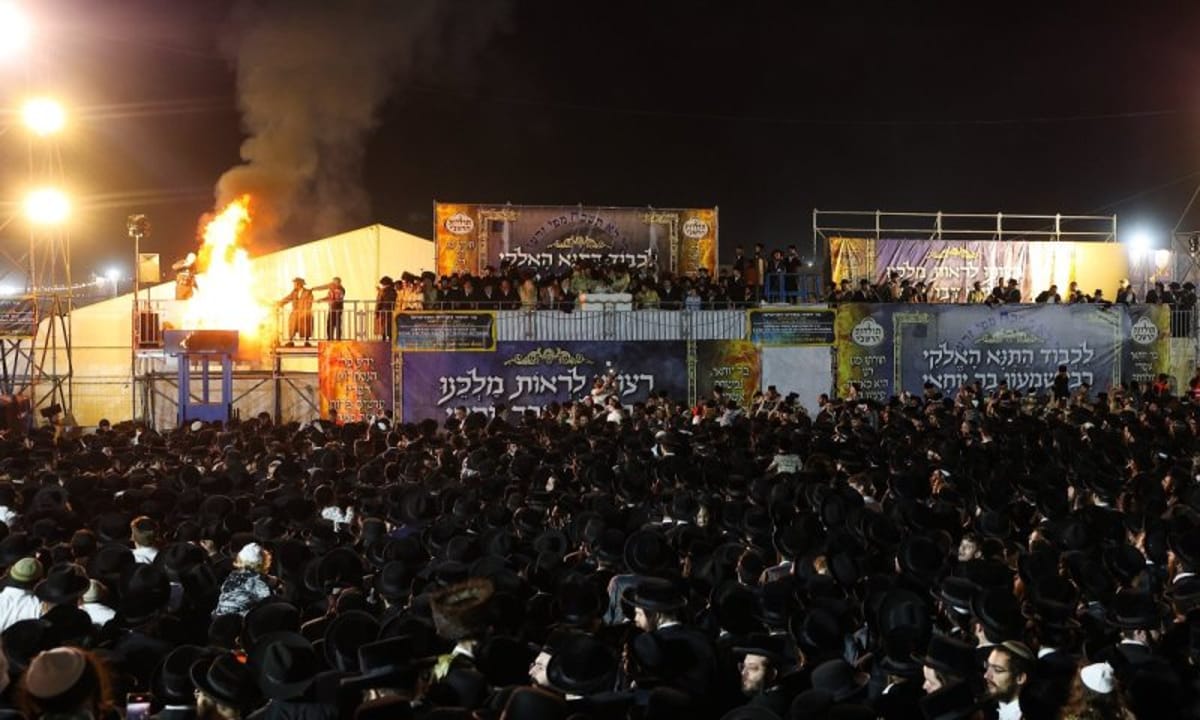
The site of the Rashbi's tomb has a deep and storied history, serving as a spiritual beacon for centuries. The current structure, characterized by its distinctive blue domes and fortress-like walls, was largely developed during the Ottoman period, with significant contributions from the Jewish community of Safed in the 16th century. Historically the pilgrimage on Lag BaOmer, the anniversary of the Rashbi's passing, has evolved from a small local gathering into one of the largest annual events in the Jewish world. The Hasidic lighting ceremony symbolizing the light of the Zohar and the resilience of the Jewish spirit.
The tomb complex in the village of Meron has become the primary focal point for Haredi and Hasidic pilgrims who flock to the Galilee every year during the night and day of Lag BaOmer. For these visitors, the "Hilula" is a peak spiritual event involving dancing, prayers, and the "Upsherin" ceremony for three-year-old boys. However, the atmosphere surrounding the event has shifted dramatically in recent years, as the site transitioned from a place of pure celebration to one of intense scrutiny regarding public safety.
Since the horrific tragedy in 2021, where 45 people lost their lives due to severe overcrowding and safety failures, the site has been under constant review. Despite numerous warnings about significant safety hazards in the complex, every year brings a recurring fear of another disaster.
This year, the threat is twofold: beyond the structural and logistical dangers, the immediate risk to human life from Hezbollah's unremoved missile threat has made the traditional gathering a potential death trap, forcing the government to prioritize survival over tradition.