
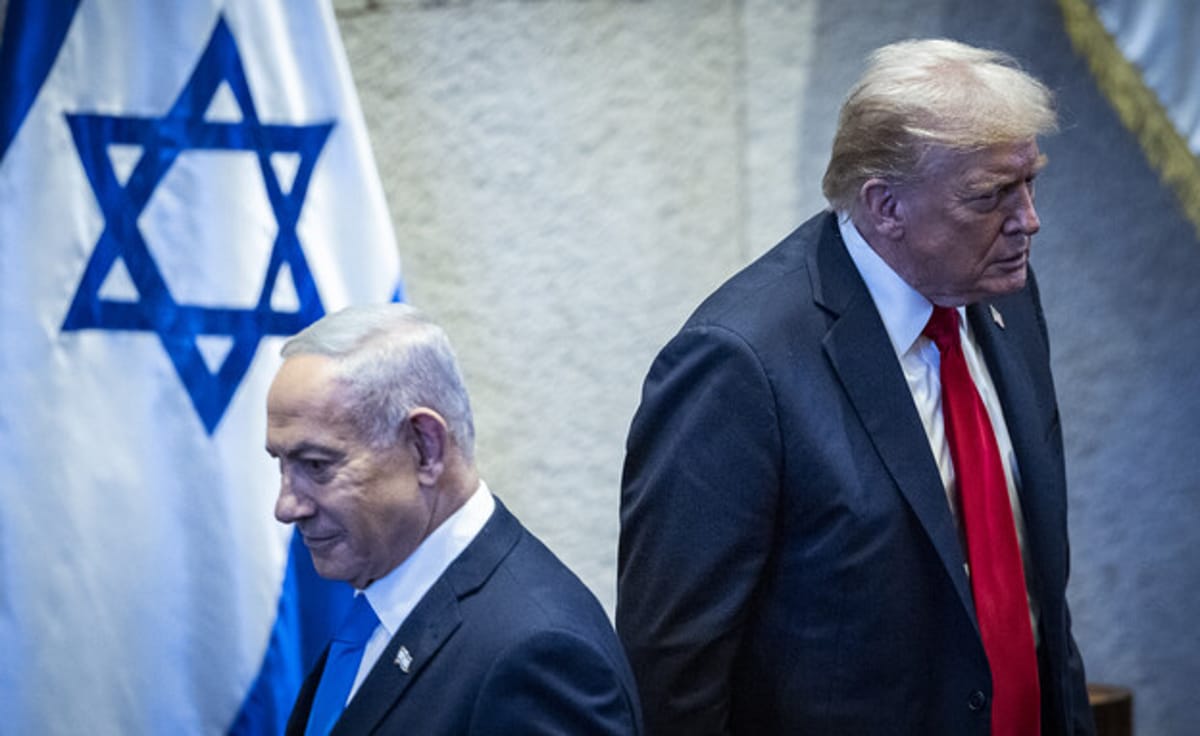
As the smoke begins to clear from the battlefields of the Second Iran War, a disturbing reality is emerging for the Israeli defense establishment.
Despite significant operational risks taken during operations "Lion’s Roar" and "Epic Fury", Israel finds itself sidelined, ignored, and unappreciated by its closest ally.
Excluded from the Table
Senior Israeli security officials are voicing unprecedented anger over being completely marginalized in the ongoing negotiations between the United States and Iran.
According to a high-ranking official, Israel is often kept in the dark about where the talks are even taking place or who is involved. "In Lebanon, we act with restraint because of the Americans, but regarding Iran, we simply don't know where it’s heading," the official stated.
The failure to topple the Iranian regime, a goal clearly outlined in original military documents and high-level presentations, has led to a blame game between Washington and Jerusalem. Consequently, the U.S. has essentially barred Israel from the decision-making table regarding the war's conclusion.
A Snub on the Global Stage
The frustration reached a boiling point following a recent summary speech by the U.S. Chairman of the Joint Chiefs of Staff. While the American general meticulously thanked various units, logistics branches, and Gulf partners by name, he pointedly omitted any mention of Israeli forces or leadership.
For Israeli intelligence, this was a calculated insult. "Nobody kills the leader of a sovereign nation without the intent to topple the regime," a senior intelligence source noted, referring to the ambitious plans presented to President Trump earlier this year. The source added that if the regime change had succeeded, Jerusalem would likely be a welcome partner at the table today.
The "Third Scenario"
With Israel excluded from the formal diplomatic process, many in Jerusalem are now bracing for a "Third Scenario": a return to the status quo.
This would involve a "quiet for quiet" arrangement in the Persian Gulf with no formal agreement and no continued fighting.
While some Israeli officials view this as a necessary evil that allows Israel to strike again in the future, others warn it is a dangerous return to the "rounds of violence" strategy that failed on October 7th.
As it stands, Israel remains the only major player with everything to lose and no seat at the table to protect its interests.