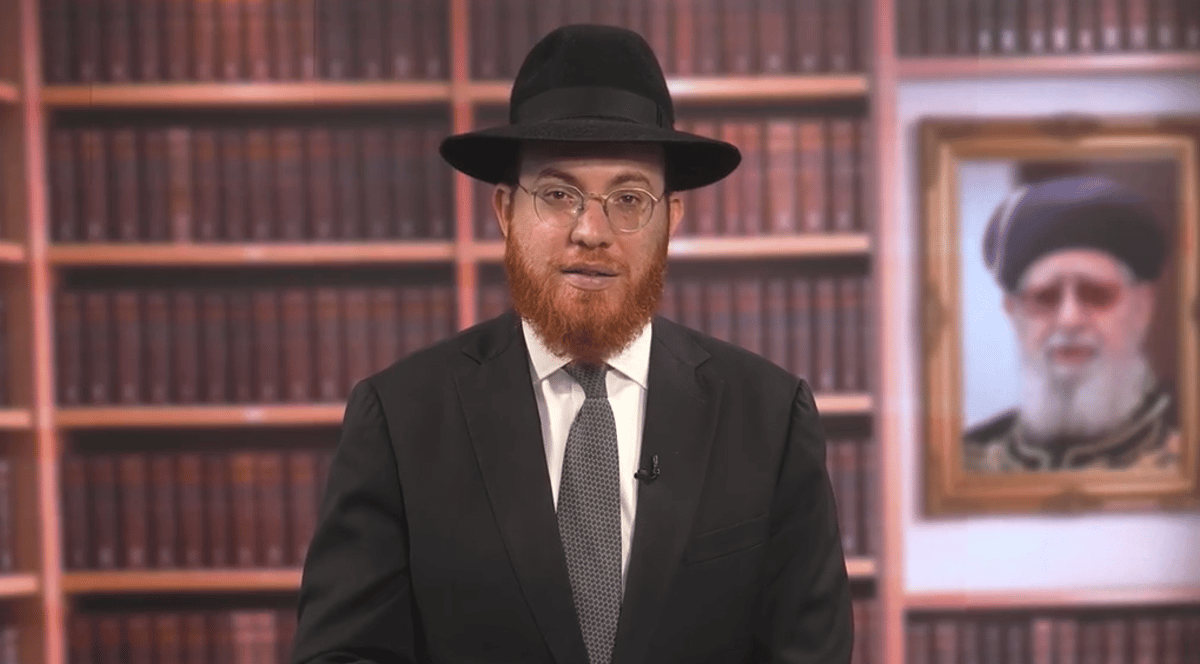
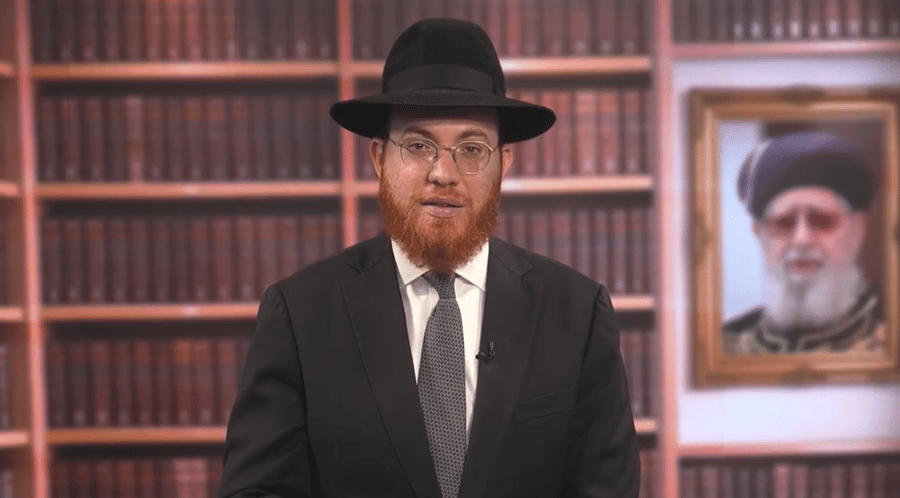
In a halachic address delivered to viewers on Election Day, Rabbi Sini called on the public to head to the polls, describing the day as one of “fateful hours for Klal Yisrael and for the Torah world.”
He recalled the deep concern Maran zt"l felt on election days, noting that he would personally make phone calls to persuade and encourage people to bring in every possible vote, both to strengthen Torah and to prevent a public chillul Hashem.
Citing the pasuk in Parshas Emor, “You shall not desecrate My holy Name, and I shall be sanctified among the Children of Israel,” he explained that the Torah contains both a prohibition against chillul Hashem and a positive commandment to sanctify Hashem’s Name, which Rabbeinu Yonah describes as the very purpose of Creation. By contrast, he noted, Chazal teach in Maseches Yoma that chillul Hashem is a sin without atonement in this world.
Voting to strengthen Torah, he said, is a kiddush Hashem, while a weakening of the honor of Torah and its gedolim would be a grave chillul Hashem.
He quoted Maran zt"l as saying that no one in this generation can rule against voting, and that anyone who does “does not understand the reality” and the harsh decrees that could follow if the Torah’s representatives were weakened. Even a scholar who brought proofs to the contrary, Maran said, would be overruled by the principle of following the majority, since the overwhelming majority of gedolei Yisrael since the founding of the state have held that voting is an absolute obligation.
For that reason, he said, Maran ruled that one interrupts Torah study on Election Day to take action, and that even an avel during shivah, who ordinarily may not leave his home, goes out to vote wearing cloth shoes.
He also cited Maran’s warning, repeated in every election campaign, that those who stay home out of personal grievances, to settle scores, or who vote against the instructions of gedolei Yisrael “will have to give an accounting.”
Drawing on Sefer Shoftim, he recalled how Devorah HaNeviah cursed the city of Meroz for failing to come to Barak’s aid against Sisera, even though the battle had already been won. “Even if we have complaints and grievances, this is not the time to stay silent,” he said. “This is a time-bound mitzvah.”
He urged young and old to reach out to relatives, friends, and neighbors and encourage them to vote, “not for the honor of any individual,” but l’sheim Shamayim.
“May we merit, b’ezras Hashem, to see this very night the glory of Torah and of those who learn it raised high,” he concluded.