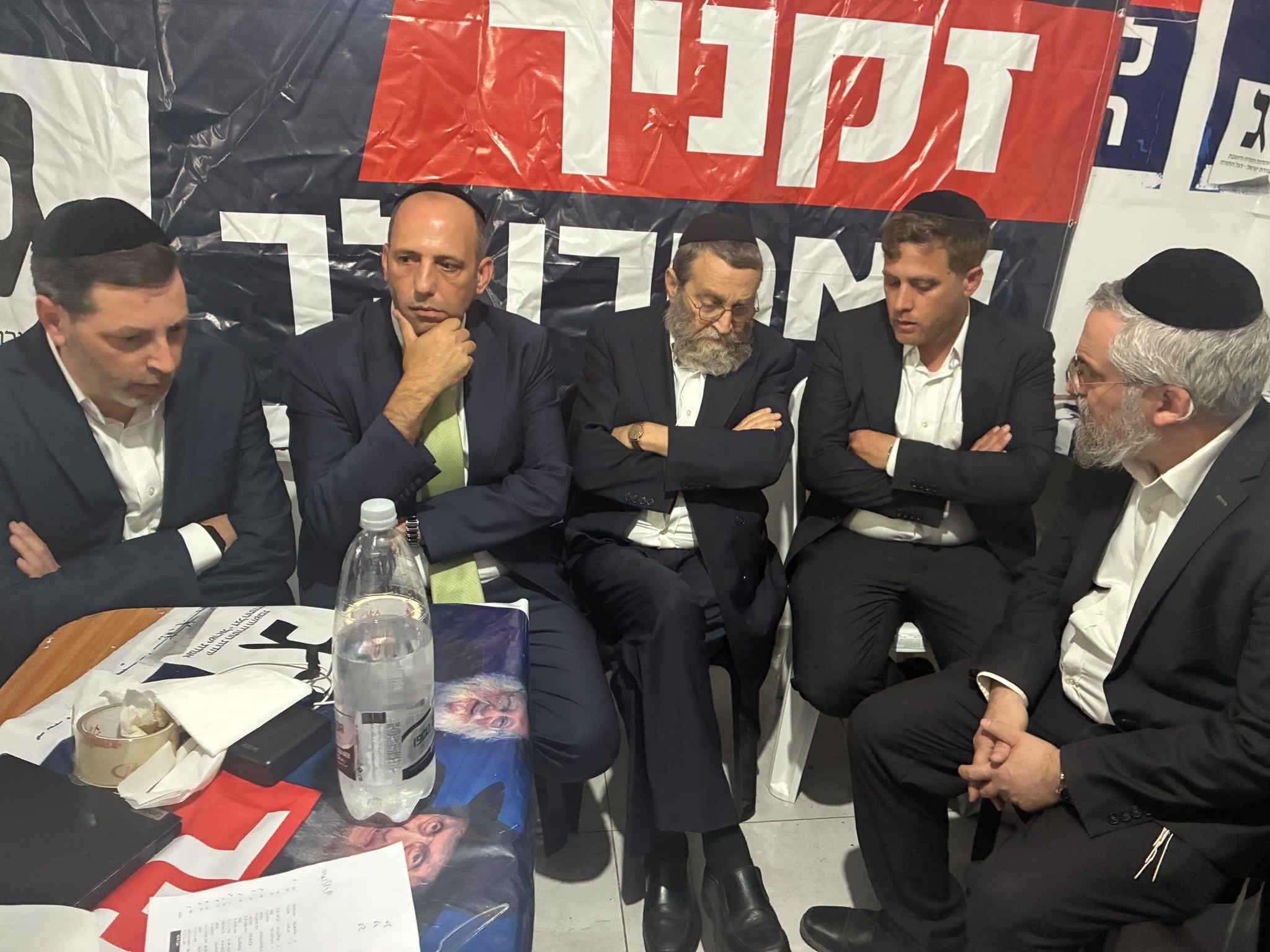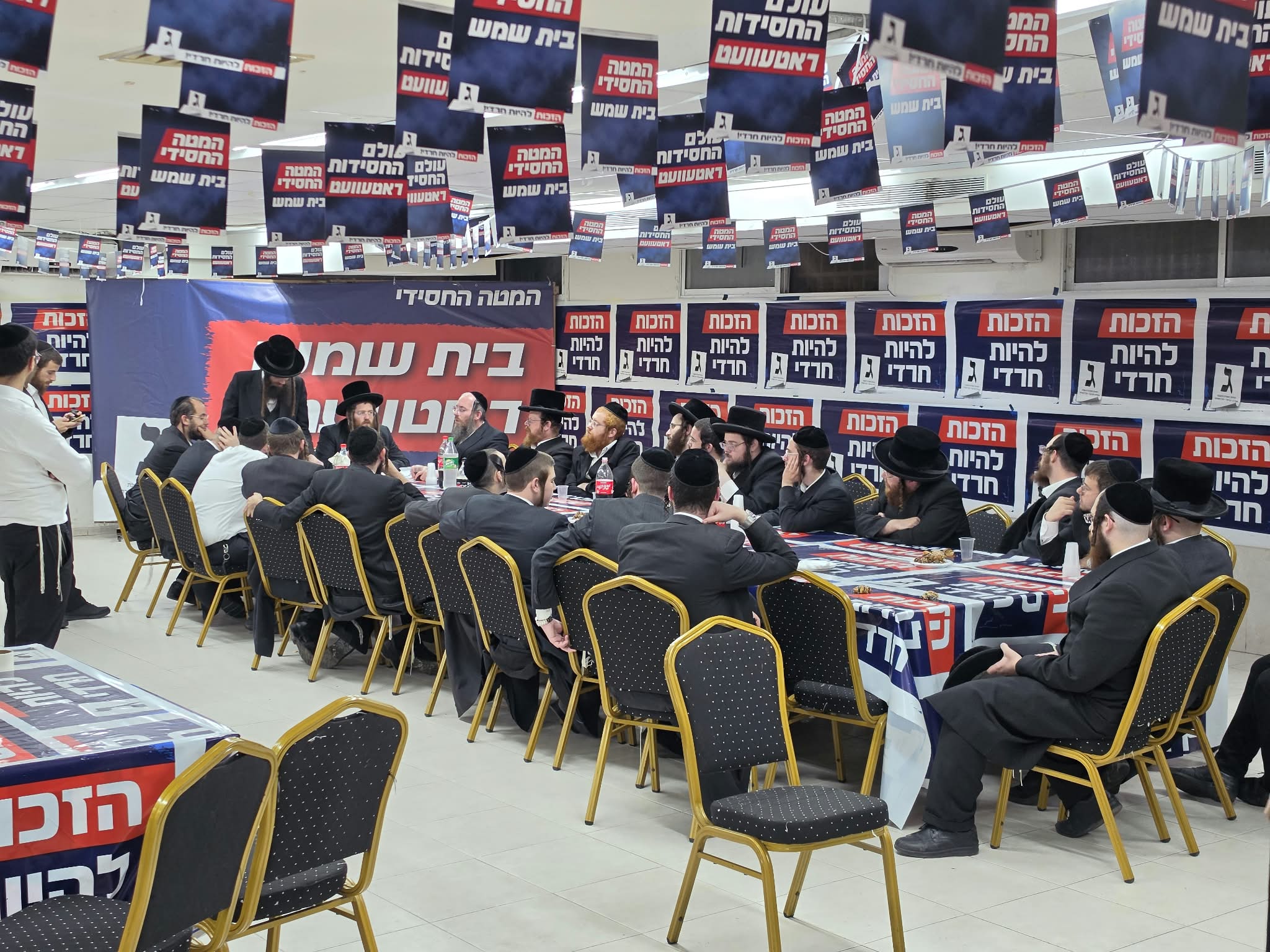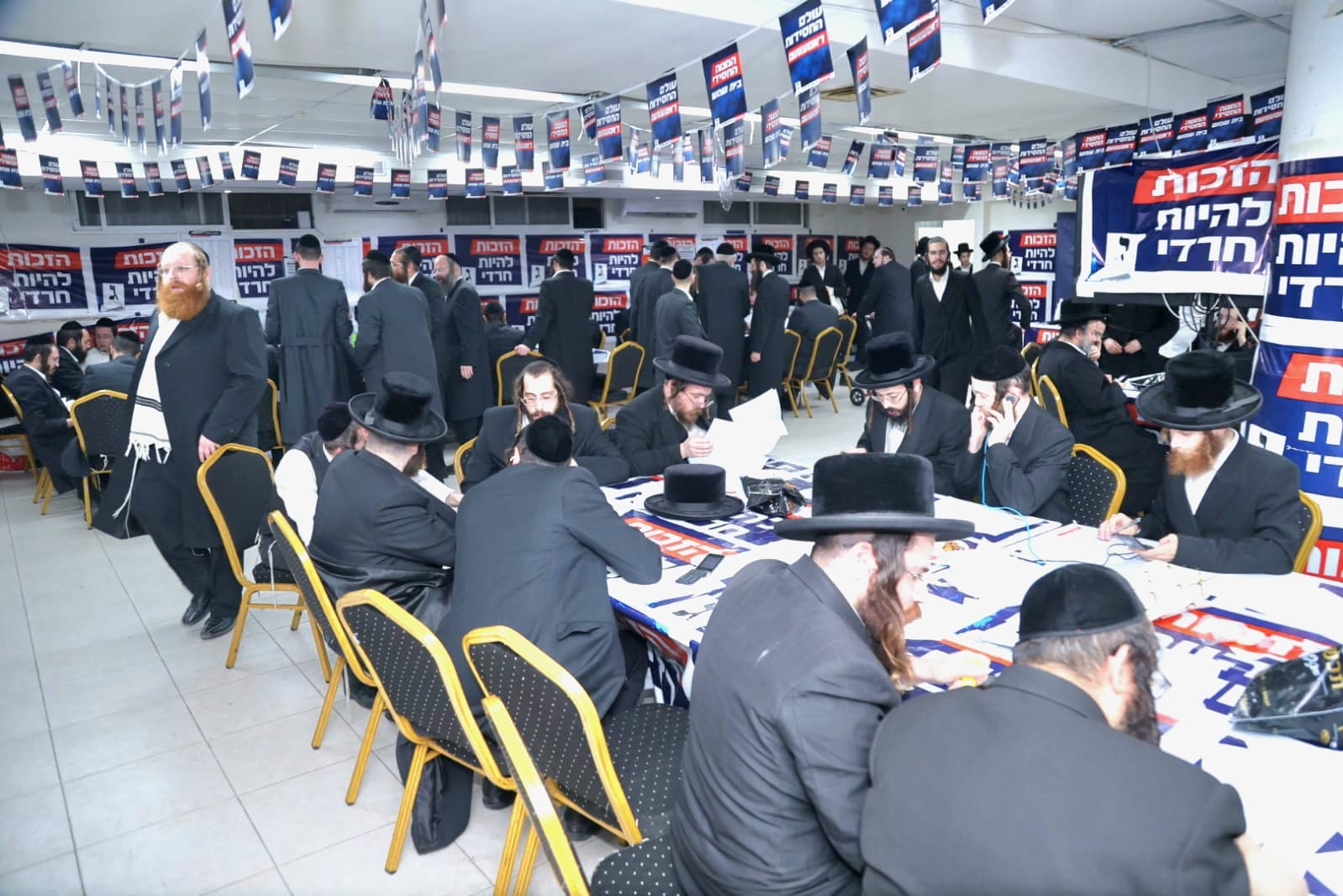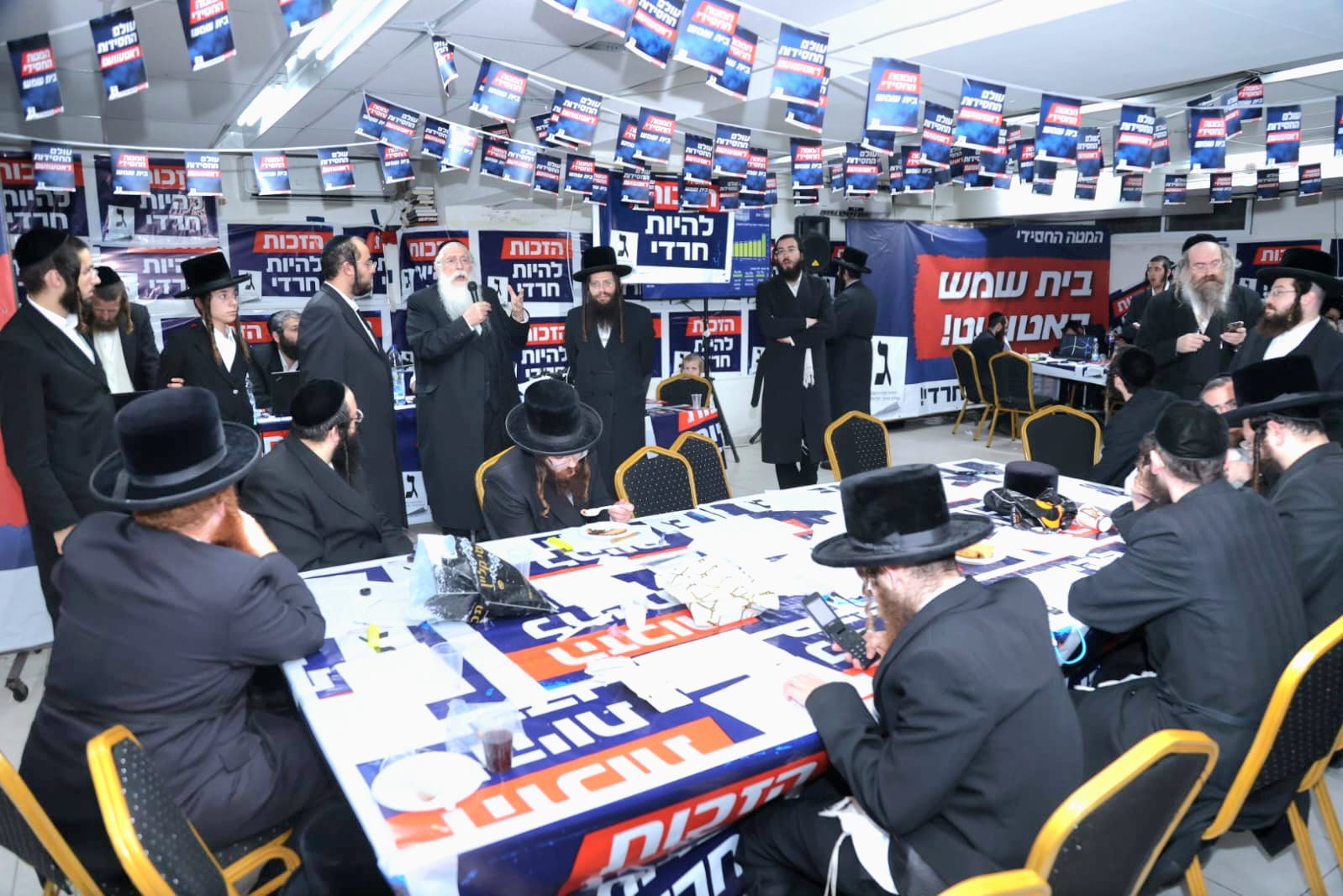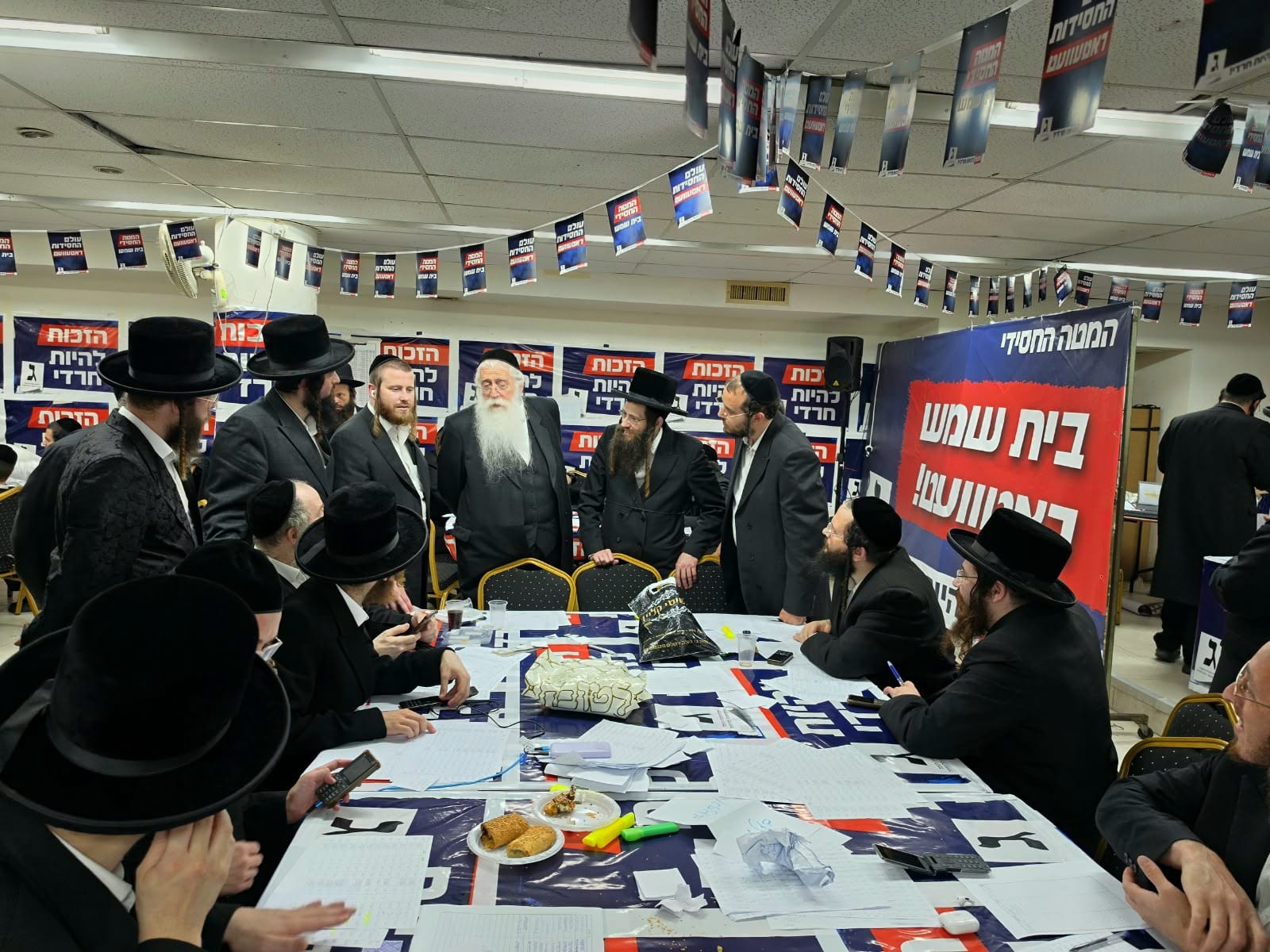
United Torah Judaism received 26,858 votes in Beit Shemesh before the double-envelope count, a 35% increase over the previous election and well past the 25,000-vote target set at the start of the campaign. The result came after a day on which the chareidi public turned out in force to fulfill the directive of gedolei Yisrael.
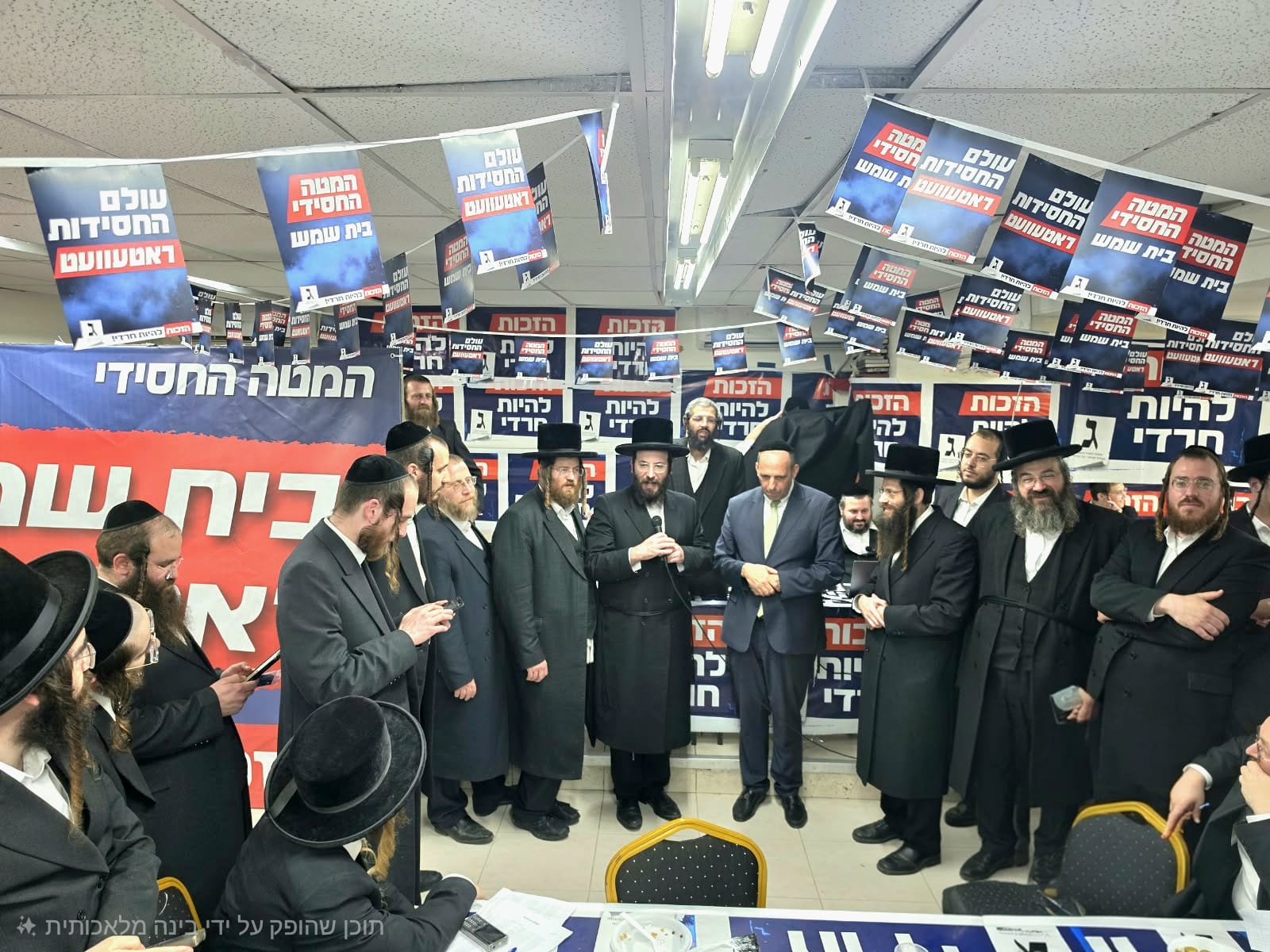
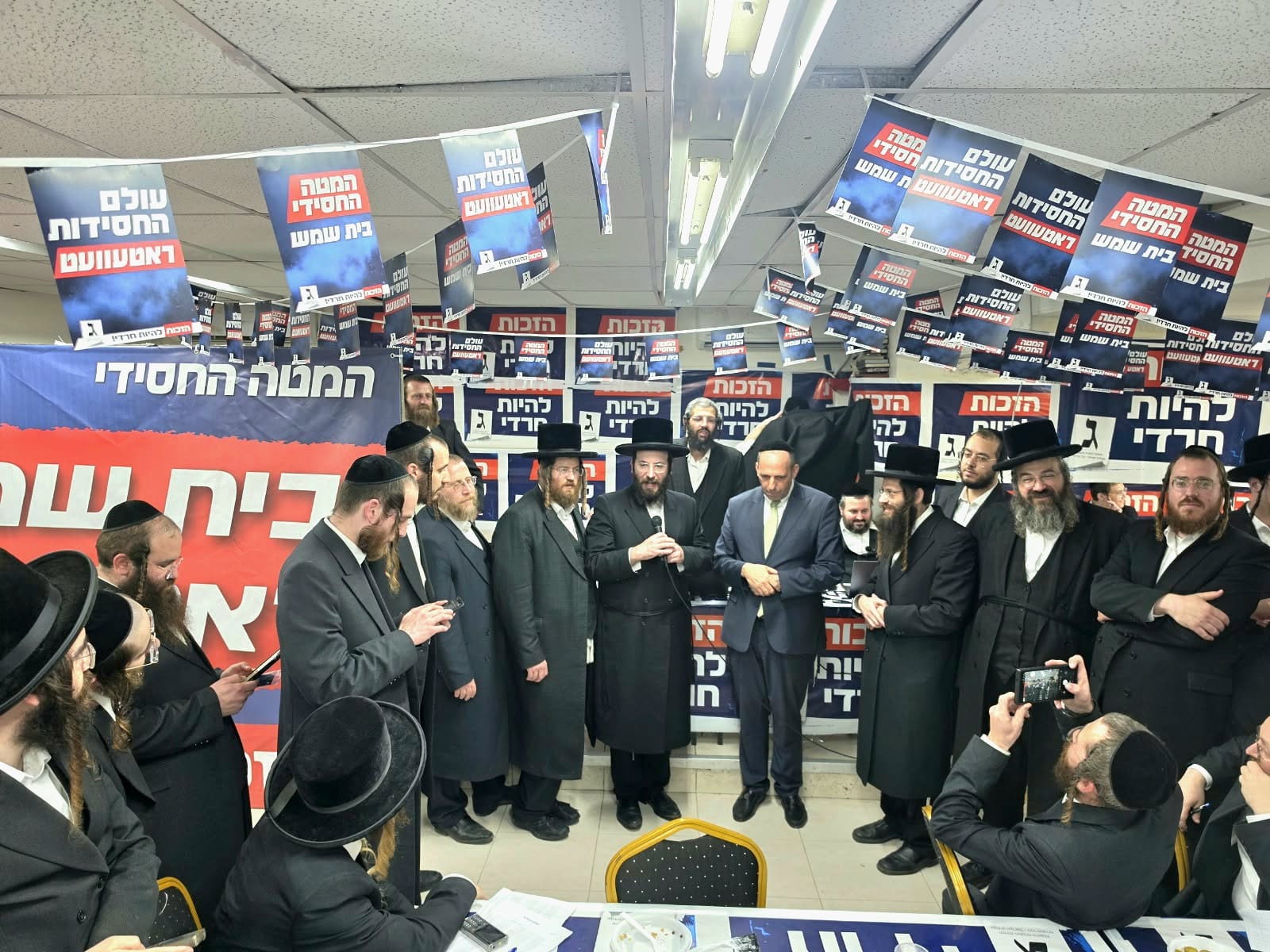
Much of the credit goes to the city’s chassidic campaign headquarters, working closely with Mayor Shmuel Greenberg. Their success came despite internal tensions within the local Degel HaTorah operation, and grew out of a court-driven change in how election headquarters could operate, and a technological solution born in Beit Shemesh that spread to other cities.
A new reality on election day
Ahead of the election, chareidi campaigns faced a major change. Following a decision by Central Elections Committee Chairman Justice Noam Sohlberg, party headquarters could no longer receive information from polling stations about which voters had already cast ballots. Campaign teams that had long relied on this data to target their efforts had to find another way.
At a national meeting of the chassidic campaign, Shimon Goldberg, chairman of the chassidic faction in Beit Shemesh, proposed a solution: rather than relying on data from polling stations, voters would report for themselves that they had voted. The initiative was called “Chapak Hitzba’ati,” or “I voted.”
Goldberg, who worked closely with Mayor Greenberg, guided the project from concept to implementation. Beit Shemesh ran the pilot, and Beitar Illit and Ashdod later joined.
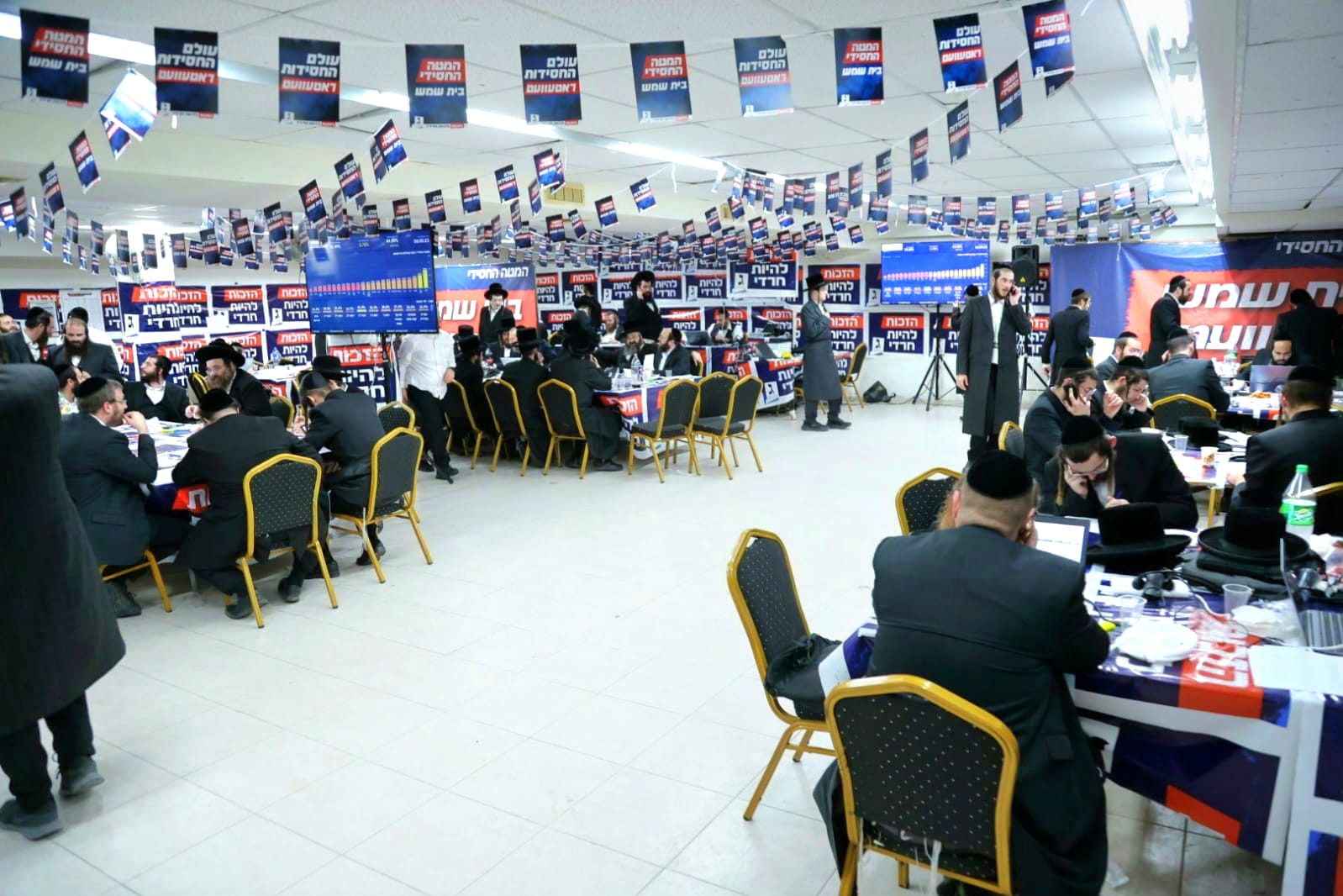
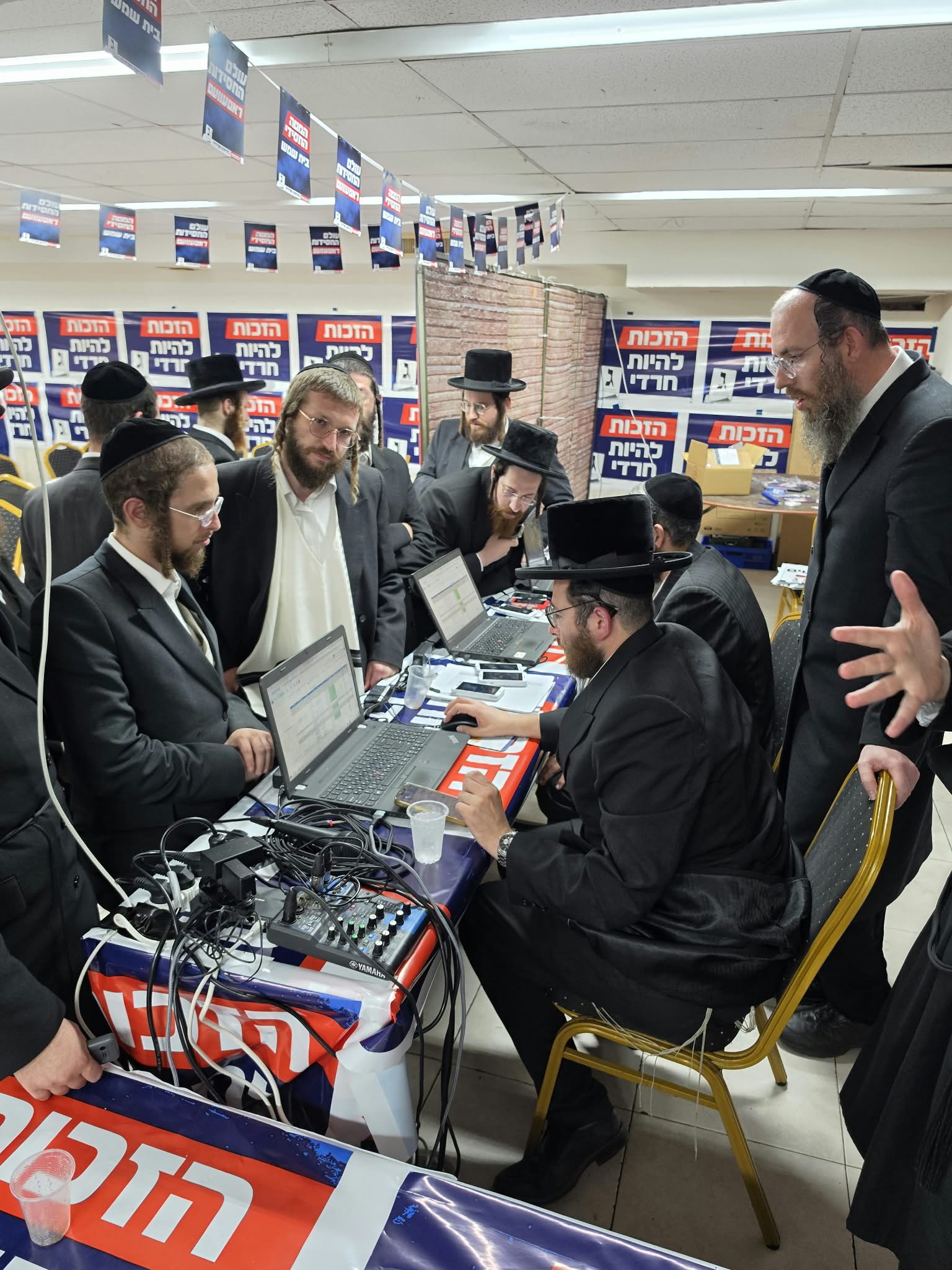
On election day, blue tents were set up outside the polling stations where chassidic voters cast their ballots. Voters could report by phone, on their mobile devices, with cards bearing one-time codes or by giving their details to Chapak representatives. The data fed into a central control system, displayed on large screens that showed reporting rates by kehillah and neighborhood, down to residential areas within each kehillah. The system was based entirely on voluntary reports, not official data from the polling stations.
Goldberg also recorded a phone message to the chassidic public from his personal number, explaining the change and the importance of self-reporting so that kehillah leaders could focus on those who hadn’t yet reported. A second, urgent message went out as the polls neared closing.
Inside the headquarters
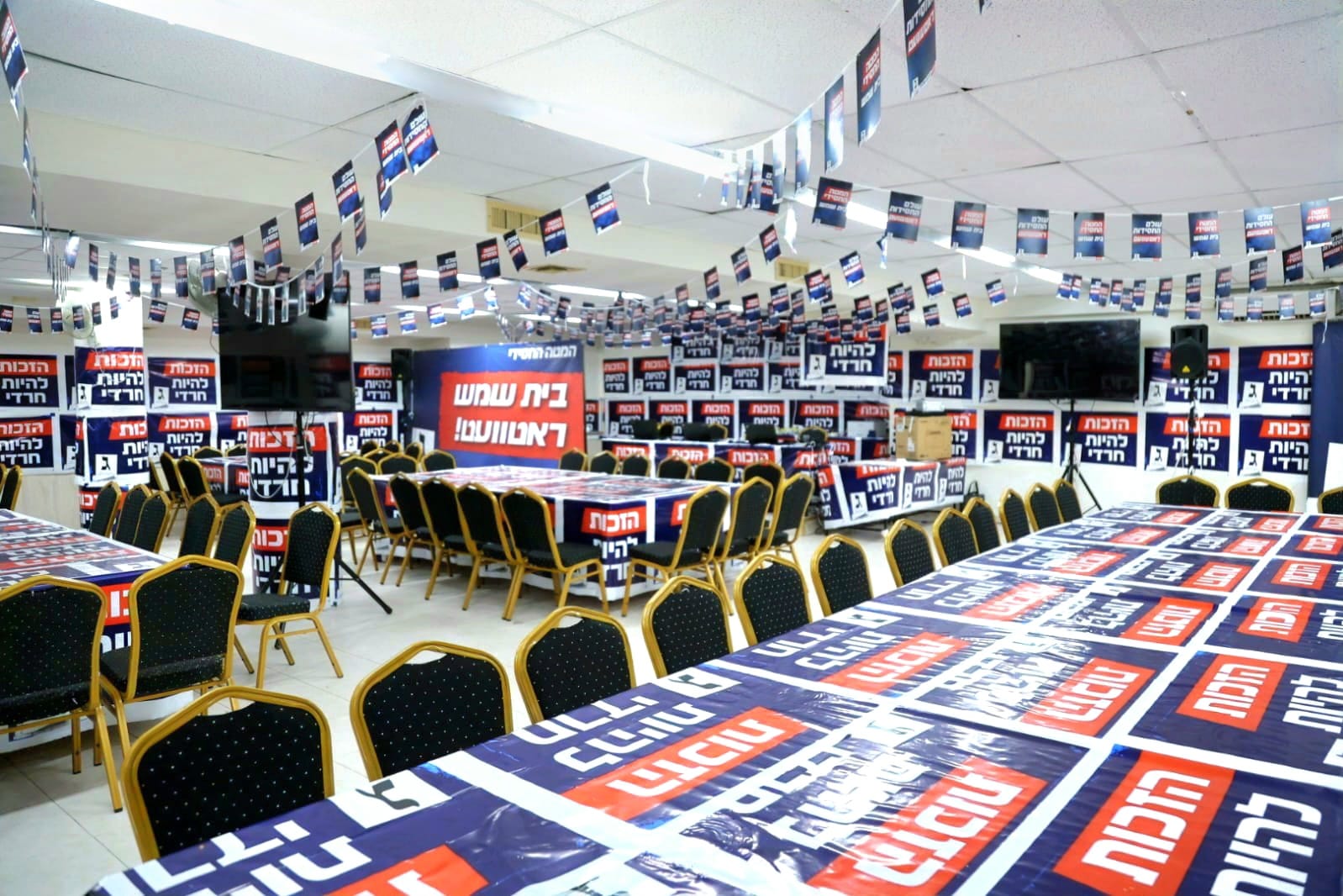
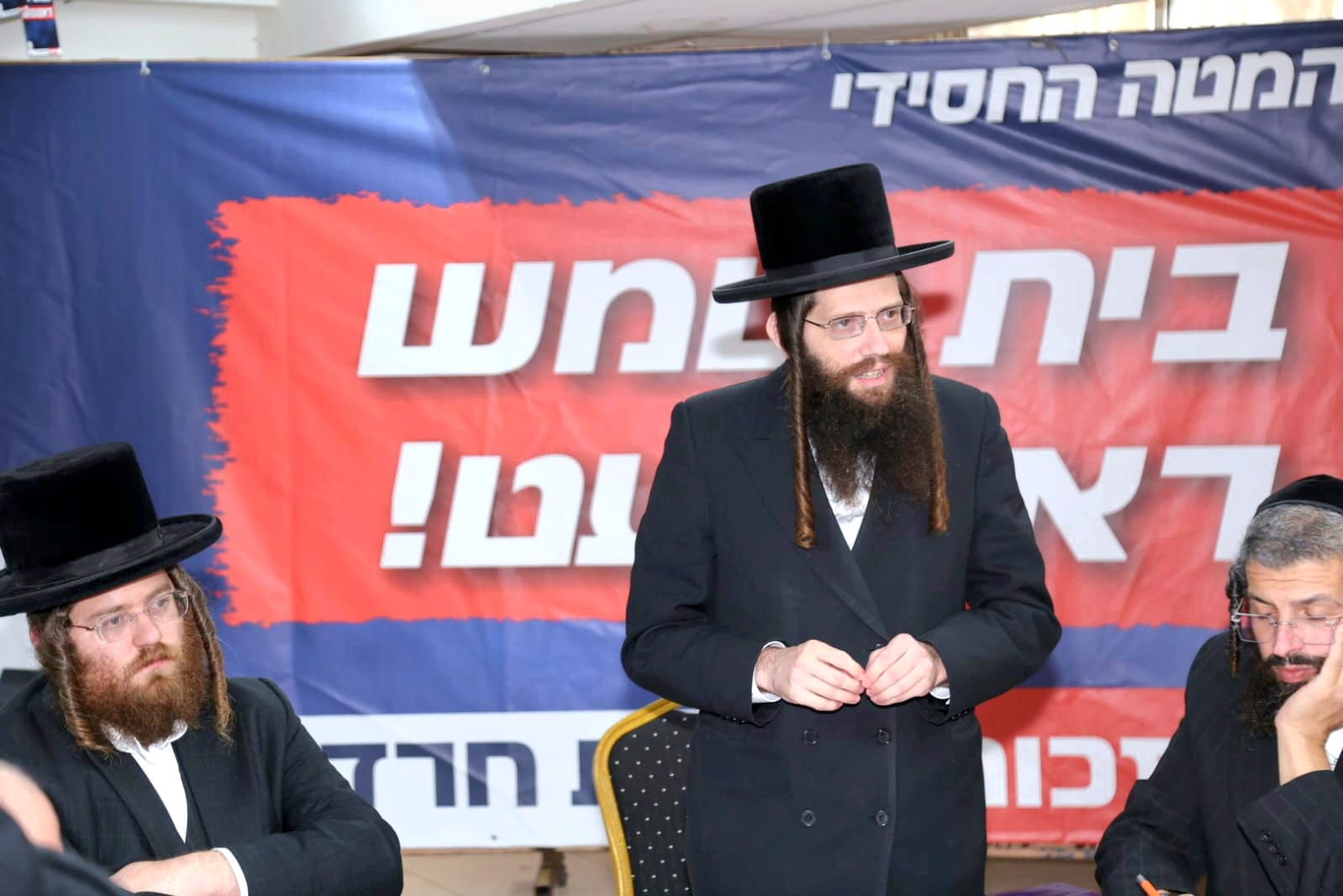
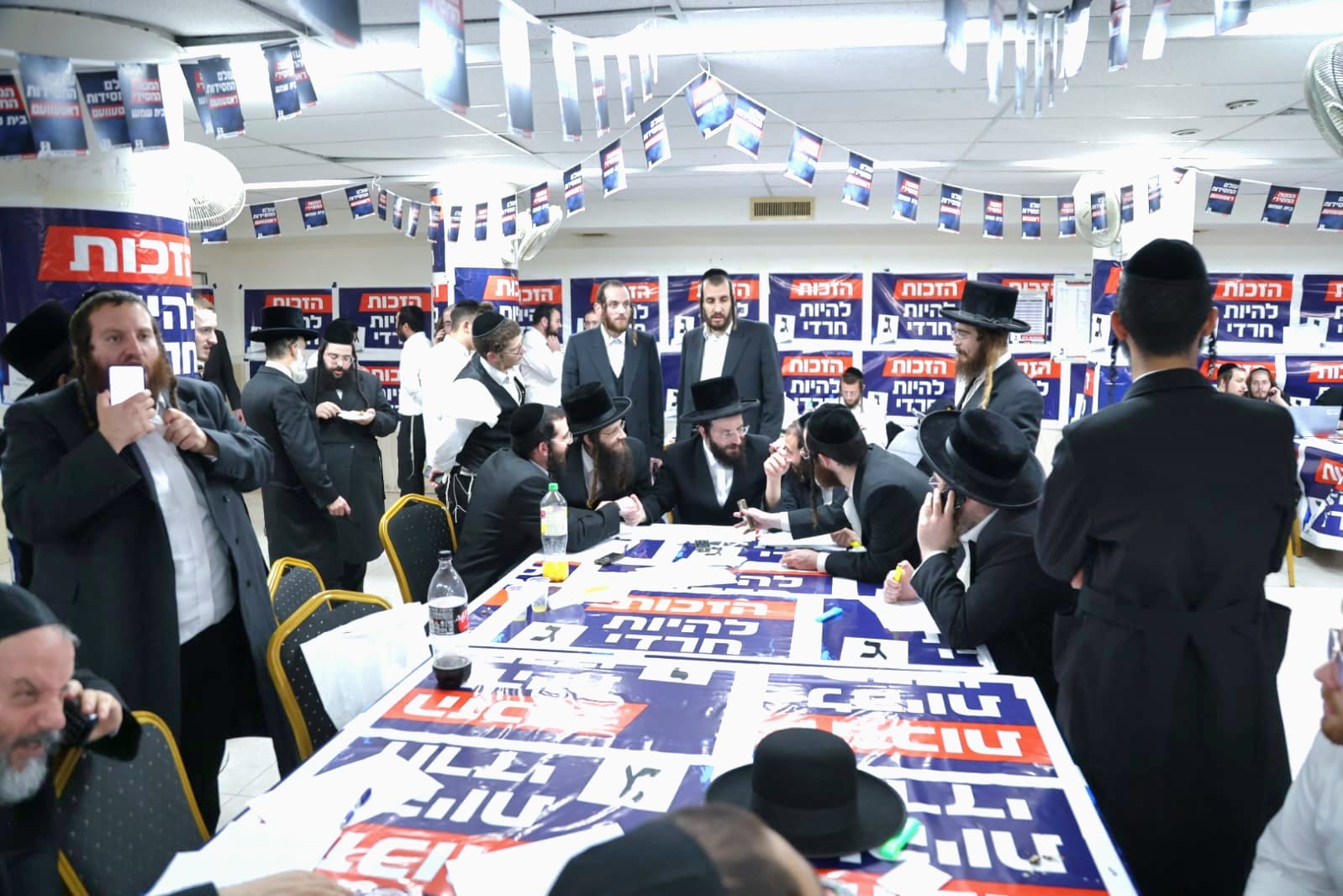
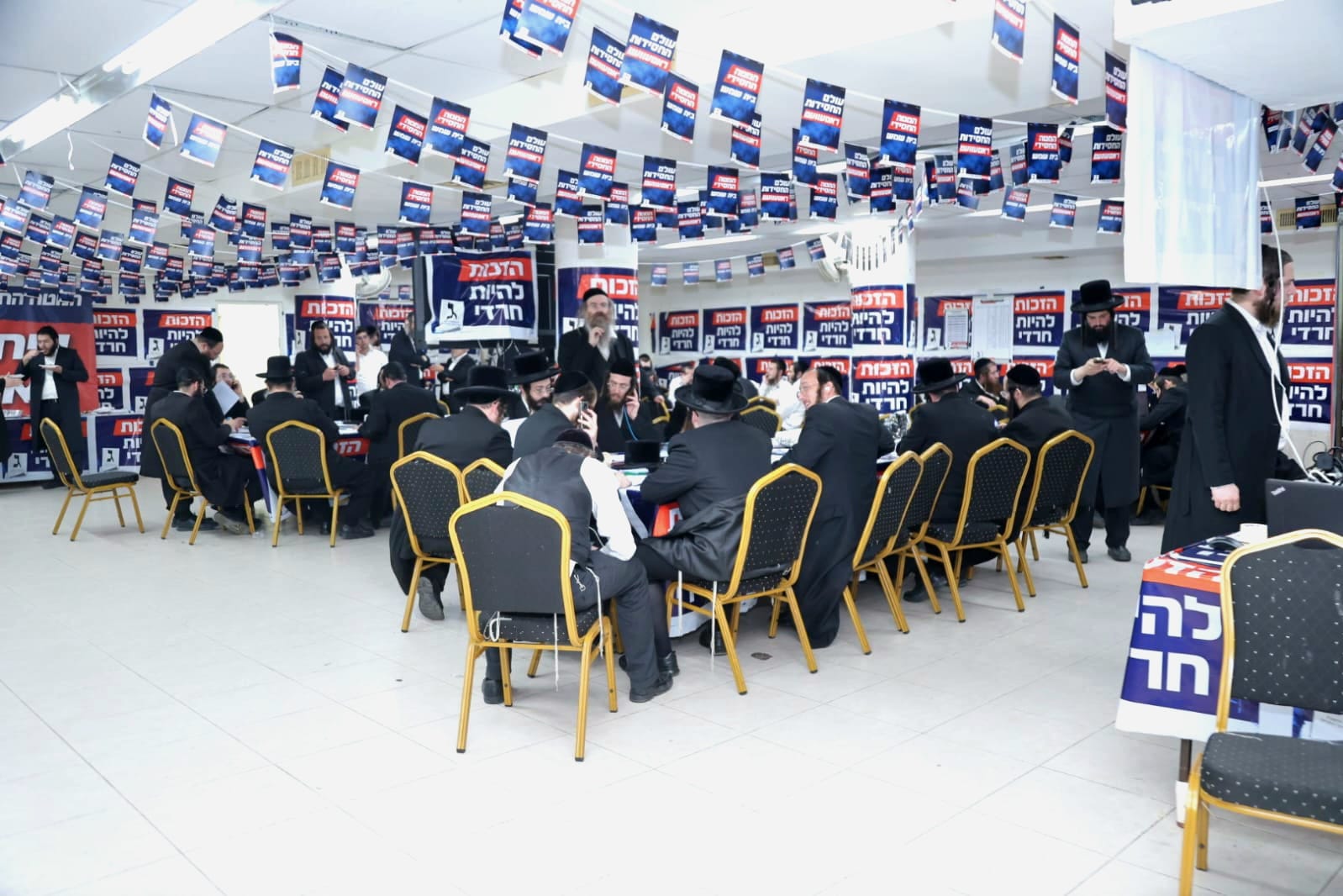
In the main headquarters hall on Sfas Emes Street, more than 150 chassidic kehillah heads and representatives monitored the data and contacted their members. A separate phone operation served chassidim outside the organized kehillos, so that they could be contacted personally as well.
A large volunteer network stood behind this operation. Faction member Yeshaya Weissman worked with shul rabbanim, kollel heads and kehillah leaders to recruit avreichim to volunteer between learning sessions. A dedicated registration system let each volunteer choose his hours, neighborhood and type of activity, so that an avreich learning in the morning could help in the afternoon or evening, and those with cars could join the transportation network.