The results of last month’s election have reshaped the political reality for the Haredi public and its Knesset representatives in a way not seen in a generation.
United Torah Judaism, which won seven seats, declined to recommend any candidate to President Isaac Herzog, a sharp break from its longstanding alliance with Prime Minister Benjamin Netanyahu. Herzog is set to hand Gadi Eisenkot the mandate to form a government after he received 67 recommendations. Netanyahu’s bloc won 53 seats, eight short of a majority.
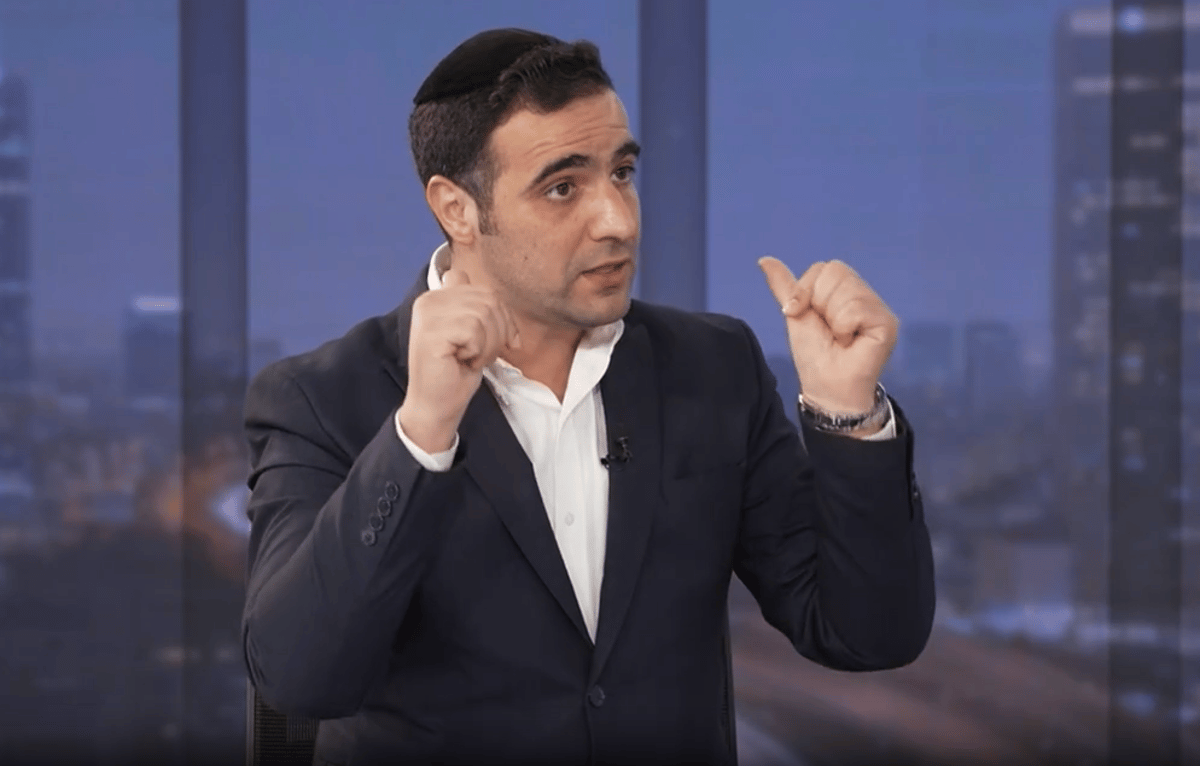
Kikar HaShabbat political analyst Yishai Cohen sat down in the studio to examine the new balance of power and what it means for UTJ and Shas.
According to Cohen, for the first time in roughly two decades UTJ is not automatically standing with Netanyahu, making it the swing vote of the entire political system. Leaving the traditional bloc gives the party significant bargaining power, he said, but also heavy responsibility and a critical test of whether it can deliver.
The central question now facing the Torah world is whether that new standing will produce a historic achievement: a stable, agreed-upon draft law that secures the status of yeshiva students.The open question is what Shas chairman Aryeh Deri will do next: whether he will maneuver between the blocs or hold to a separate political path.
Whatever Deri decides, the Haredi parties now hold more leverage than they have in years. But leverage is only as valuable as what it produces. If UTJ walks away with a draft law that secures the yeshiva world for years to come, this election will be remembered as a turning point. If it doesn’t, the party will have given up its place beside Netanyahu and gained nothing in return.