U.S. Secretary of War Pete Hegseth published a post earlier today (Tuesday) honouring the chaplains of the U.S. Army, in which he recalled the bravery of four chaplains in 1943, among them a Jewish rabbi.
"On this day in 1943, four chaplains of the U.S. Army paid the ultimate price. They came together to comfort the 902 servicemen aboard the USAT Dorchester as it sank after being hit by a German torpedo, only 230 survived," Hegseth wrote.
The Voyage of the Dorchester
In January 1943, in the thick of World War II, the troopship USAT Dorchester set sail from the shores of the United States toward Greenland, carrying some 900 people on board, soldiers, sailors and civilians. The ship was escorted by U.S. Coast Guard vessels.
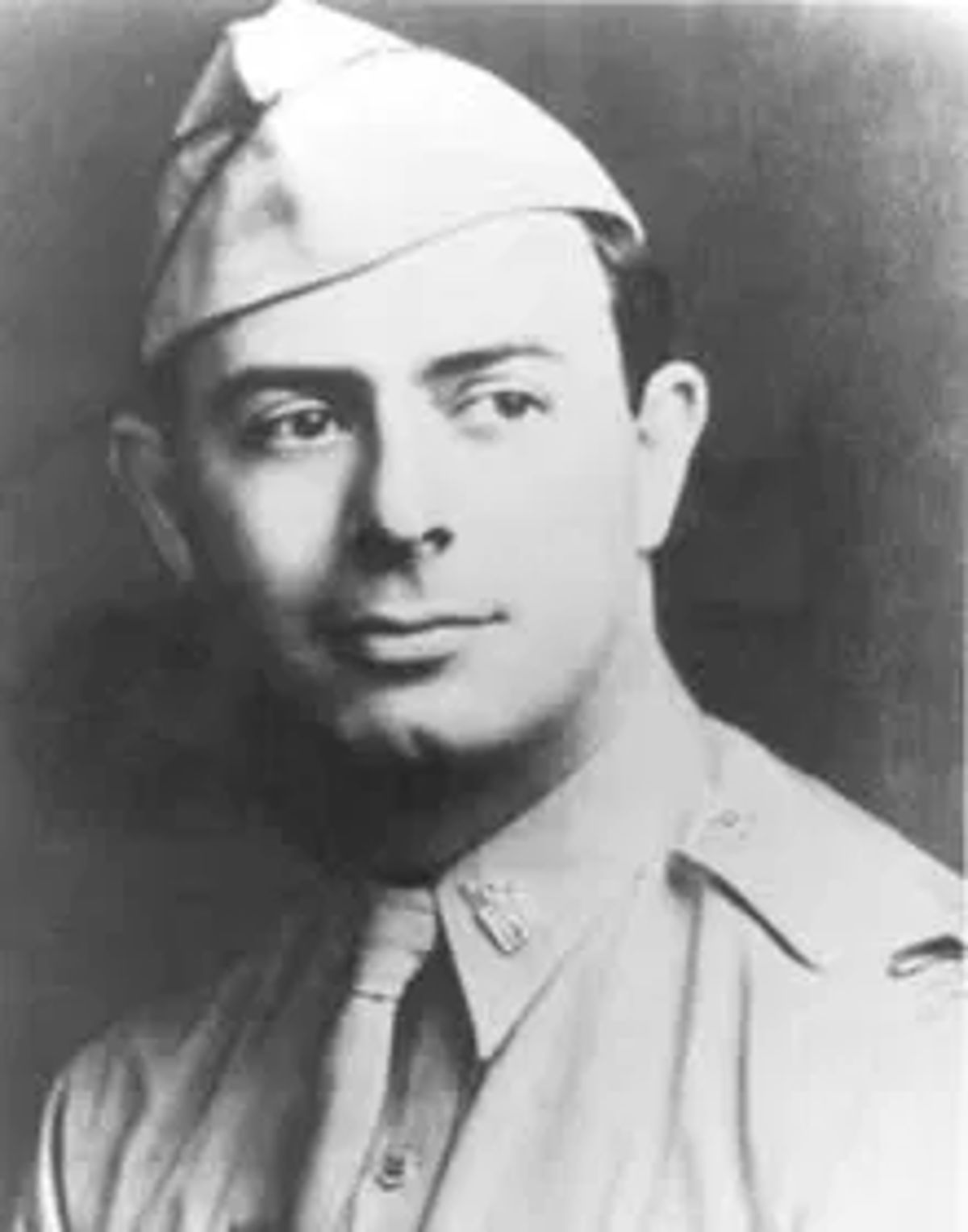
Among the passengers were four military chaplains, including Rabbi Alexander Goode (Goodkowitz). Rabbi Goode, who grew up in Brooklyn, had volunteered for service as a military rabbi when the war broke out, leaving behind his wife and young daughter.
The Night Everything Changed
During that period, German U-boats held a powerful dominance over the seas, sinking a large number of Allied ships. Due to the threat posed by the submarines, the ship's captain ordered crew members to sleep in their uniforms and with their life jackets on. However, many of the soldiers ignored the order because of the intense heat below deck.
In early February 1943, shortly after one o'clock at night, the ship was struck by a torpedo fired from a German submarine. The explosion knocked out the lighting system, plunging the ship into total darkness. Panic broke out among the passengers as they scrambled toward the deck. In the midst of the chaos, the four chaplains began working with calm and purpose, reassuring the men, directing their movement, and distributing life jackets.
Rabbi Goode noticed a soldier trying to return to his cabin to retrieve his gloves. Without hesitation, the rabbi pulled off his own gloves and handed them to the soldier.
When the life jackets ran out, the four chaplains removed their own and handed them to the soldiers who had been left without. As the ship began to sink, soldiers leapt into the freezing waters, and some managed to reach the lifeboats. Survivors in the water testified that they saw the four chaplains standing upright on the sinking deck, their arms linked together, praying.
Eyewitnesses reported that Rabbi Goode's voice could be clearly heard as he recited a prayer in Hebrew, moments before all four of them went down with the ship.
Of the roughly 900 passengers on board, only around 230 survived.
After their deaths, the four chaplains were awarded numerous medals of bravery, and the U.S. Congress issued a special medal in their memory. February 3rd was established in the United States as "Four Chaplains Day." At the dedication ceremony of a memorial built in their honour, President Harry Truman noted that the place was meant to teach the public that just as men can die as heroes and as brothers, so too should they live in shared faith and mutual aid.
The poet Carl Sandburg, reflecting on their act, wrote that heroism is a gift, one that its bearers reveal only in the moment they are truly tested.