Get our mobile app
Download on the App StoreGet it on Google Play

Economic and Military Pressure Mounts

Iran: We'll Reopen Hormuz in a Week

Tehran transmits secret proposal through intermediaries as Iranian delegation arrives in New York for UN General Assembly: willing to lift blockade in seven days if Washington removes military pressure

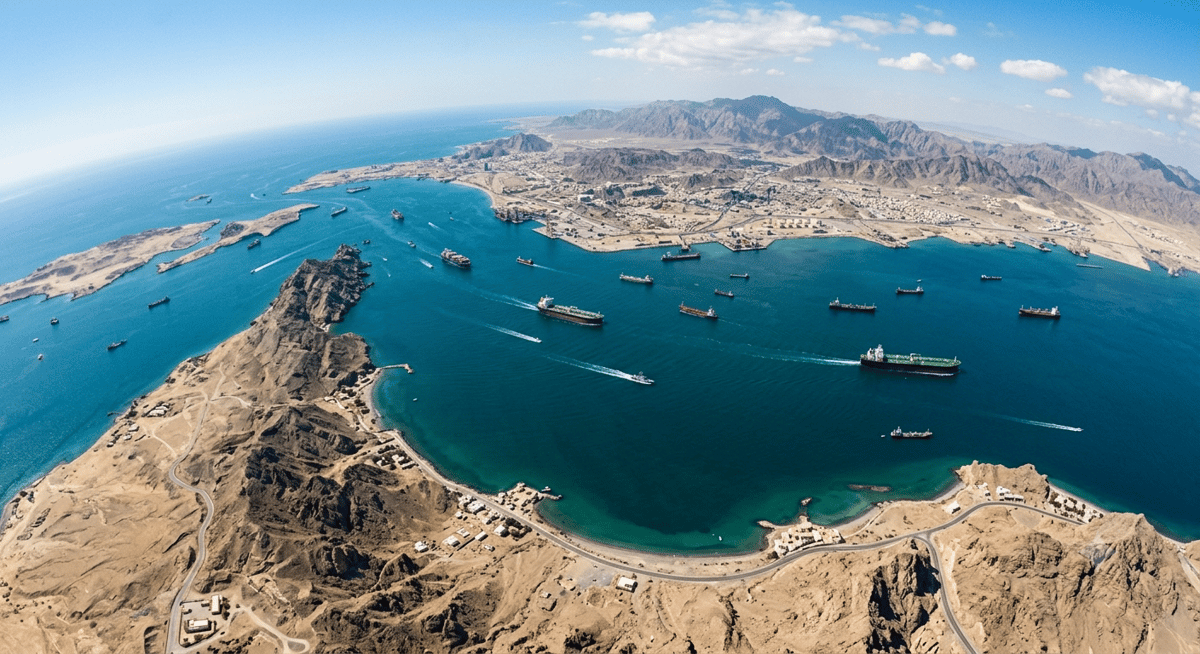
The Strait of Hormuz

Behind-the-scenes diplomatic drama is unfolding as Iran signals willingness to resume contacts with the United States and end the acute security tensions, according to a senior Iranian official who spoke with Reuters.

The Iranian proposal was transmitted secretly through intermediaries and includes a commitment to reopen the Strait of Hormuz within just seven days, on condition that Washington removes military pressure in the region.

According to the report, Tehran transmitted an official proposal to Washington several days ago, on September 16, sent covertly through intermediary parties.

The senior Iranian official revealed that the Iranian delegation currently in New York ahead of the UN General Assembly has been fully authorized to renew diplomatic moves with the American administration.

"Details of an agreement to end hostilities with the United States can be discussed in New York, through third-party mediation," the official declared, effectively confirming that the door is open to quiet negotiations that could lead to de-escalation.
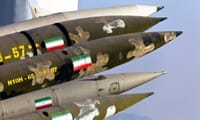
The Bargaining Chip: Opening the Strait Within a Week

At the center of the Iranian proposal stands the strategic maritime trade route. According to the official, Iran is expressing willingness to reopen the Strait of Hormuz within seven days. However, this move comes with a clear and rigid condition: the United States must reduce the military pressure it is exerting in the region and immediately lift the blockade imposed on seaports.

These statements constitute a significant signal from the Islamic Republic, which is now trying to leverage the international stage in New York to achieve relief from American pressure. Iran is using the Strait of Hormuz as its primary bargaining chip.

In recent months, the security situation in the strait has deteriorated significantly. According to published data, only 14 vessels crossed the strait last Tuesday — compared to approximately 120 ships that used to cross daily before the war broke out. The unstable security situation and fear of Iranian attacks have led to a dramatic decline in shipping traffic.

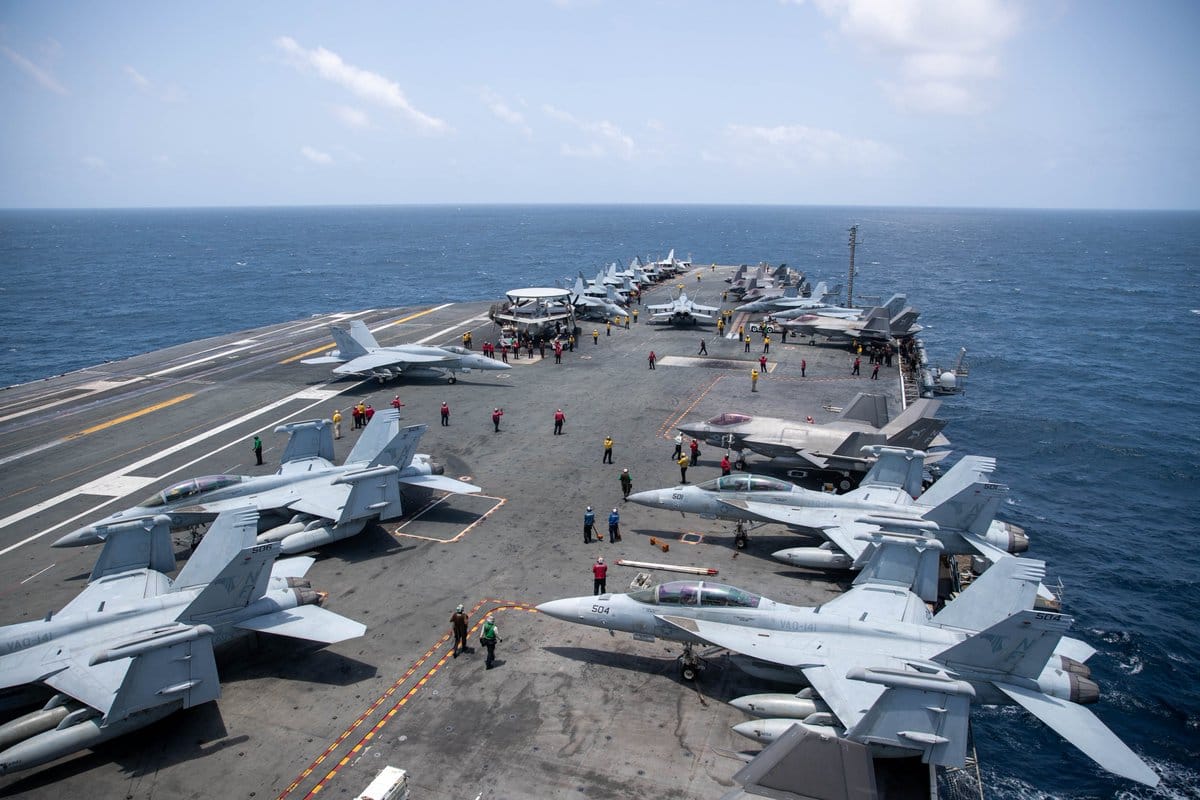
Aircraft carrier in the Gulf facing Iran
Aircraft carrier in the Gulf facing Iran (Photo: U.S. CENTCOM)

The Iranian pressure is apparently driven by the severe economic crisis afflicting Iran. Hundreds of Iranian truck drivers are stuck at the borders of Pakistan, Afghanistan and Turkey, unable to transport their goods. Tons of apricots have spoiled due to prolonged delays, and the economic situation is worsening day by day.

Senior Iranian officials admitted in conversation with Reuters that regime collapse is a possible scenario in light of U.S. moves in the Strait of Hormuz and the ongoing pressure on the Iranian economy. Iranian President Masoud Pezeshkian recently addressed the difficulties and admitted that "our problems have multiplied many times over, while our revenues have declined."

Meanwhile, the United States continues to maintain a rigid position. President Trump even canceled a military strike against the Houthi rebels in Yemen at the last minute, out of concern about opening a third front with Iran. Nevertheless, Washington continues to apply heavy pressure on Tehran, and Israeli Defense Minister Israel Katz even warned that an Iranian attack on Israel would free the State of Israel from any existing constraints.

Ready for more?

Join our newsletter to receive updates on new articles and exclusive content.

We respect your privacy and will never share your information.

Enjoyed this article?

Yes
No
Follow Us:

Unmissable content


Loading comments...

Also of Interest