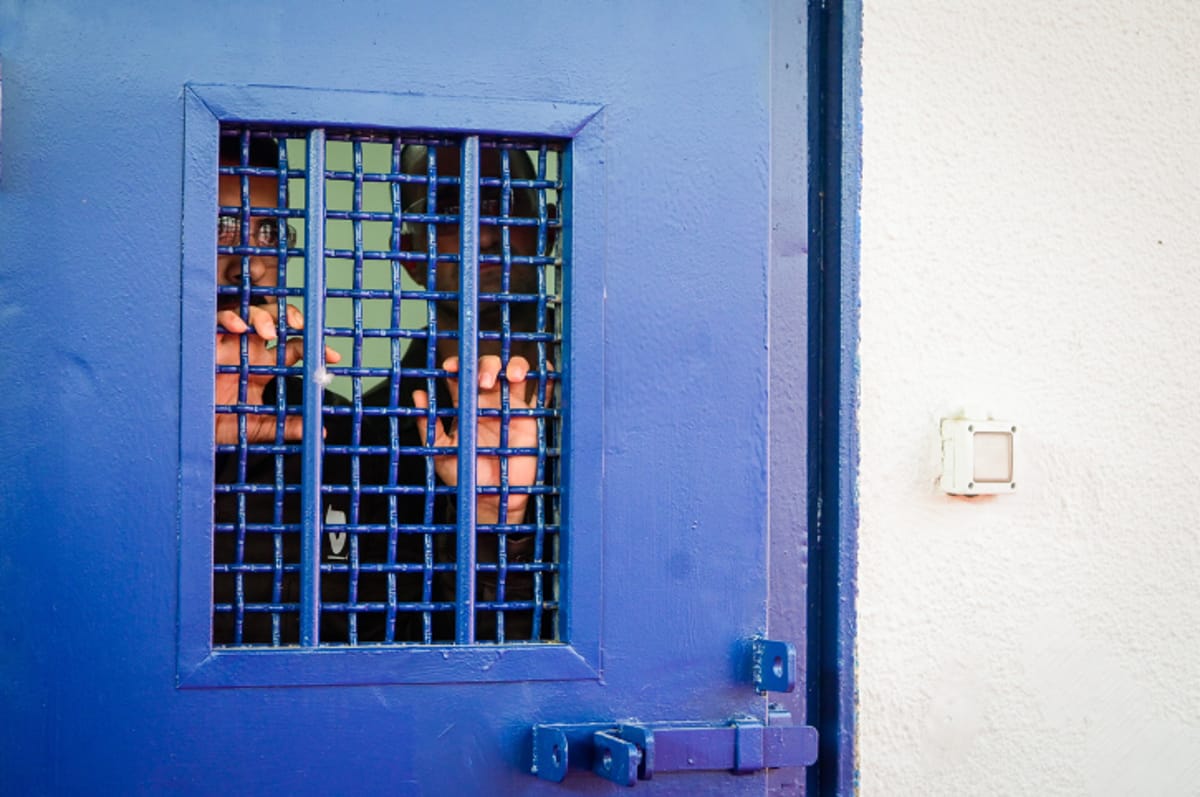
However, the final answer that reached Amir's attorney shattered the picture completely: the request was rejected outright on grounds of dangerousness and categorical opposition from intelligence and security officials, with an additional claim that the medical documents do not justify approval of exceptional leave according to Prison Service regulations.
In a sharp and particularly cynical letter, Trembovler protested the security reasoning: "The State of Israel will undoubtedly be in danger if a 56-year-old prisoner, who has already served 31 years behind bars, spends a day or half a day in the company of his critically ill father."
She did not spare criticism of Minister Itamar Ben-Gvir either, wondering why he did not choose to approve the humanitarian move, which she said would have earned him electoral points even in the face of hostile media criticism. She added sarcastically that it appears medical reasons will be considered sufficient in the system's eyes "only when the patient is, G-d forbid, on his deathbed."
This is not the first time Amir has submitted humanitarian requests. In the past, he filed a petition with the Lod District Court over the Prison Service's refusal to allow him to study in chavrusa with another prisoner in the secure wing, claiming his right to exercise his religious freedom was being denied.
Unlike Amir, other high-profile prisoners have received leave in the past. Former Prime Minister Ehud Olmert, for example, went on his first leave from prison accompanied by Shin Bet security guards five months after he began serving his sentence.