Within a ten-day period, Dr. Reizi Groda-Zusman, a senior physician in the pediatric hemato-oncology department at Rambam Medical Center in Haifa, treated two unrelated children who developed acute anemia following vacations in Egypt. Both cases involved the rapid breakdown of red blood cells after the children consumed Egyptian falafel.
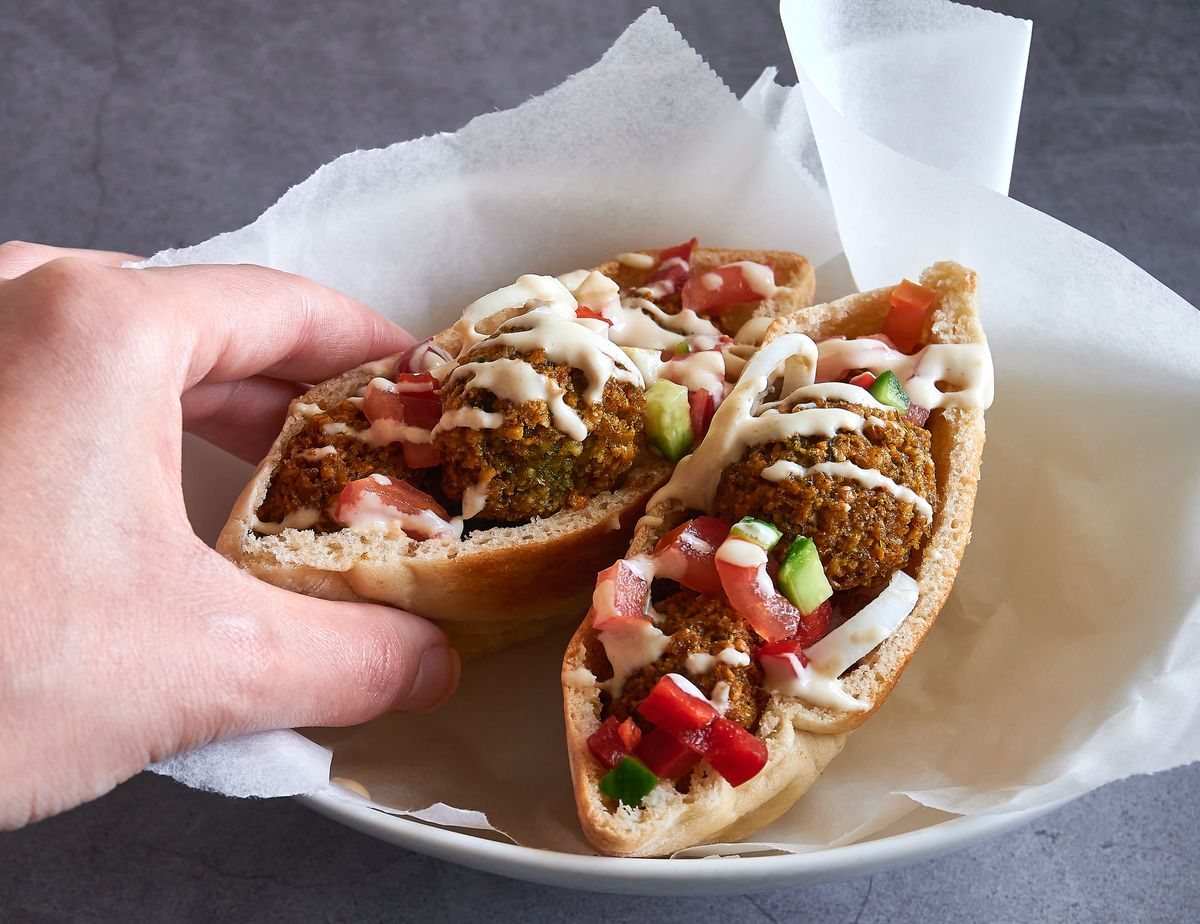
The children, from families with a history of G6PD enzyme deficiency, sometimes called "fava bean sensitivity", unknowingly ate ta'amiya, the Egyptian version of falafel traditionally made entirely from fava beans rather than chickpeas. Neither family realized this difference in ingredients.
Dr. Groda-Zusman described the first case: "About a week and a half ago, a 12-year-old boy arrived at Rambam after returning from vacation in Egypt. He presented with jaundice, dark urine, and a significant drop in hemoglobin levels. The family knew there was G6PD deficiency in the family, but they didn't know whether the child himself had the sensitivity, and in any case they insisted they hadn't eaten fava beans during the trip."
The clinical picture was unmistakable, she explained. "He arrived with acute breakdown of red blood cells and very low hemoglobin. We checked all other possibilities because we didn't want to miss anything. Then I asked him what he had eaten."
The answer led the physician to investigate something previously unknown to her. "The family insisted they hadn't been exposed to fava beans, but they mentioned eating falafel. From a quick check with ChatGPT, it became clear that Egyptian falafel is made entirely from fava beans, not a single chickpea. The family simply didn't know."
Days later, Dr. Groda-Zusman treated another case. An 8-year-old boy who had also returned from Egypt suffered acute red blood cell breakdown after eating the Egyptian version of falafel.
"In the second case, the family knew the child was sensitive to fava beans and was very careful to avoid exposure to the food," Dr. Groda-Zusman recounted. "But they also didn't know that the ta'amiya they ate in Egypt was made from fava beans. That's exactly what's so surprising. They thought they were avoiding fava beans, but in practice they ate a dish containing them without knowing."
The first child required several days of hospitalization with medical monitoring until his condition improved. The second needed a blood transfusion during his hospital stay. His younger brother, age two, was also exposed to a small amount of the falafel and arrived with lower-than-normal hemoglobin levels, but due to the relatively small quantity consumed, didn't require hospitalization.