The Trump administration is pivotally shifting its posture toward Iran, moving from the sustained combat of Operation Epic Fury, which began with the seismic strikes on February 28, 2026, toward a high-stakes "dual move" designed to reset the geopolitical chessboard.
The "Final Blow" Briefing
According to recent reports from Fox News, the Commander of U.S. Central Command (CENTCOM), Admiral Brad Cooper, recently met with President Trump in the Situation Room to present a refined operational plan. Cooper, alongside the Chairman of the Joint Chiefs of Staff, General Dan Caine, outlined a strategy involving:
- Short, Surgical Waves: A series of high-intensity strikes focusing on Iran's remaining strategic infrastructure.
- Targeting Logic: The plan specifically pinpoints the regime’s remaining military assets, leadership nodes, and the industrial base used for drone and missile production.
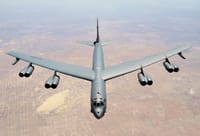
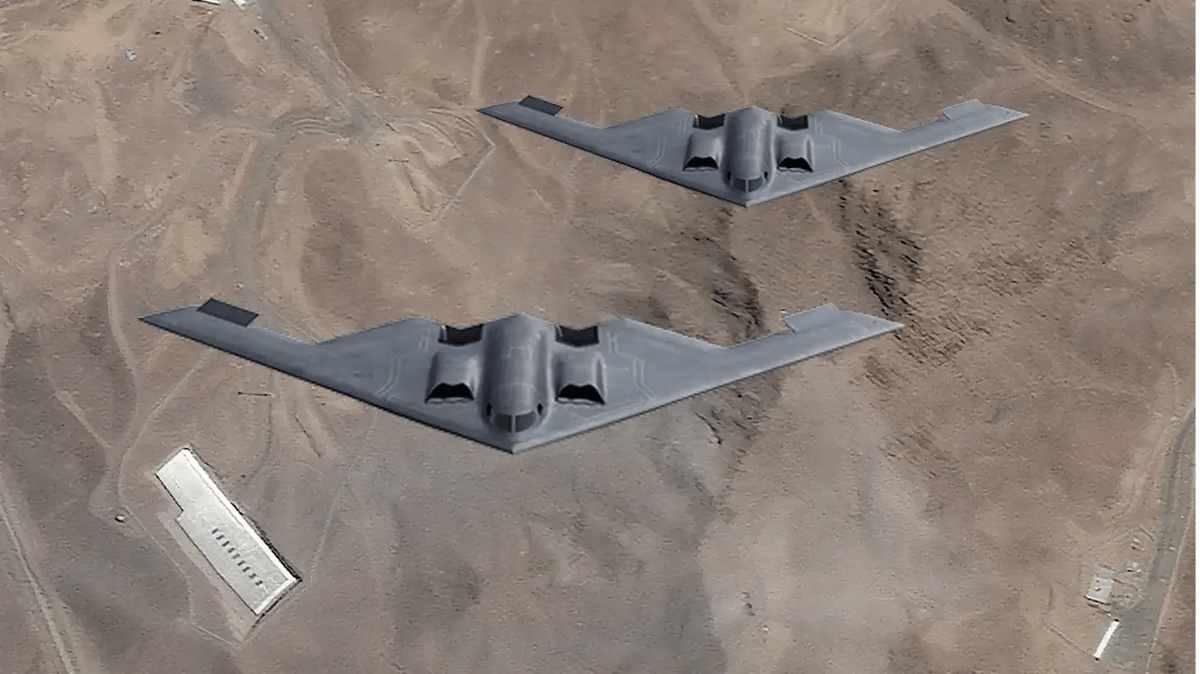
- Hypersonic Deployment: Sources indicate the Pentagon is considering the use of the "Dark Eagle" hypersonic missile system, capable of striking targets from 2,000 miles away with almost no warning, alongside B-1B Lancer bombers for heavy-payload delivery.
The 60-Day Clock and Legal Maneuvering
The administration’s push to "formally conclude" current clashes is not just a military decision but a legal necessity. Under the War Powers Resolution, the 60-day window for military action without explicit Congressional approval is closing (as the conflict began Feb 28).
By declaring the initial "clashes" over, the White House aims to:
- Reset the Legal Timer: Officially concluding one phase of operations allows the administration to claim "readiness" for a fresh, targeted escalation if negotiations fail.
- Diplomatic Leverage: The move signals to Tehran that while the U.S. is willing to observe the current mediated ceasefire, it is actively preparing a "final blow" if Iran’s leadership, now led by Supreme Leader Mojtaba Khamenei, remains inflexible on shipping through the Strait of Hormuz and its nuclear program.
Current Conflict Context
Since the start of the war, the U.S. and Israel have conducted nearly 900 strikes, significantly degrading the Iranian Navy and missile industry. However, with the global energy crisis intensifying due to the "double blockade" of the Strait of Hormuz, the Trump administration is under pressure to reach a "rapid and critical" conclusion.
The current "ceasefire," mediated by Pakistan in Islamabad, remains fragile. Trump is effectively telling Tehran that the path to the negotiating table is the only alternative to a devastating new wave of precision strikes.