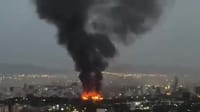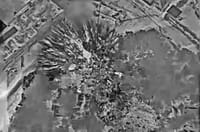
The IDF officially confirmed on Thursday the assassination of Ahmad Ghaleb Balout, the commander of Hezbollah’s elite Radwan Force, following a precise strike in the Dahiyeh district of Beirut. The operation has sent shockwaves through Lebanon, with political figures in Beirut fearing that Israel has officially resumed its policy of high-level targeted assassinations against Hezbollah’s top tier.
The Target: Architect of the "Galilee Invasion"
Balout was a veteran of the Radwan Force, serving as its Chief of Operations. According to military intelligence, he was the primary figure responsible for:
- Combat Readiness: Overseeing the unit’s preparedness for direct confrontation with the IDF.
- Tactical Command: Directing anti-tank missile fire and IED attacks against Israeli forces in southern Lebanon.
- Rehabilitation: Leading efforts to rebuild the Radwan Force's infrastructure and revive the unit's flagship "Plan to Conquer the Galilee."
Diplomatic Fallout: A Ceasefire in Peril
According to Channel 12, Lebanese political source told the newspaper Nidaa al-Watan that the timing of the strike, coinciding with President Trump’s talk of a nuclear deal with Iran, sends a clear message: Israel is decoupling the Lebanese theater from Tehran.
"Israel is insisting on removing the Hezbollah threat before ending its operations in Lebanon, regardless of the results of U.S.-Iran talks," the source noted.
The assassination comes at a critical diplomatic juncture. A third round of negotiations between Israel and Lebanon is scheduled to take place next week at the U.S. State Department in Washington. Lebanese officials warn that if Hezbollah responds with significant military escalation, the fragile ceasefire will "collapse completely," potentially bringing the war back to the heart of Beirut.
Of course, they neglect to mention the hundreds of ceasefire violations Hezbollah has committed and taken responsibility for, which are the biggest threat to the ceasefire by far.
Psychological Warfare and Guerilla Tactics
Lebanese commentator Khalil Nasrallah, who is close to Hezbollah, argued that the assassination is an attempt by Israel to create a "victory image" for its public. He noted that the Radwan Force holds significant psychological weight in the collective memory of both Israelis and Lebanese.
While Israel claims the strike thwarts Hezbollah’s offensive capabilities, Nasrallah warned that the IDF remains in a "dead end" in southern Lebanon, where a widening conflict will only increase the difficulty of facing persistent guerrilla warfare.
Current Status: As of Thursday morning, IDF strikes have also been reported in Nabatieh. All eyes remain on Hezbollah’s headquarters to see if the group will maintain the ceasefire or launch a retaliatory strike that could ignite a full-scale regional conflagration.
Channel 12 contributed to this article.