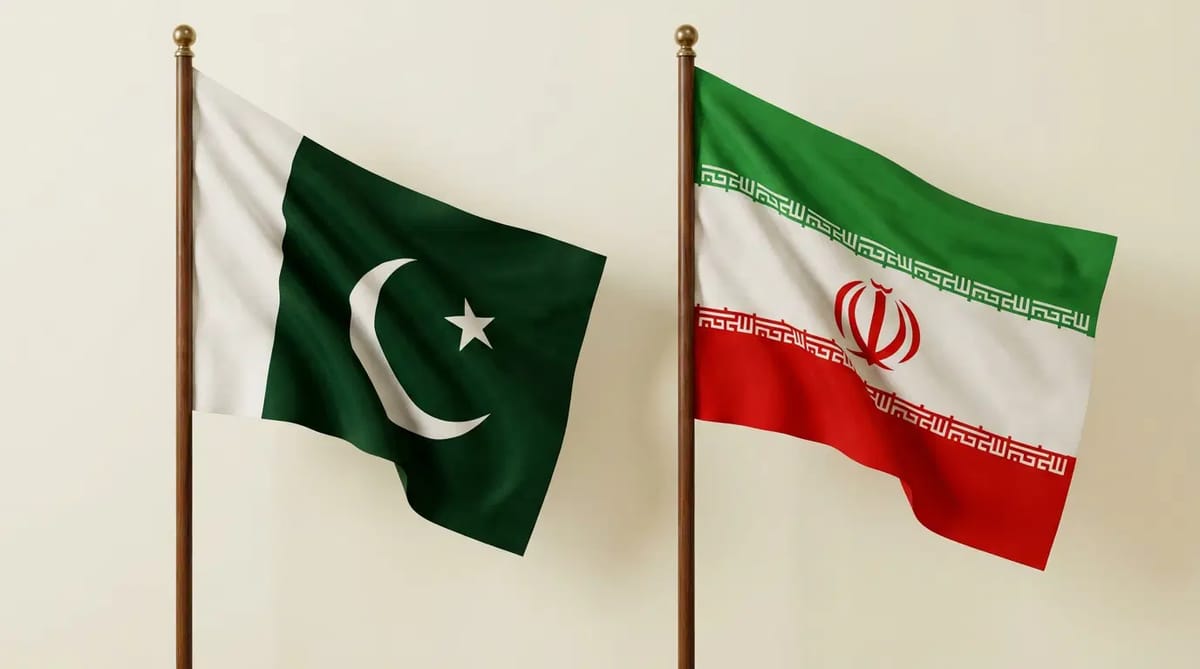
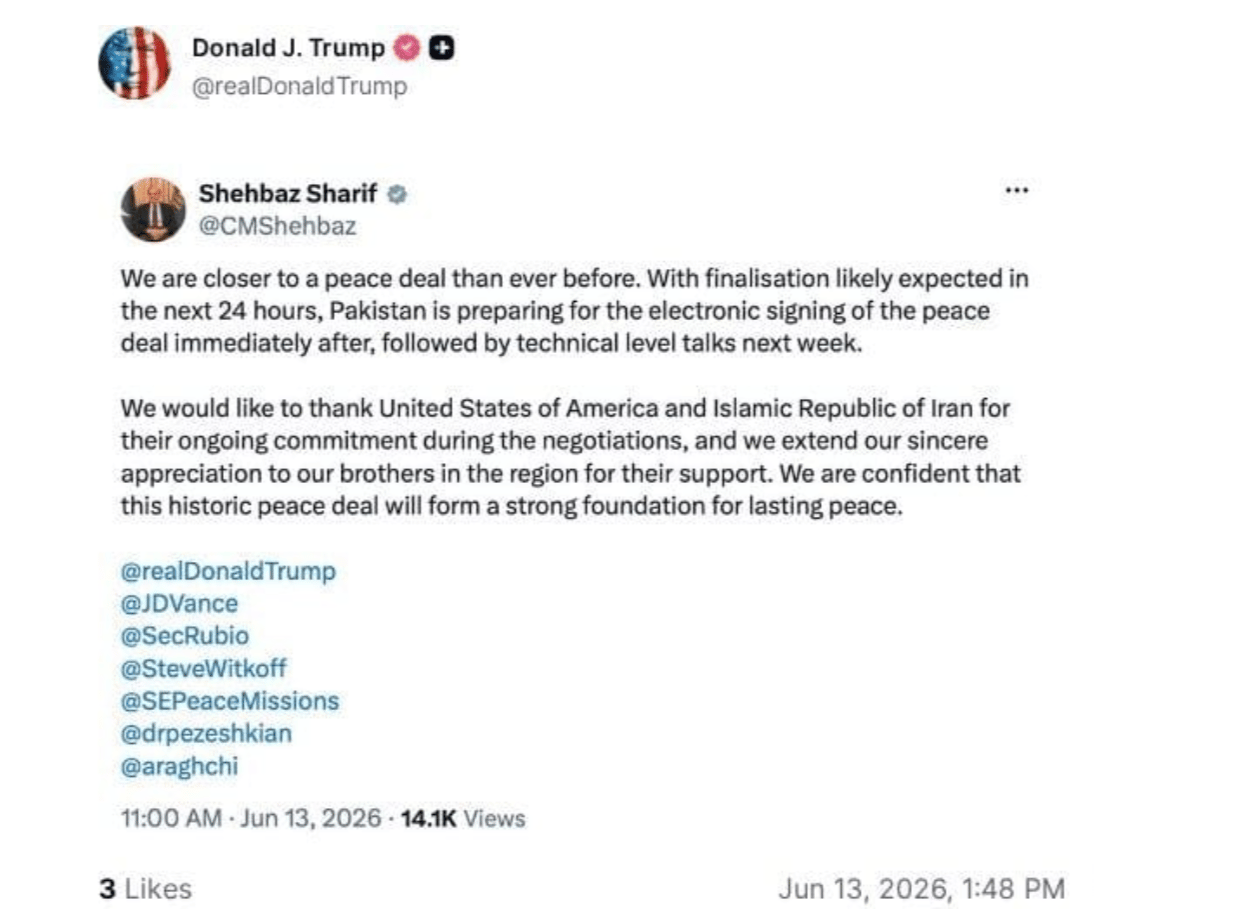
Iran also introduced a new potential sticking point Saturday, with Foreign Ministry spokesman Ismail Baghaei telling the Iranian Fars news agency that Tehran intends to collect payment for services it provides in the Strait of Hormuz under the terms of any agreement. Iranian Foreign Minister Abbas Araghchi echoed that position, declaring that "these services will no longer be free" and saying Iran and Oman are expected to announce a new mechanism for managing traffic in the strait. Washington has firmly opposed any toll or fee on vessels transiting the strategic waterway, which under international law must remain freely navigable. Iran appeared to reframe the demand as payment for "services" rather than a transit fee, though the practical distinction remained unclear.
Iran's Foreign Ministry statement Saturday also listed the release of Iran's frozen assets as "an inseparable part of the agreement," and called for an end to foreign military bases and military presence in the region.
The statement added that Iran "will take steps for safe conduct in Hormuz, in accordance with the protection of Iran's national security and the general interest of the international community."
Separately, Prime Minister Benjamin Netanyahu issued a firm statement saying he and President Donald Trump are in full agreement that Iran will not obtain a nuclear weapon. "As long as I am prime minister of Israel, Iran will not have a nuclear weapon," Netanyahu said. "There is full agreement between me and President Trump on this matter." Netanyahu added that he has spent more than 30 years leading the international fight against Iran's nuclear program, and that Iran seeks to destroy the Jewish state. "As long as I am prime minister of Israel, this will not happen," he said.