Get our mobile app
Download on the App StoreGet it on Google Play

Inside the Iran Rescue

The Rescue That Cost $200 Million

When an F-15E navigator was shot down deep inside Iran during Operation Lion's Roar, the Pentagon launched the most expensive rescue mission in U.S. military history, landing 90 troops on Iranian soil and destroying two giant aircraft to keep them from enemy hands.

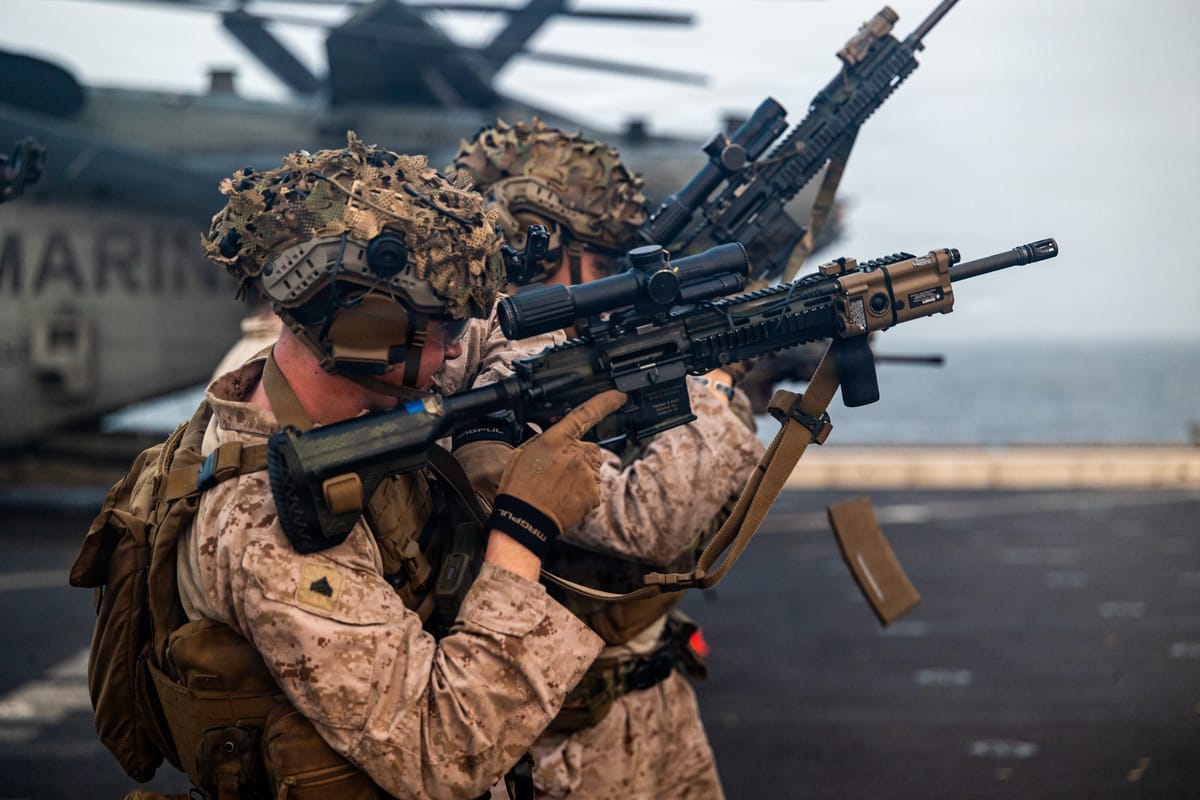
U.S. elite unit fighters

What began as a routine bombing sortie during Operation Lion's Roar—the massive U.S. campaign against Iran—became one of the most complex, daring, and expensive rescue operations in American military history.

A two-seat F-15E Strike Eagle, valued at approximately $30 million, was flying near Isfahan, close to Iran's enriched nuclear facilities, when an Iranian shoulder-fired missile worth less than $100,000 struck the aircraft. For the weapons systems officer in the back seat, call sign "Bravo," the impact felt like being hit by a speeding freight train.

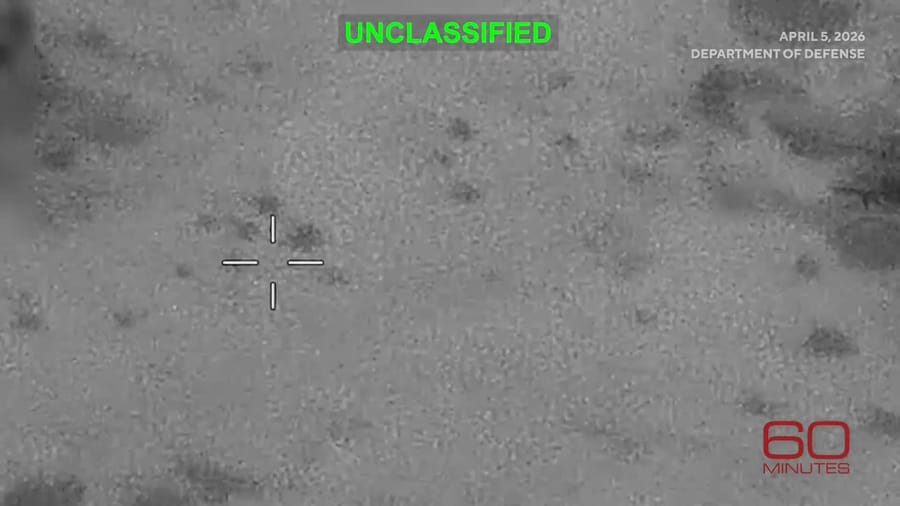
Footage
Footage (Photo: 60 Minutes)

The Nightmare Moment: Falling at 100 MPH Without a Parachute

The pilot in front, "Alpha," and Bravo immediately realized the aircraft was fatally damaged and had no choice but to eject. Alpha parachuted down and landed relatively safely. But Bravo discovered every aviator's worst nightmare: the missile strike had damaged his parachute, and when he looked up, there was no canopy above him. "The most terrifying thing I've ever experienced," Bravo recalled in the CBS "60 Minutes" broadcast. Within seconds, he held his breath and sent up a brief prayer: "G-d, Your will be done, but if I'm getting out of this—I need help." He hit the ground at an estimated speed between 70 and 100 miles per hour, suffering severe fractures to his back, arm, and shoulder.

7,000 Feet With Broken Bones: "Not Going on Iranian Television"

Despite the horrific injuries, dawn revealed that the desert valley where he had landed was becoming a brutal hunting ground for the Islamic Revolutionary Guard Corps. Armed Iranians scoured the area, coming within a few hundred yards of his position. Bravo understood that survival depended on gaining altitude, and he began climbing with superhuman effort up a 7,000-foot desert ridge. The motto that sustained him was cold, cynical, and unambiguous: "Never let a lack of motivation get you on Iranian television." Meanwhile, in Washington, Defense Secretary Pete Hegseth woke to the dramatic phone call and gave a short, sharp directive to Chairman of the Joint Chiefs Dan Cain and Admiral Brad Cooper: "Whether they're alive or not, we're going to bring them back."


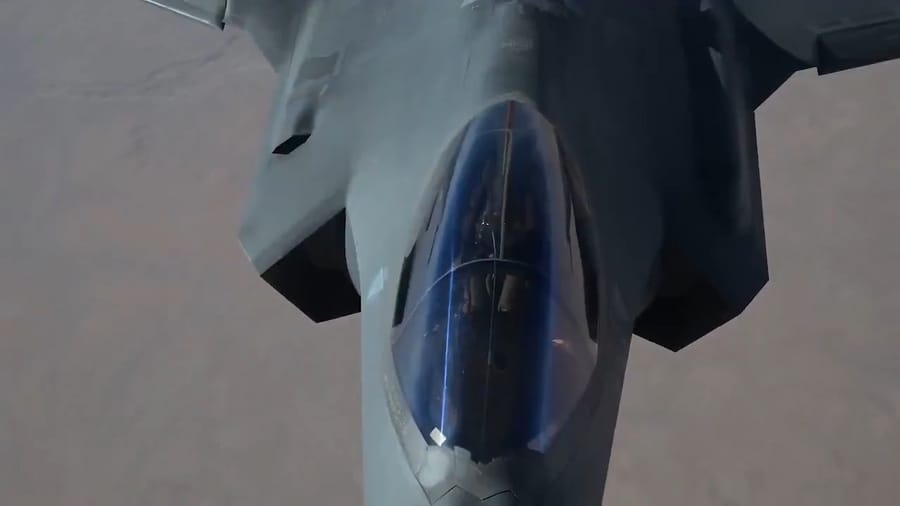
U.S. Air Force F-35A stealth fighters refueling
U.S. Air Force F-35A stealth fighters refueling (Photo: U.S. Military)

First Time in 46 Years: Secret Incursion of 90 Troops Into Iranian Territory

Alpha's rescue was executed during daylight hours amid heavy gunfire in and out, but Bravo remained behind for another day of grim survival with almost no water or food. At this stage, the CIA superstructure swung into action, including a multi-stage deception campaign and highly classified tracking technology, alongside heavy bombing runs by American bombers and drones that cleared the surrounding area. Then came a historic moment without parallel: for the first time in 46 years, more than 90 elite American service members physically landed on Iranian soil, with hundreds in the air and thousands in support encircling the zone. Giant aircraft dropped forces onto an improvised runway, and nimble Little Bird helicopters extracted Bravo from the ridge to safety.

The Extreme Twist: Destroying $100 Million Aircraft in the Sand

The soft desert sand at the improvised landing strip trapped the large rescue aircraft, preventing them from taking off. Out of critical concern that sensitive technology would fall as spoils into Iranian hands, an unprecedented military order was given to destroy and detonate on-site the two rescue aircraft, each valued at an estimated $100 million, along with the Little Bird helicopters. Fifty hours after the incident began, Bravo reached safety and managed to call his wife and praise her courage. For the U.S. military, this is an event that redefines the concept of "leave no man behind," at a geopolitical and technological cost unlike any other.

Ready for more?

Join our newsletter to receive updates on new articles and exclusive content.

We respect your privacy and will never share your information.

Enjoyed this article?

Yes
No
Follow Us:

Unmissable content


Loading comments...

Also of Interest