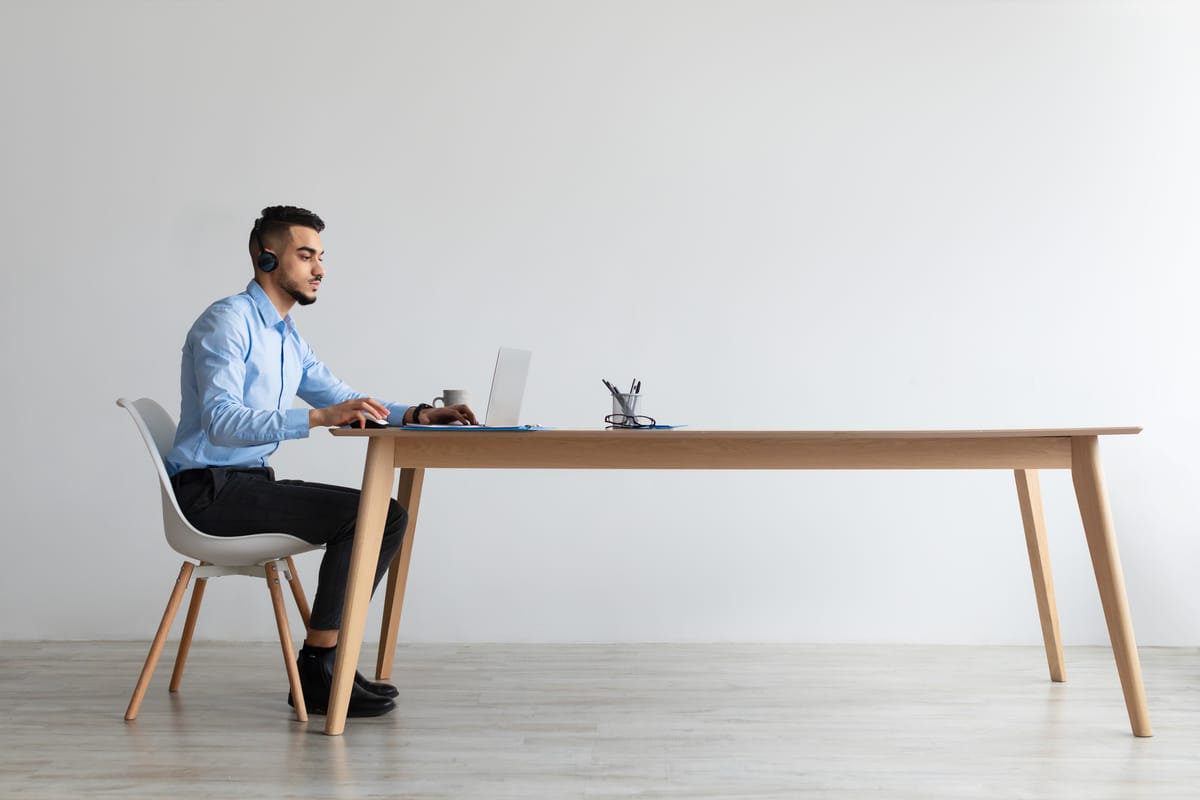
In the hustle of modern life, where Zoom meetings and Netflix binges dominate our days, a startling truth has emerged: Sitting is the new smoking. This phrase, coined by researchers like Dr. James Levine of the Mayo Clinic in 2014, has gained traction as studies pile up linking prolonged sitting to serious health risks, rivaling the dangers once associated with cigarettes. For those of us glued to desks, couches, or car seats, the science is clear: Our sedentary lifestyles are quietly eroding our well-being, and it’s time to stand up and take notice.
The evidence is sobering. A 2018 study in The Lancet found that sitting for more than eight hours daily increases the risk of premature death by 59% compared to those who sit less than four hours, mirroring the mortality rates tied to smoking in earlier decades. Prolonged sitting is linked to a 147% increased risk of heart attack or stroke, according to a 2015 Annals of Internal Medicine meta-analysis, and it doubles the odds of developing type 2 diabetes. Even regular exercise doesn’t fully offset the damage: The American Journal of Epidemiology (2017) showed that gym-goers who sit for long stretches face similar cardiovascular risks as their couch-potato counterparts.
Why is sitting so deadly? It’s about what happens when we’re still. Extended periods of inactivity slow metabolism, reduce blood flow, and weaken muscles, particularly in the lower body. The Journal of Applied Physiology (2016) noted that just one day of prolonged sitting can decrease insulin sensitivity by 39%, setting the stage for metabolic disorders. Meanwhile, poor posture at desk, think slouched shoulders and forward heads, strains the spine, leading to chronic back pain reported by 80% of office workers in a 2020 Spine journal survey. Mentally, the toll is equally grim: A 2019 Journal of Occupational Health study linked sedentary behavior to a 30% higher risk of depression and anxiety.
The workplace is ground zero. With 86% of U.S. workers in sedentary jobs per the Bureau of Labor Statistics (2021), the average office employee sits for 6.5 hours daily, often uninterrupted. Remote work has only worsened this, with a 2023 Harvard Business Review report noting a 20% increase in sedentary time since the pandemic’s onset. Compare this to smoking’s decline, only 11.5% of Americans smoked in 2021, down from 42% in the 1960s, per the CDC and it’s evident why experts like Dr. David Alter of the University of Toronto call sitting “the public health challenge of the 21st century.”
But there’s hope in movement. Experts advocate for small, intentional changes: standing desks, which a 2022 Cochrane Database review found reduce sitting time by up to 100 minutes daily; walking meetings, shown to boost creativity by 60% in a 2014 Stanford University study; or simply standing every 30 minutes to stretch, which can cut cardiovascular risk by 11% per Medicine & Science in Sports & Exercise (2019). Apps like Stand Up! and wearable trackers nudge users to move, while workplaces like Google have introduced treadmill desks and “active break” policies.
For individuals, the shift is personal. Take Sarah Johnson, a 34-year-old marketing manager in Chicago, who swapped her chair for a standing desk after sciatica sidelined her. “I used to sit for nine hours straight,” she told Health magazine in 2024. “Now, I stand for half my day, take walking calls, and feel sharper.” At home, swapping one hour of TV for a yoga session or a walk can slash diabetes risk by 14%, per a 2020 Diabetes Care study.
The stakes are high, but the fix is simple: Move more, sit less. As Dr. Levine puts it, “The chair is a killer, but you can outsmart it.” In a world where time is our currency, investing in movement might just be the ultimate act of self-care. So, stand up, stretch, and reclaim your health, one step at a time.