Get our mobile app
Download on the App StoreGet it on Google Play

International Dog Day

Ten Surprising Facts About Dogs

From their ancient bond with humans to their role alongside IDF soldiers, here are fascinating insights into our most loyal companions on International Dog Day

Dog

They wait by the door, sense our moods, and greet us with joy every time we return home, even if we've only been gone a few minutes. Wednesday, August 26, marks International Dog Day worldwide, offering a perfect opportunity to learn some surprising facts about humanity's best friends.

The observance was established in 2004 by Colleen Paige, an animal welfare advocate. She chose August 26 because it was the day her family adopted their first dog from a shelter when she was ten years old. The day aims to encourage adoption and raise awareness about abandoned dogs.

Dogs are believed to be the first animals domesticated by humans. Our relationship began thousands of years ago, when humans still lived as hunter-gatherers. In fact, dogs were at our side before we began cultivating wheat or raising cattle and sheep.
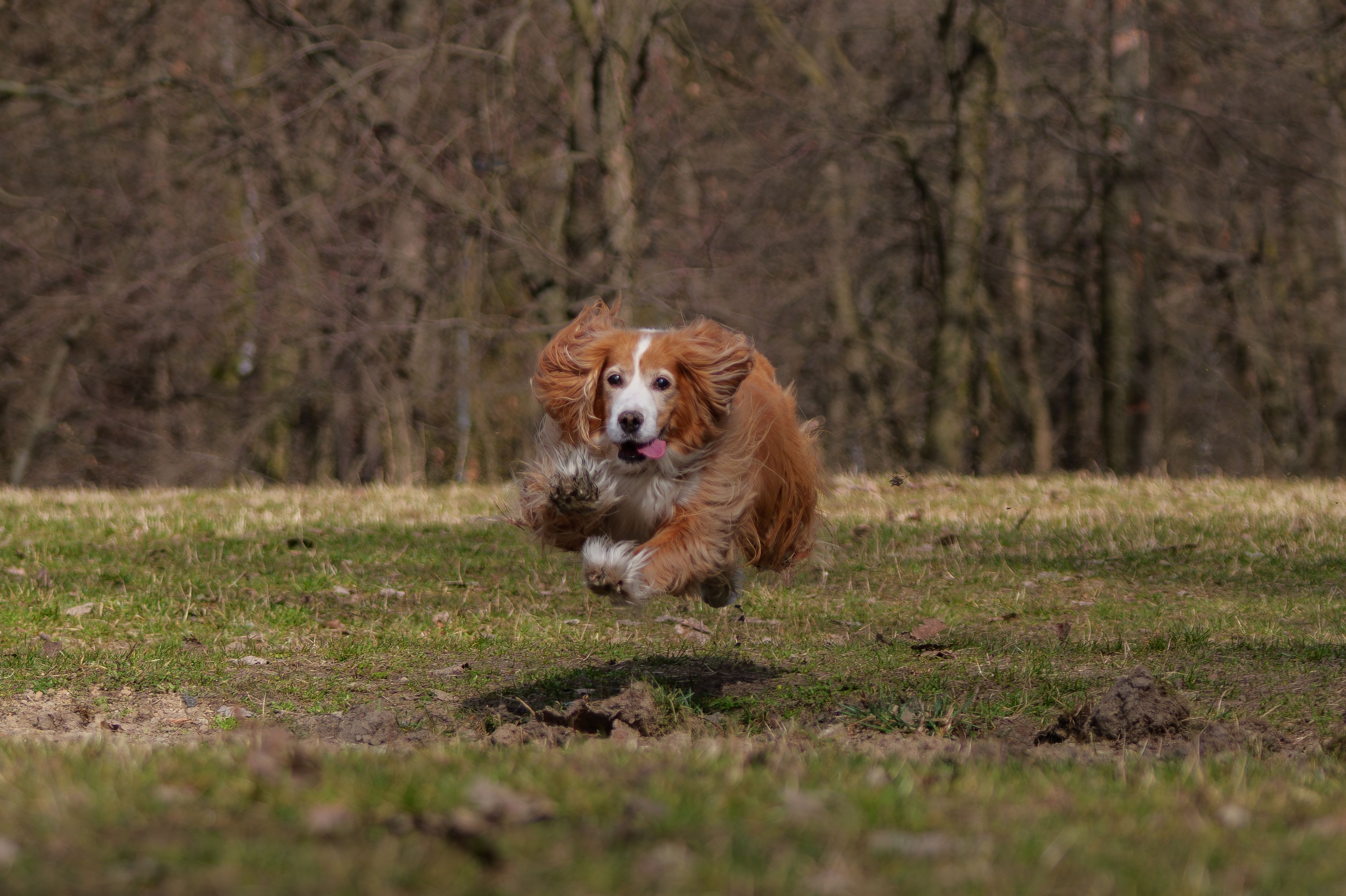
Dog
Dog (Shutterstock )

While humans possess approximately six million scent receptors, dogs may have as many as 300 million. For them, smell is one of the primary ways of understanding their environment. Thanks to this ability, trained dogs can locate missing persons, detect explosives, and even identify certain changes in the human body.

Research has found that puppies as young as eight weeks old can understand and follow pointing gestures. They can read human cues without extensive training. It appears that at least part of their remarkable ability to understand us is present from birth.

Contrary to popular belief, dogs don't see the world only in shades of gray. They can primarily distinguish shades of blue and yellow, but struggle to differentiate between red and green. A blue toy may therefore stand out to them more than a red toy lying on grass.

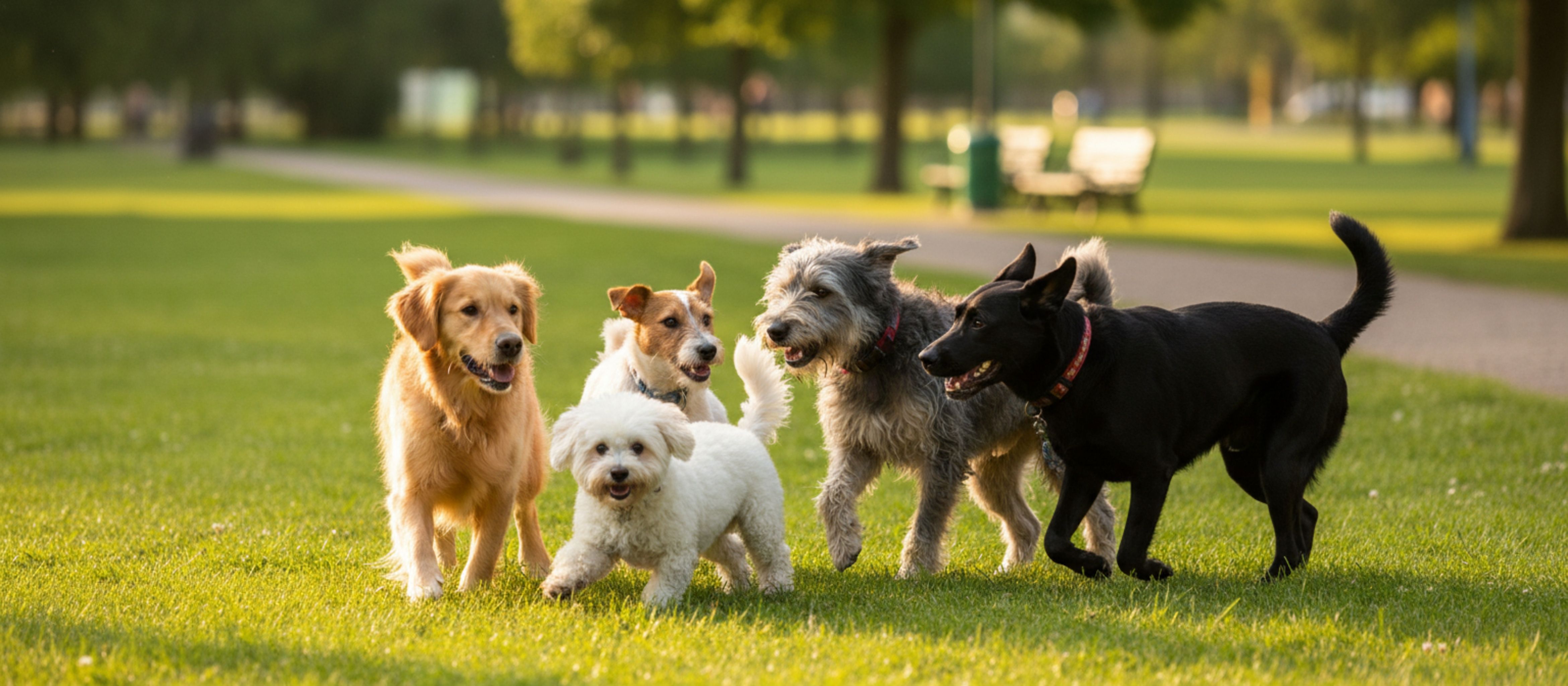
Dogs
Dogs (Shutterstock )

Like humans, dogs experience a sleep stage during which dreams occur. Leg movements, small sounds, and eye movements may appear while they're dreaming. Researchers estimate that their dreams relate to experiences from their day.

It's easy to assume that any tail-wagging dog is happy to see us, but that's not always accurate. Wagging can also express excitement, alertness, tension, or apprehension. To understand what a dog is feeling, one must also observe the speed of movement, the ears, and overall body posture.

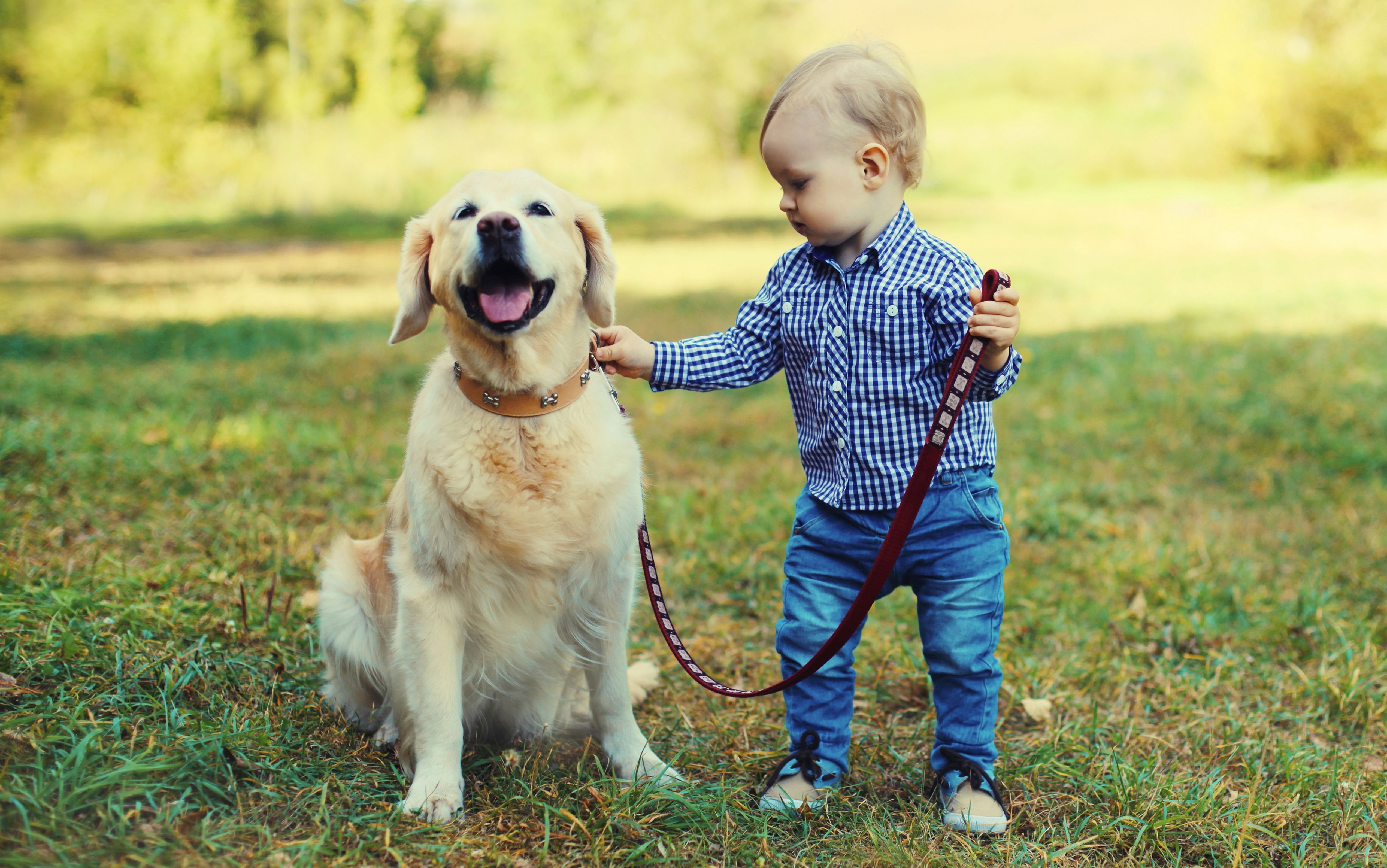
Dog with kid
Dog with kid (Shutterstock )

Dogs can detect sounds at frequencies far higher than those humans can hear. This is why they may react to noise or someone's arrival before we notice anything. This sensitivity also explains why fireworks, vacuum cleaners, and loud noises can be particularly stressful for them.

Despite the impressive senses they develop later, puppies are born with their eyes and ear canals closed. During the first weeks, they rely primarily on their sense of smell, touch, and their mother's warmth. Only gradually do they begin to see and hear their surroundings.

In Israel, dogs from the IDF's Oketz Unit participate in operational activities alongside soldiers. They enter buildings and dangerous areas, locate terrorists, explosives, and combat equipment, helping protect soldiers' lives. During the Iron Swords War, dozens of the unit's dogs were killed during their operations.

Ready for more?

Join our newsletter to receive updates on new articles and exclusive content.

We respect your privacy and will never share your information.

Enjoyed this article?

Yes (11)
No (0)
Follow Us:

Unmissable content


Loading comments...

Also of Interest