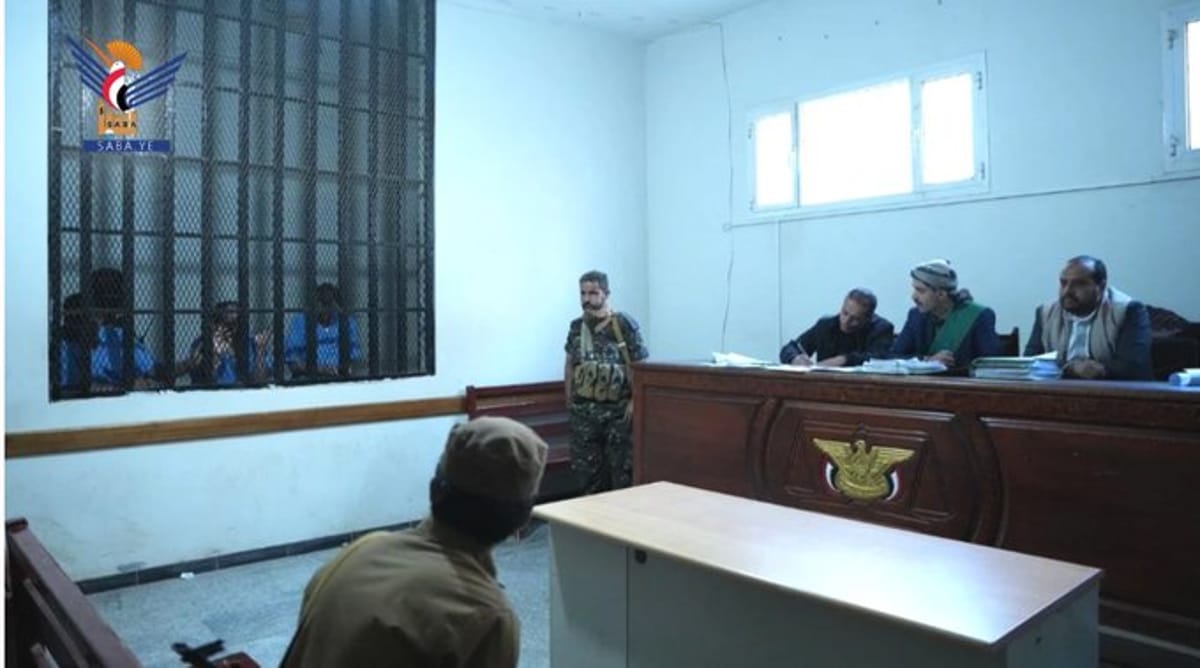
A Houthi-controlled court in Yemen's capital, Sanaa, has sentenced 17 Yemeni aid workers employed by United Nations agencies to death by firing squad on charges of spying for Israel and Western governments. This verdict marks a severe escalation in the conflict and poses a significant threat to international aid operations in the region.
According to the Houthi-run Al-Masirah TV, the defendants were ordered to be executed "in a public place as a deterrent" following their conviction. The court claimed the workers provided foreign handlers with sophisticated espionage tools, including encrypted communication devices, tracking applications, and training on secret cameras.
The Charges and Alleged Consequences
The Houthis allege that the information gathered by the accused enabled Israel and Western governments to track the movements of Houthi terror leaders, locate missile storage sites and launch locations, and gain insight into their internal political and security matters.
The court further alleged that between 2024 and 2025, the aid workers actively recruited other Yemenis, planted surveillance devices, and received payments that ultimately "resulted in the targeting of multiple military, security, and civilian sites," which they claimed caused dozens of deaths.
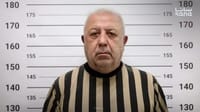
The Sanaa-based outlet Almasdar reported that one of those sentenced is a former director of Yemen’s Military Intelligence who served under the country's longtime ruler, Ali Abdullah Saleh. Others included relatives of tribal sheikhs and officers whose identities were concealed by Houthi media, a tactic likely employed to prevent potential public backlash and maintain control over the narrative. In addition to the 17 death sentences, two other defendants, including one woman, received 10-year prison terms, while a single person was acquitted.
Context of Escalation and International Response
This extreme verdict follows Israeli airstrikes on Sanaa in August, which were carried out in response to Houthi missile and drone attacks directed toward Israel. Those strikes resulted in the deaths of senior Houthi officials, including 12 ministers and the terror group’s chief of staff, Mohammed Abdulkarim al-Ghamari. Since the retaliatory strikes, Houthi security forces have intensified their arrests, including the detention of 43 UN staff prior to this mass sentencing.
The situation occurs against the backdrop of Yemen's protracted civil war, which began in 2014 when the Houthis seized control of Sanaa and much of northern Yemen, driving out the government. The conflict has caused an estimated 150,000 deaths and created one of the world's most severe humanitarian crises.
The United Nations has responded to the sentencing, stressing that it shares the families’ "frustration and anxiety" and is actively pressing the Houthis for the "immediate and unconditional" release of all detainees.