The foundations of the Islamic Republic faced their most significant challenge in decades on Tuesday as the Tehran Grand Bazaar, the historic and economic engine of the nation, became a violent battleground between citizens and security forces. Protesters staged a daring sit in within the centuries old corridors of the marketplace, long considered a sanctuary of regime support, forcing riot police to deploy heavy amounts of tear gas to disperse the crowds. The subsequent shuttering of the bazaar sends a clear signal of a deepening crisis, as the closure of these shops has historically served as the final warning before major political revolutions in Iran. This escalation comes as the death toll from weeks of nationwide demonstrations has climbed to at least 35 people, tragically including four children, with more than 1,200 citizens currently held in detention.
The primary driver of this public rage is a total economic meltdown that has seen the Iranian rial plunge to a record low. In a desperate move, the Central Bank of Iran sharply reduced subsidized dollar exchange rates for importers, a policy shift that merchants warn will cause the price of basic food and household goods to skyrocket overnight. For a population already decimated by years of international sanctions and the fallout of the military strikes in June, this latest financial blow has pushed the average citizen to a breaking point. Merchants in the bazaar, who once formed the backbone of the 1979 revolution, are now signaling that they can no longer survive under the current leadership's mismanagement and the ongoing war against its own people.
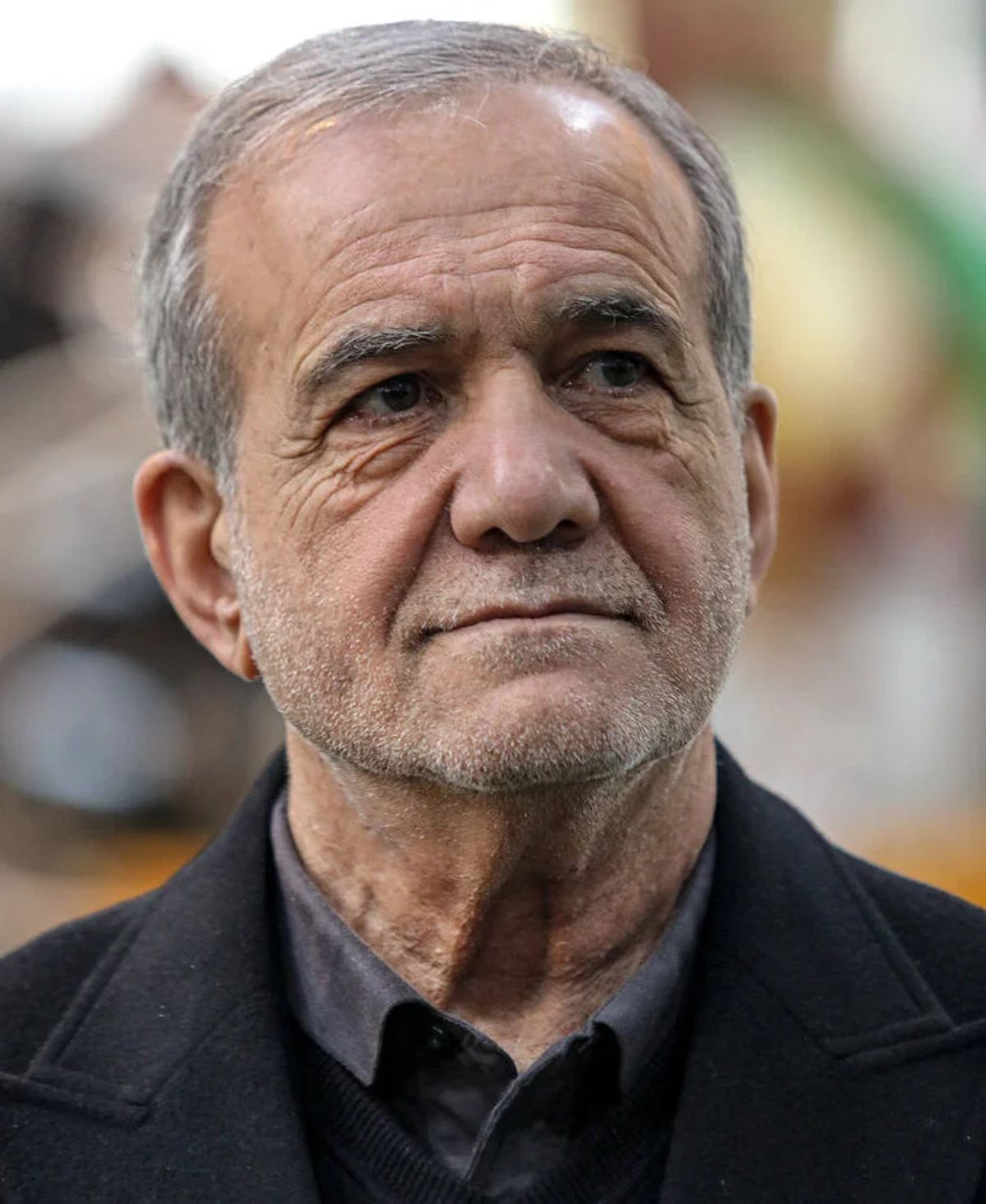
In a televised address that stunned many observers for its bluntness, President Masoud Pezeshkian made a rare public admission that the government is losing its grip on the situation. While he ordered an investigation into a specific protest incident, he conceded that the state institutions are being crushed under the weight of the civil unrest. "We should not expect the government to handle all of this alone," Pezeshkian stated, adding that "the government simply does not have that capacity." This admission of institutional limits suggests a growing realization within the leadership that security crackdowns and force may no longer be enough to contain a population that has lost its fear.
As night fell over Tehran, the silence of the closed market stalls stood in stark contrast to the chants of "death to the dictator" echoing through the surrounding streets. The convergence of a free falling currency, an overwhelmed presidency, and the blood of children on the streets has created a volatile atmosphere that suggests the unrest is hardening into a permanent revolt. While the regime continues to project an image of authority through its military drills and IRGC maneuvers, the reality inside the capital tells the story of a state whose capacity to govern is rapidly evaporating. The world now watches to see if this economic paralysis at the heart of the country will be the final catalyst for the total collapse of the ruling system.