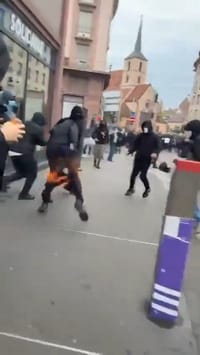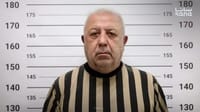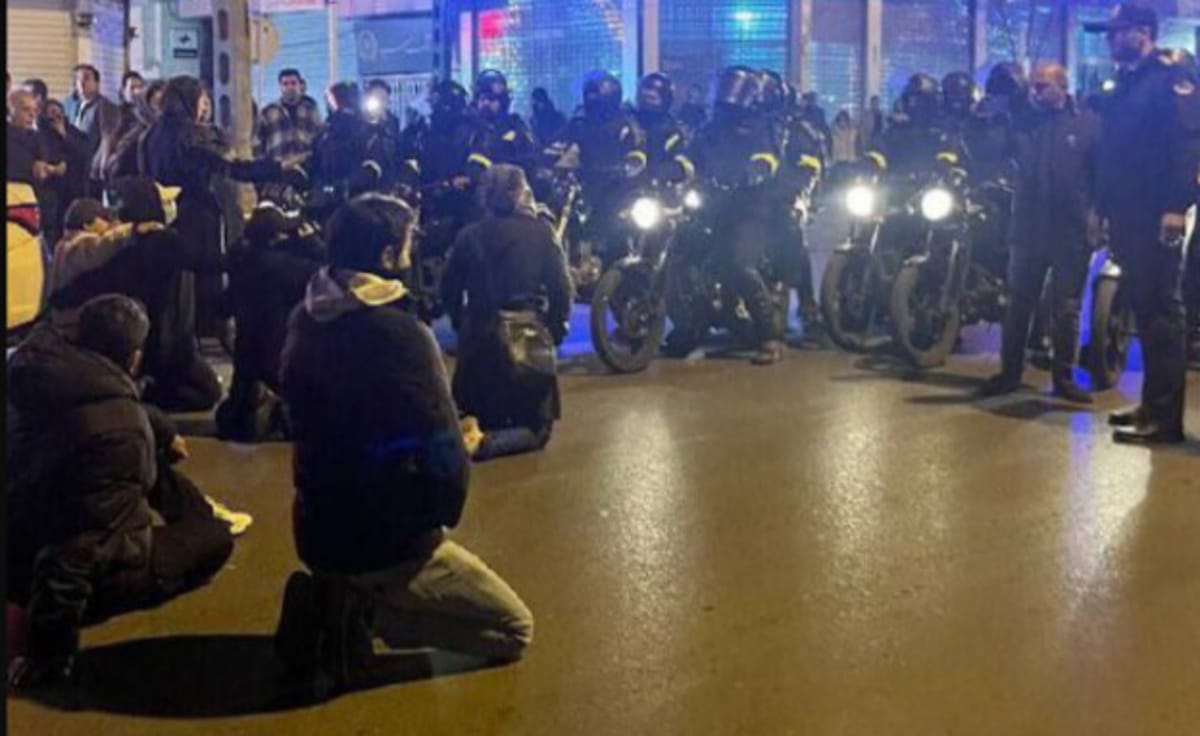
The Iranian regime has launched a massive psychological warfare campaign against its own citizens, broadcasting nearly 100 forced confessions over the last two weeks alone. This surge in televised admissions of guilt is being characterized by the Human Rights Activists News Agency (HRANA) as an unprecedented escalation in the hard-line government's efforts to suppress dissent. These broadcasts typically feature detainees with blurred faces, accompanied by dramatic background music and displays of crude, homemade weapons. The footage is carefully edited to show protesters engaging in violence, while the detainees are forced to express remorse and point the finger at Israel and the United States as the instigators of the current war in the streets.
Legal experts and rights advocates state that these confessions are the product of severe psychological and physical torture. The primary purpose of extracting these statements is to provide a veneer of legitimacy for the regime to apply the death penalty in expedited trials. Skylar Thompson, a spokesperson for HRANA, noted that these rights violations compound upon one another to create horrific outcomes, describing it as a pattern the regime has implemented repeatedly. The scale of this current wave is staggering when compared to the 2022 protests following the death of Mahsa Amini, where 37 confessions were publicized over several weeks. In the current uprising, that number has reached 97 in just half the time.
The international community has long been aware of these tactics, with the European Parliament previously passing resolutions to denounce the use of intimidation and threats against family members to secure convictions. A United Nations report from 2014 highlighted that forced confessions were used in 70 percent of trials that lasted only a few minutes. This system contributed to a massive spike in state killings, with the UN finding that Iran executed 975 people in 2024, the highest number in nearly a decade. Very few of these executions were related to actual offenses such as espionage, despite the regime's claims.
Since the conclusion of the 12 day war with Israel and the United States, the executioners in Tehran have been busy, putting at least 12 people to death. The most recent case involved a man accused of spying for the Mossad, who confessed to the charges under what rights groups describe as clear duress. As the regime continues to use state media to blame its greatest foes for the domestic unrest, the true cost of the uprising remains devastating. Human rights organizations now estimate that between 12,000 and 20,000 people have been killed across the country, as the government continues to rely on a mix of bullets and staged confessions to maintain its grip on power.