Amid intense rivalries following the recent war with Israel and renewed international sanctions, Iranian hardliners have unveiled a new political organization: the New Islamic Civilization Party. The party held its founding congress in Tehran this past week, marking a concerted effort by conservative elements to solidify their control and advance a radical ideological agenda.
The new movement is spearheaded by prominent conservative figures. Headlining the inaugural event was firebrand cleric Alireza Panahian, a figure well-known for mobilizing conservative youth. He was joined by Yaser Jebraili, a former government strategist, economist Hossein Samsami, and cleric Hossein Mehdizadeh from the influential Mesbah Yazdi school.
According to reports, members of the new party elected a central council for a two-year term and announced ambitious plans for rapid expansion. These plans include establishing provincial offices across Iran and creating expert commissions dedicated to cadre training, strategic planning, and political outreach.
Preaching Revolution and Global Revival
At its ideological core, the New Islamic Civilization Party advocates for a global Islamic revival, actively calling on its followers to "build the ummah" through stringent discipline and obedience.
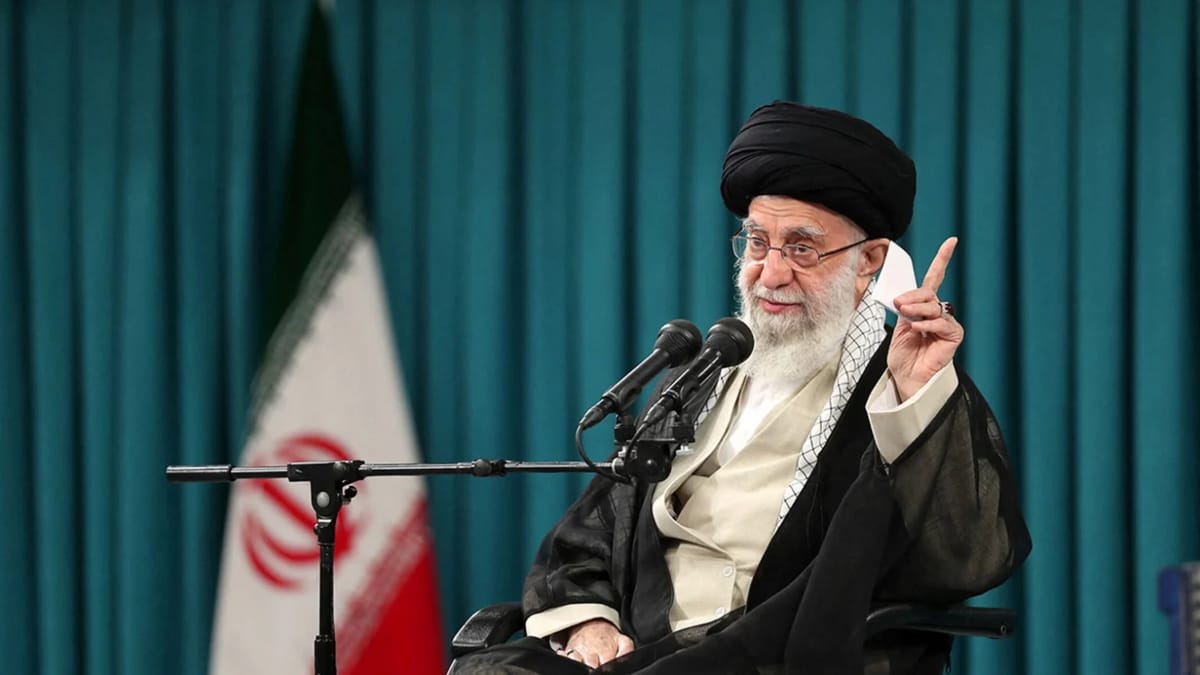
The party’s official literature is heavily rooted in the teachings of both Ayatollah Ali Khamenei, Iran’s current Supreme Leader, and Ayatollah Ruhollah Khomeini, the founder of the Islamic Republic in 1979. These two figures serve as the ideological foundation for the party's primary call for "revolutionary governance," which they envision as a system built on Islamic justice and unwavering resistance to Western influence.
In a move that highlights their hardline stance, leaders of the new party have already publicly opposed a proposal by Iran’s semi-official House of Parties to grant amnesty to security convicts, insisting that such powers belong exclusively to Supreme Leader Khamenei.
The establishment of this party comes as Iran faces internal pressures. Similar hardline movements already wield influence, including the Paydari (Steadfastness) Front in Parliament, which is known for rejecting reform and staunchly defending absolute clerical rule, and MASAF, a propaganda network that promotes confrontation with the West and glorifies martyrdom.
Officials have not yet confirmed the new party's formal registration status, and its sources of funding remain unclear.
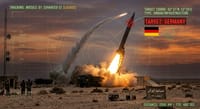
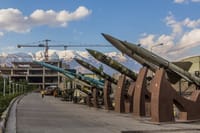
The launch follows a devastating period for Iran’s military infrastructure. During the 12-day war with Israel in June, the Iranian regime suffered extensive damage to key military and nuclear sites. Israeli air and missile strikes precisely targeted facilities in Natanz, Fordow, Isfahan, and western Tehran. Satellite imagery captured at the time showed the destruction of radar stations, weapons depots, and command centers, with several IRGC bases and air-defense batteries left severely damaged or in ruins.