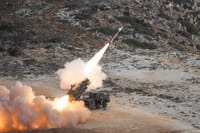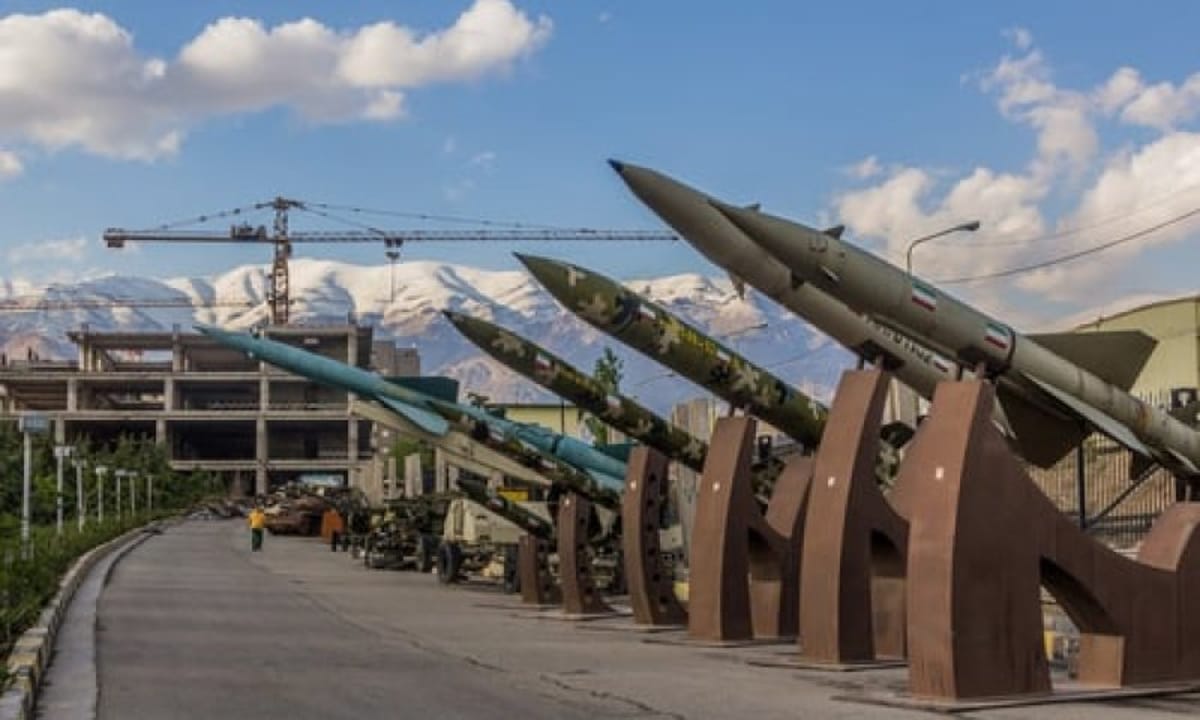
Since the beginning of the war, the Iranian regime has seen a massive reduction in its ability to launch ballistic missiles toward Israel. At the start of the engagement, Tehran was capable of firing more than 90 missiles a day, but recent data reveals that this number has plummeted to just 10 per day over the last week. This decline is the result of a relentless pursuit by the Israeli Air Force and intelligence branches, which have systematically hunted down both fixed and mobile launchers. Defense Minister Israel Katz has prioritized the achievement of total aerial superiority, allowing Israeli jets to conduct an effective "hunt" across Iranian territory, targeting fire arrays, regime sites, and the nuclear project.
Breaking the Fire Array
The successful degradation of Iran's missile capabilities is attributed to several key factors. First, the opening strike of the war, which saw 40 senior officials neutralized in just 40 seconds, dealt a crushing blow to the regime's command structure. Following this, waves of air strikes destroyed a significant percentage of the Guard's missile stockpiles and launchers. Furthermore, Israel has employed a strategy of "clogging" underground launch sites, targeting the entrances and even the bulldozers attempting to repair them. This persistent surveillance has prevented the regime from utilizing its extensive network of hardened silos buried deep beneath the earth.
The most challenging part of the mission has been the "mobile launcher hunt." By tracking and destroying individual launch crews and their vehicles, the IDF has created a sense of chaos and paranoia within the Revolutionary Guard’s ranks. A senior Air Force officer noted that his teams are destroying one to two missile batteries every single day, describing the situation as a "war of wits" against an enemy attempting to conduct missile guerrilla warfare. As morale drops and resources dwindle, the Iranian leadership faces a dire dilemma regarding how many of their remaining missiles they can afford to fire, as they no longer have the capacity to manufacture new ones during the ongoing war.