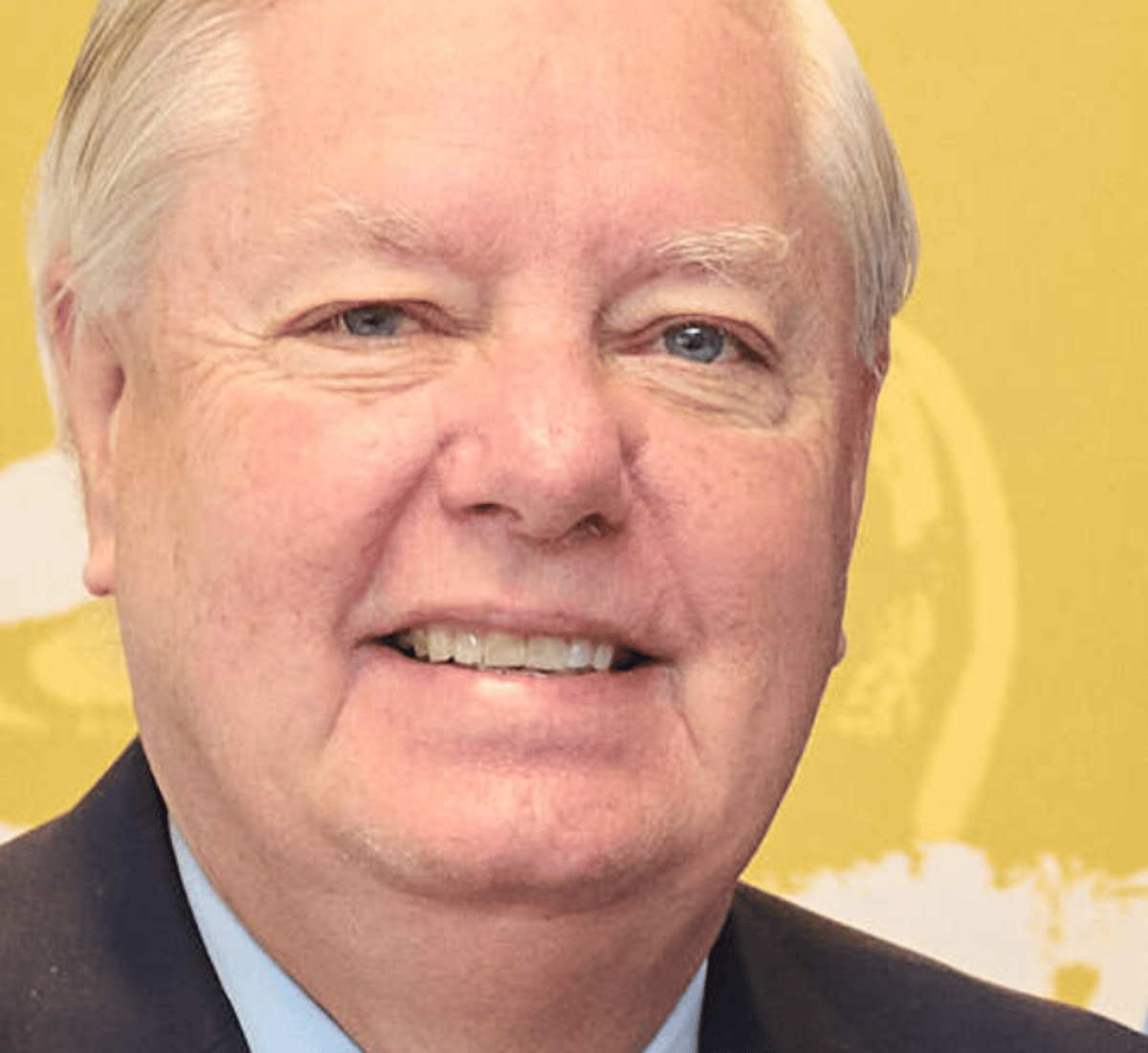
Senator Lindsey Graham, one of Washington's most vocal Iran hawks and a close Trump ally, is raising the alarm about the shape of any emerging deal to end the Iran war, warning it could hand Tehran a permanent stranglehold over the world's most critical oil artery and fundamentally reshape the balance of power in the Middle East to Israel's lasting detriment.
In remarks published Saturday as talks between Washington and Tehran moved toward a possible agreement, Graham laid out his concern in blunt terms: if a deal is struck because the US believes the Strait of Hormuz simply cannot be protected from Iranian pressure, and Iran retains the ability to devastate Gulf oil infrastructure, Tehran will emerge from the war as the dominant force in the region, one requiring diplomatic accommodation rather than military deterrence.
Graham's warning, in full
"This combination of Iran being perceived as having the ability to terrorize the Strait in perpetuity and the ability to inflict massive damage to Gulf oil infrastructure is a major shift of the balance of power in the region and over time will be a nightmare for Israel."
He added pointedly: "It also makes one wonder why the war started to begin with if these perceptions are accurate."
Graham stopped short of opposing a deal outright, but made clear he does not accept the premise that Iran's grip on the Strait is unbreakable. "I personally am a skeptic of the idea that Iran cannot be denied the ability to terrorize the Strait," he said, suggesting the US and its Gulf allies have more military leverage than the current negotiations imply. "It is important we get this right," he warned.
Graham's position - a shift in tone
Graham has been one of the most prominent Republican voices pushing Trump to resume military action throughout the war. On NBC's Meet the Press last week he called on Trump to strike Iran's energy infrastructure, its "soft underbelly," warning that "the longer the strait is closed, the stronger Iran gets." He also said the status quo is "hurting us all."
Earlier in the conflict, Graham had fully backed Trump's military approach, telling reporters after a phone call with the president that "a massive military operation awaits Iran if they choose poorly." His latest statement marks a notable pivot, from hawkish cheerleader to a critic warning that the diplomatic endgame may betray the war's original goals.
Graham's concerns echo those raised in Jerusalem, where Israeli officials have watched the US-Iran negotiations with growing alarm, particularly over reports that the ballistic missile programme, which poses a direct threat to Israel, has been quietly dropped from the current round of talks. Secretary of State Marco Rubio, meanwhile, repeated the administration's official criteria for a deal: no Iranian nuclear weapon, no tolls on the Strait, and the surrender of enriched uranium. "This problem will be solved, as the president's made clear, one way or the other," Rubio said.